
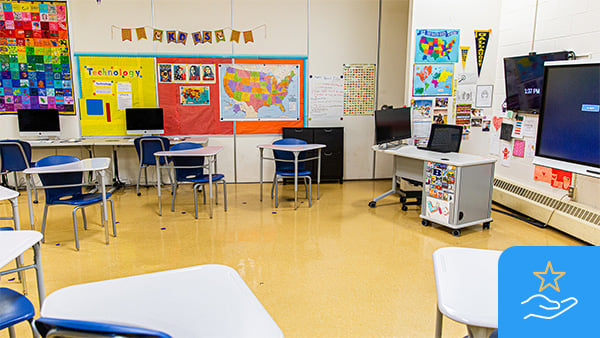
Classroom Environment Administrator Walkthrough Checklist
A walkthrough tool administrators use to observe whether classrooms give deaf and hard of hearing students clear visual access, real ASL and English use, Deaf culture, and an inclusive climate.
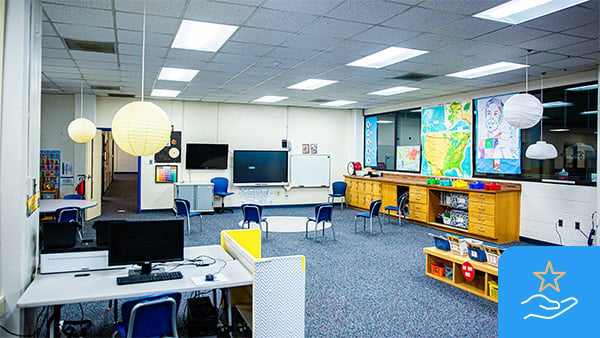
Classroom Environment Teacher Checklist
A self-check teachers use to build a classroom with clear visual access, real ASL and English use, Deaf culture, a rich library, and a safe, inclusive climate for deaf and hard of hearing students.
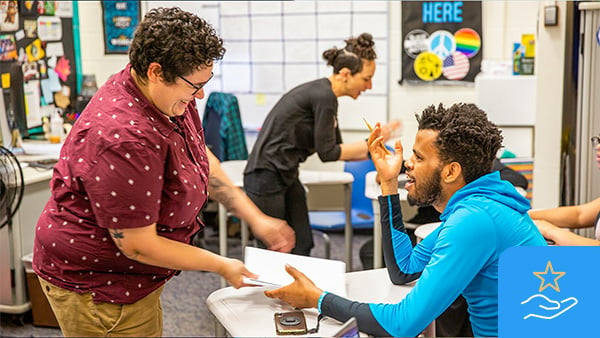
Classroom Environment Leadership Guide
A guide leaders use to spot schoolwide patterns and choose next steps for classroom environments, with recommendations matched to how far along a program is.
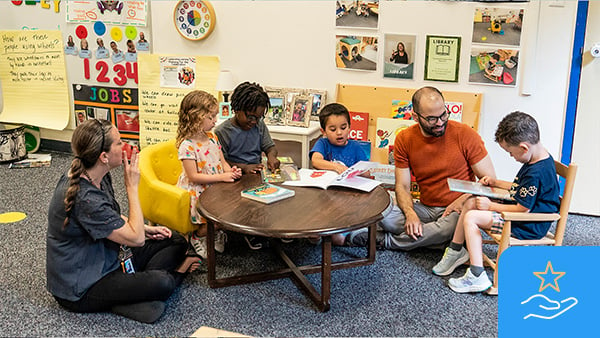
Classroom Environment Overview Tip Sheet
A tip sheet teachers use to understand the five parts of a strong ASL/English bilingual classroom and treat the room itself as a learning tool for deaf and hard of hearing students.
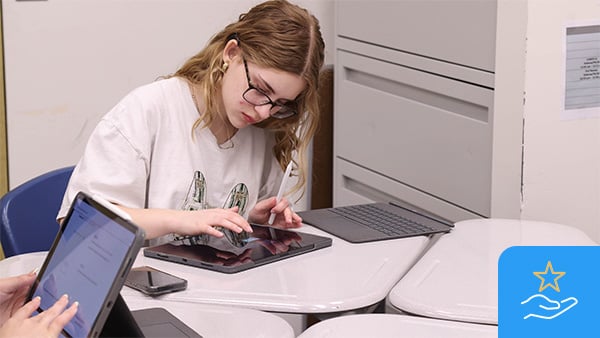
Instruction and Assessment Overview Tip Sheet
A tip sheet teams use as a quick reference for what strong ASL/English bilingual teaching and assessment look like across content areas and school settings.
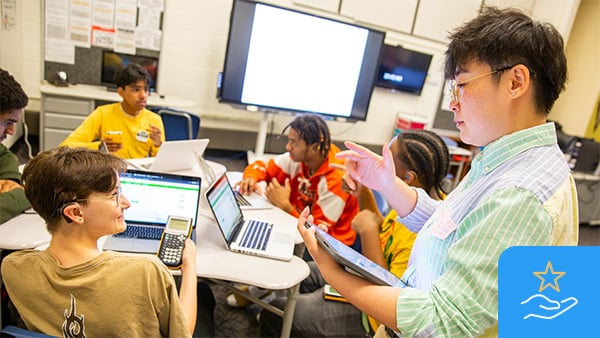
Instruction and Assessment Teacher Checklist
A self-check teachers use to reflect on their ASL/English bilingual instruction, differentiation, assessment, data use, and professional growth.
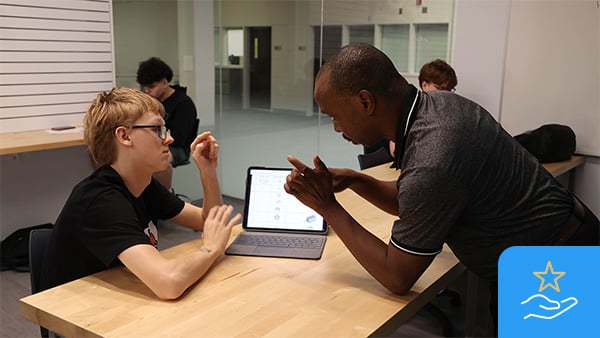
Instruction and Assessment Administrator Checklist
A flexible checklist administrators use for quick walkthroughs and coaching talks on ASL/English bilingual instruction, differentiation, assessment, and data use.
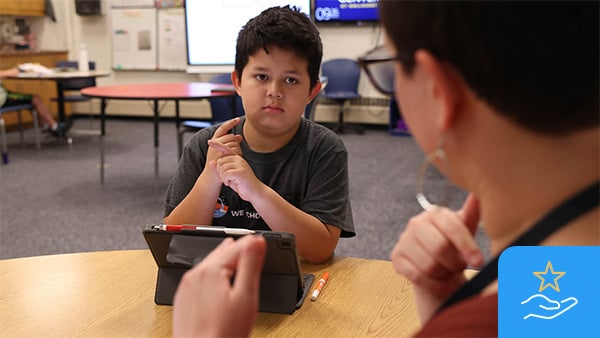
Instruction and Assessment Leadership Guide
A guide leaders use to see schoolwide patterns in ASL/English bilingual teaching and testing, then plan the coaching and professional learning that lift instruction for every learner.
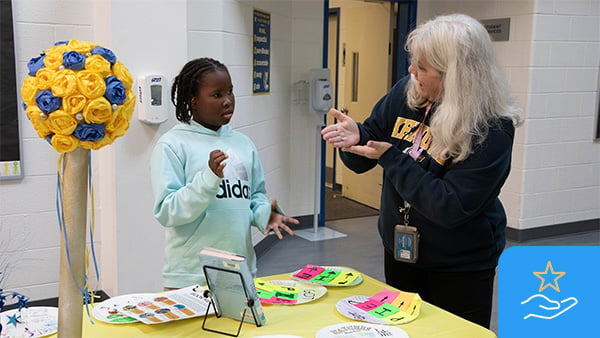
Deaf-Centered Practice Overview Tip Sheet
A tip sheet for spotting the marks of a school's Deaf-centered identity: Deaf role models, ASL, Deaf culture, community ties, and student leadership. Use it as a quick reference.
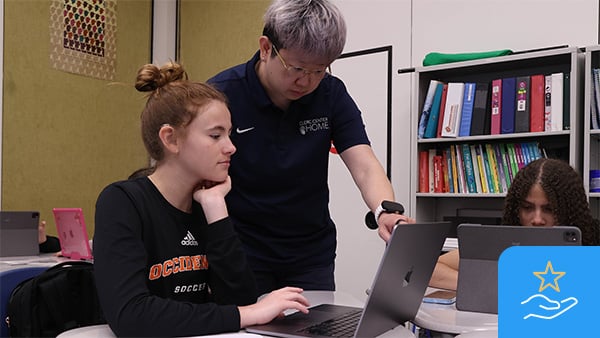
Program Identity: Deaf-Centered Practice Teacher Checklist
A self-check teachers use to bring Deaf-centered practice into daily lessons: Deaf role models, Deaf culture, ASL as a full language, community, and student leadership.
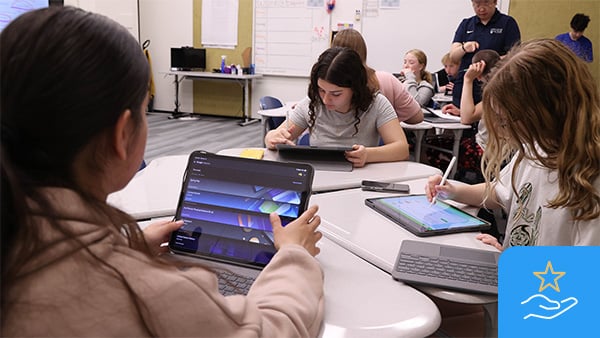
Program Identity Leadership Guide
A guide school leaders can use to strengthen their program's Deaf-centered identity, its Deaf role models, ASL use, and Deaf culture, with next steps for each stage of growth.
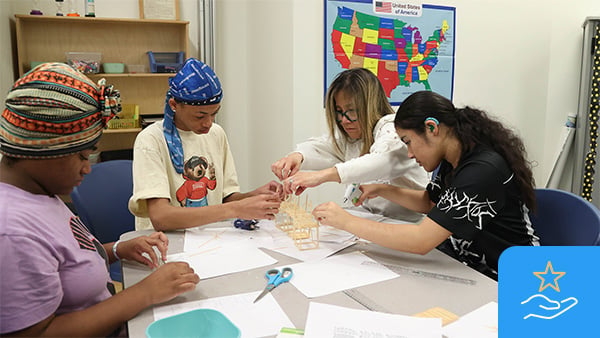
Program Identity Overview Tip Sheet for Deaf-Centered Schools
A tip sheet teams use to see what a strong Deaf-centered school identity looks like, from Deaf role models to ASL across the building to Deaf culture woven into daily life.
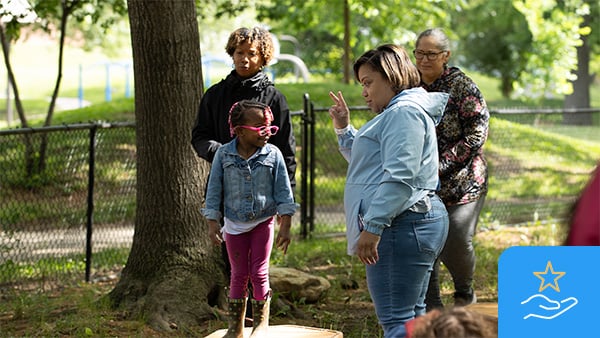
Family Involvement Administrator Checklist
A leadership checklist administrators use to monitor family partnership across the school: ASL classes, family empowerment, accessible communication, and home-school collaboration.
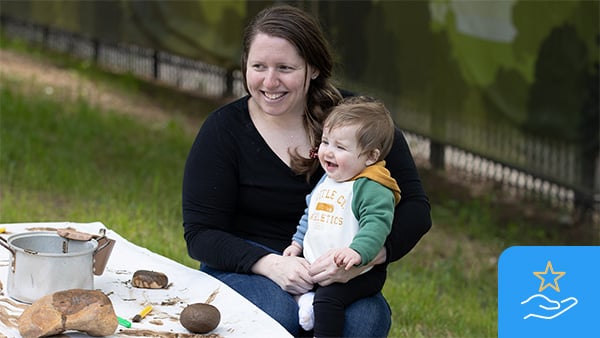
Family Involvement Overview Tip Sheet for Schools
A tip sheet teams use to see what strong family partnership looks like, from accessible communication and ASL classes to meaningful engagement and shared decision-making.
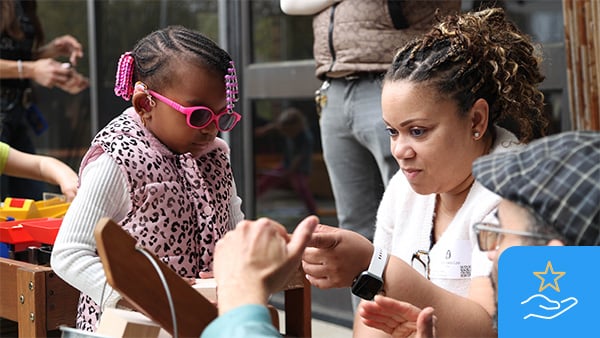
Family Involvement Teacher Self-Check Checklist
A self-check teachers use to reflect on how they support families' ASL learning and keep home-school communication proactive, accessible, and two-way.
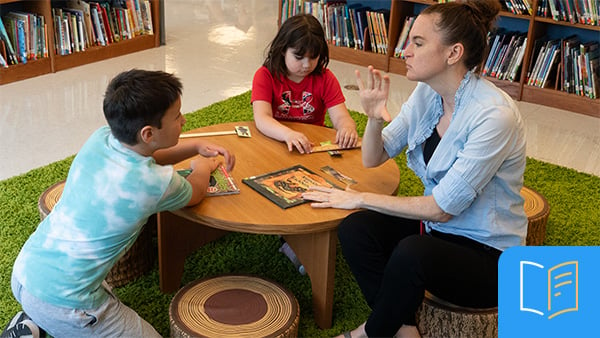
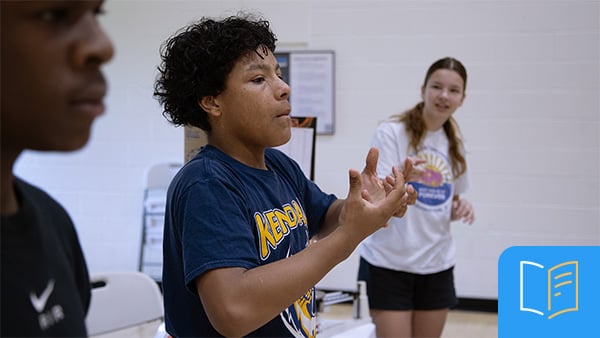
Elementary Sentence Bank: What Students Are Doing
A reference elementary teachers use to name what students do as they build ideas in ASL first, then move into English reading, writing, and discussion.
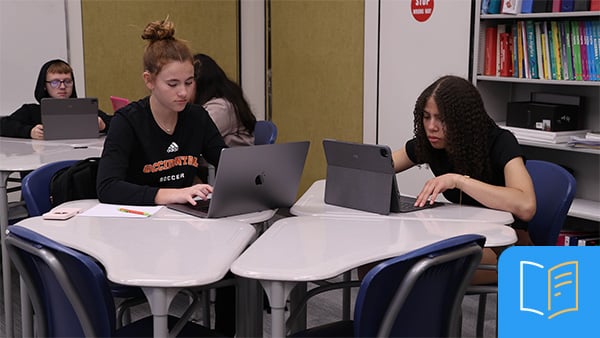
MS/HS Sentence Bank: What Students Are Doing
A reference middle and high school teachers use to name what students do as they build concepts in ASL and connect them to academic English reading and writing.
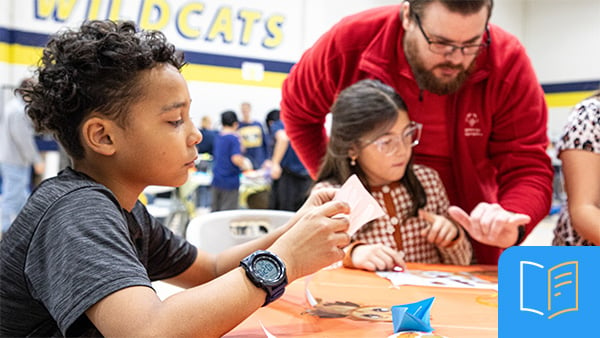
MS/HS ASL/English Bilingual Lesson Planning Template
A planning template middle and high school teachers use to decide, step by step, where ASL and where English lead each part of a lesson and how students show understanding.
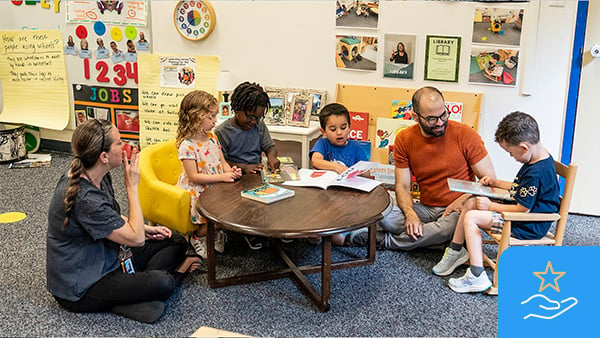
Elementary ASL/English Bilingual Lesson Planning Template
A planning template elementary teachers use to decide, step by step, where ASL and where English lead each part of a lesson and how young students show understanding.
Classroom Environment Research List
A reading list you can use to ground classroom-environment decisions in evidence, with studies on visual access, ASL/English instruction, and culturally sustaining practice.
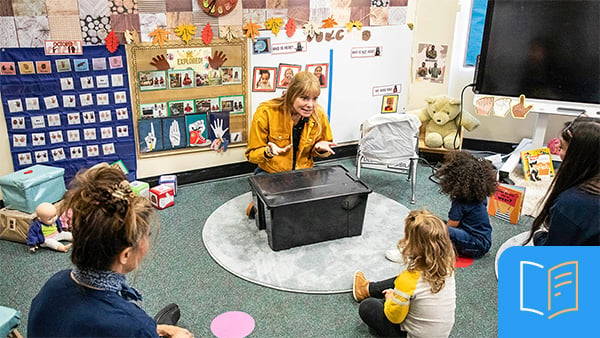
Classroom Library Checklist for Bilingual Programs
A checklist teachers use to build and review a classroom library that reflects Deaf lives and supports ASL and English reading across genres and reading levels.
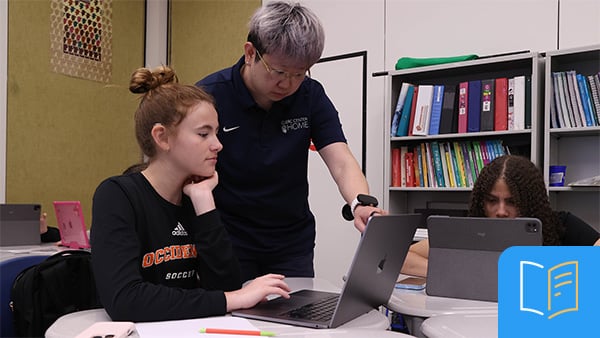
Teacher Observation Review Feedback Form
A form observers use to give teachers feedback on how they use instructional time, language, and language modeling in an ASL/English bilingual classroom.
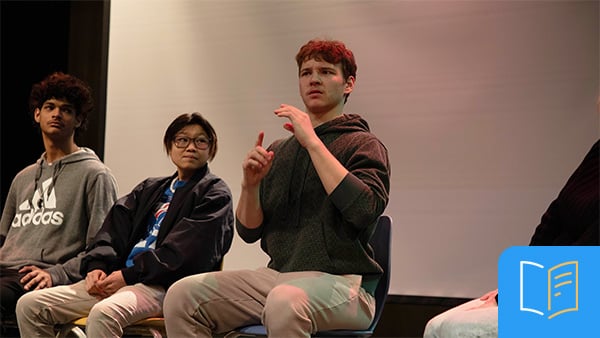
Student Leadership: Current Reality to Feasible Growth Activity
A team activity schools use to name the student leadership that exists today and choose realistic next steps to give students more real voice and responsibility.
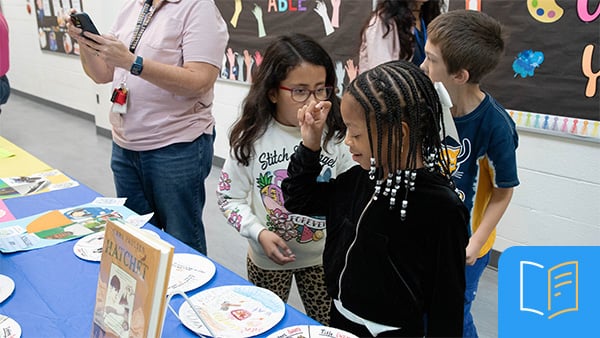
Student Leadership Activity Facilitator Cheat Sheet
A facilitator's cheat sheet used to lead the student leadership growth activity, with prompts, norms, and gentle redirects for each of its four steps.
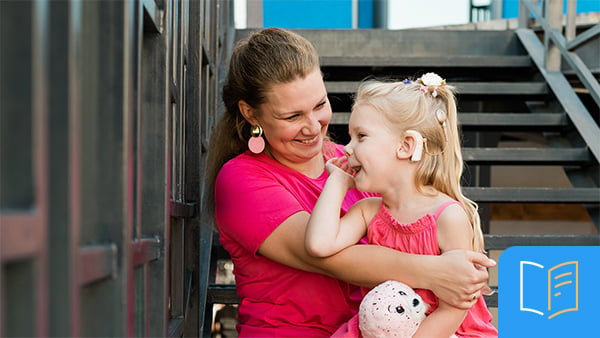
Family-to-Family Organizations Toolkit
A directory families and staff use to connect with national organizations that support deaf, hard of hearing, and DeafBlind children through family-to-family help and advocacy.
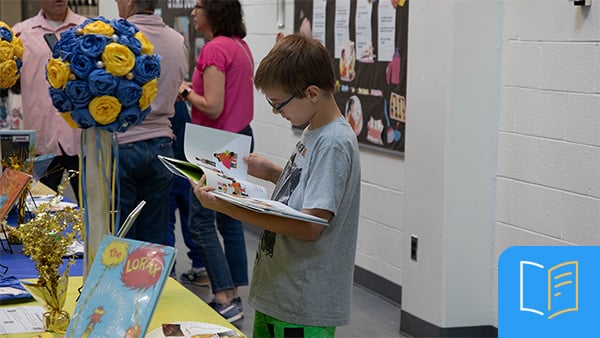
Program Identity: Deaf-Centered Practice Administrator Walkthrough Checklist
A walkthrough tool administrators use to see whether Deaf-centered practice shows up across the school, from role models and ASL use to student leadership.
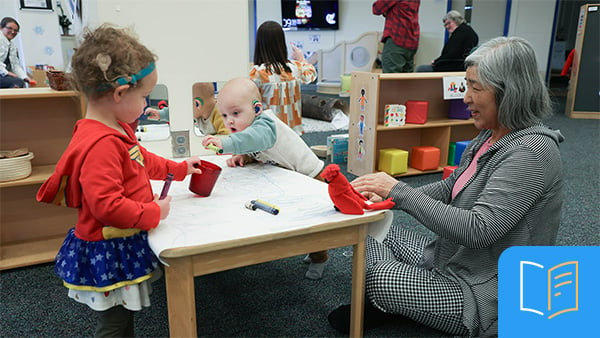
Classroom Library Reflection Checklist (Pre-K & Kindergarten)
A checklist early childhood teachers use to prepare a Pre-K and kindergarten library that supports ASL and English, identity, and joyful book sharing.
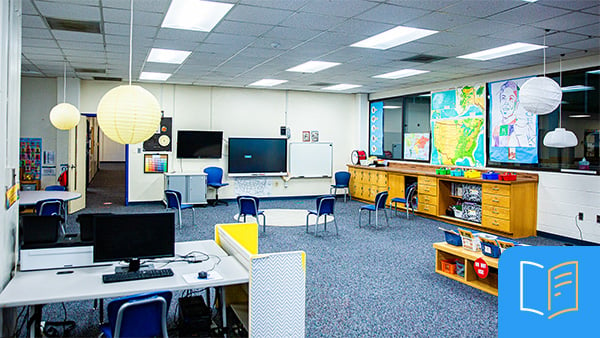
Classroom Library Reflection Checklist (Grades 1-5)
A checklist elementary teachers use to review a Grades 1-5 library that supports ASL and English reading, deaf and hard of hearing identity, and books children actually use.
Classroom Library Reflection Checklist (MS/HS)
A checklist middle and high school teachers use to strengthen a library that supports ASL/English literacy, critical thinking, and identity for adolescent deaf and hard of hearing readers.
Long-Range Planning Checklist for Bilingual Classrooms
A checklist teachers use to map out the school year, aligning standards, texts, language choices, and assessments so ASL/English bilingual learning builds with consistent access.
Leadership Role Guide: Language Planning in ASL/English Programs
A guide leaders use to make language planning a shared, program-wide practice, setting expectations for how ASL and English are used so student access does not depend on individual teachers.

Answer Key: When to Seek Deaf Experience (Training Activity)
An answer key facilitators use with a training activity, showing which school decisions truly need Deaf staff and community expertise, and why, so it is sought where it matters most.
School Climate Overview Tip Sheet
A tip sheet staff use to recognize the marks of a strong ASL/English school climate: consistent access, respect and inclusion, Deaf expertise, and clear leadership.
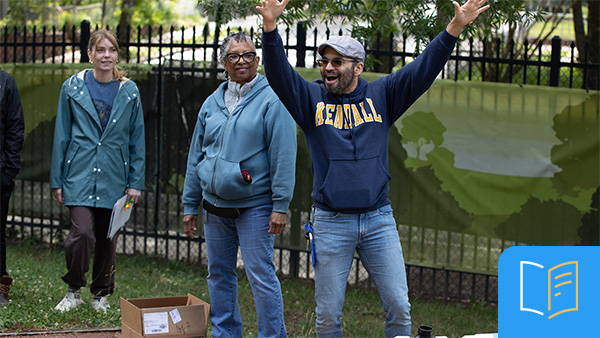
School Climate Leadership Team Reflection Worksheet
A worksheet leadership teams use together to rate their current school climate, spot growth areas, and commit to concrete next actions, focused on systems rather than individuals.
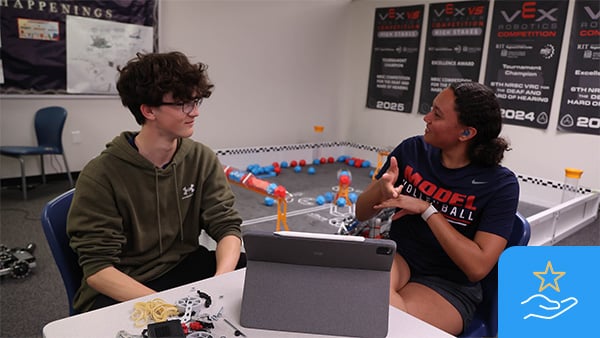
School Climate Research List
A reading list staff use to ground school-climate work in evidence, pointing to studies on belonging, Deaf and hard of hearing identity, communication access, and well-being for Deaf and hard of...
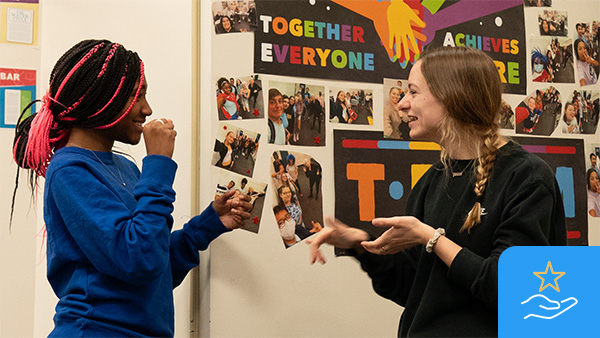
School Climate Teacher Checklist
A self-check teachers can use to reflect on communication access, respect and inclusion, honoring Deaf expertise, and their part in a strong ASL/English bilingual school climate.
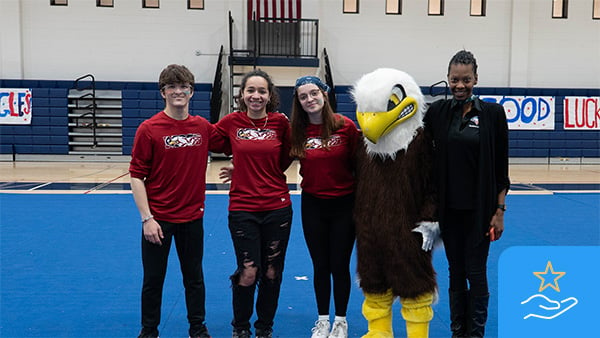
School Climate Administrator Checklist
A self-check school leaders use to review schoolwide communication access, respect and inclusion, meaningful Deaf involvement in decisions, and how they model a ASL/English bilingual climate.

School Climate Leadership Guide
A guide leaders use to assess schoolwide climate and take next steps by stage, with tailored moves for programs from emerging to exemplary based on program review ratings.
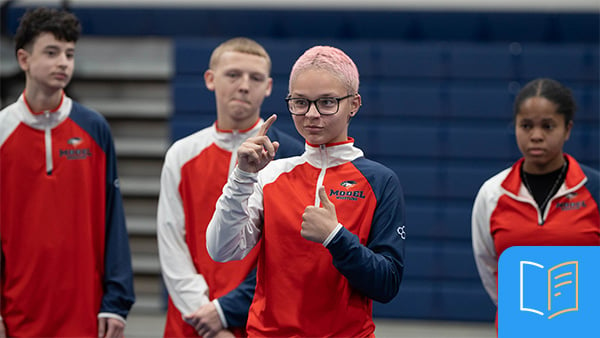
Deaf Experience Checklist for School Leaders
A checklist leaders use to spot the moments, across instruction, PD, hiring, events, and decisions, when Deaf staff and community expertise should be built in from the start.
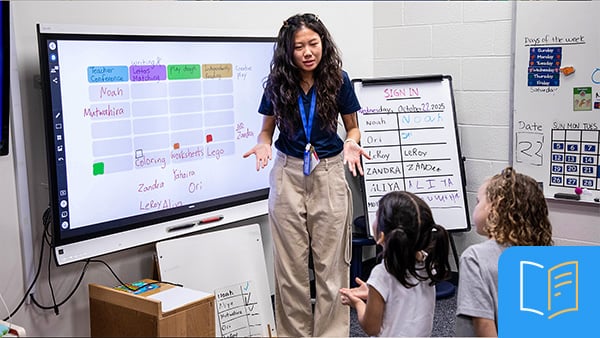
Language vs. Teaching Philosophy Comparison Chart
A one-page chart staff use to tell languages apart from the teaching approaches built around them, so ASL, English, and instructional methods are not confused with one another.
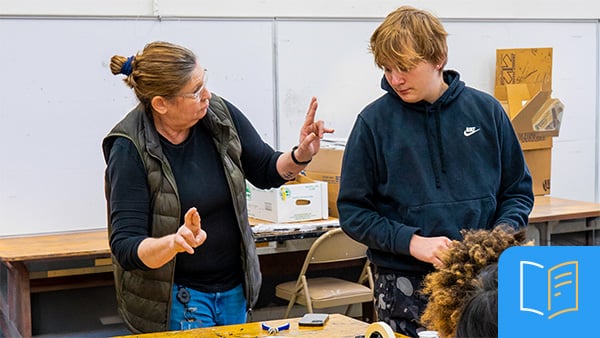
ASL–English Sandwiching Checklist
A checklist teachers use to plan and deliver sandwiching, a ASL/English bilingual technique of moving on purpose between ASL and English to build understanding, across a whole lesson.
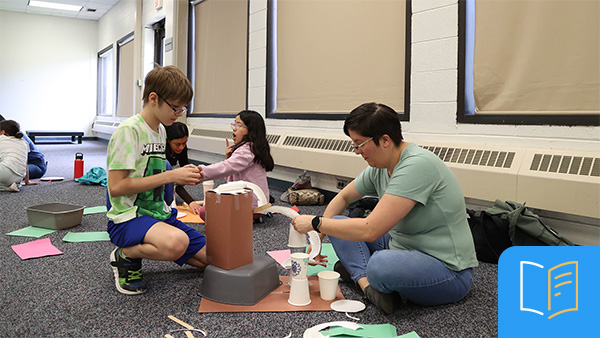
ASL–English Sandwiching Checklist, Grades K-2
A checklist K-2 teachers use to build a concept in ASL first, then connect it to the English word, then return to ASL, so young students anchor meaning before print.
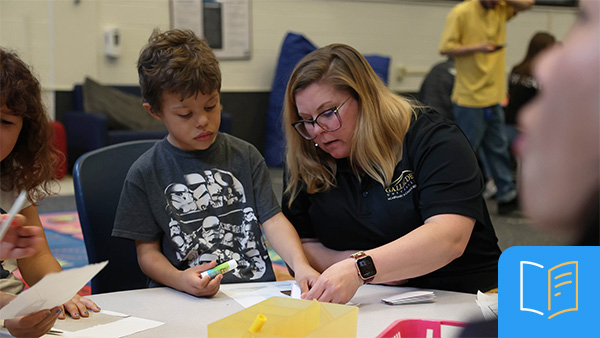
ASL–English Sandwiching Checklist, Grades 3-5
A checklist for grades 3-5 teachers to help students notice how ASL and English show the same idea differently, building early awareness of how the two languages work.
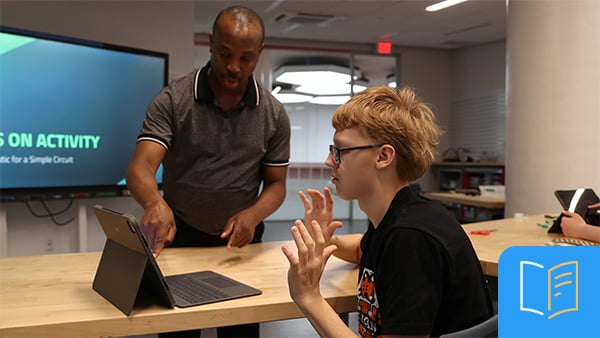
ASL–English Sandwiching Checklist, Grades 6-8
A checklist for grades 6-8 teachers to help students compare how ASL and English structure ideas and translate meaning, not word for word, as academic language grows more complex.
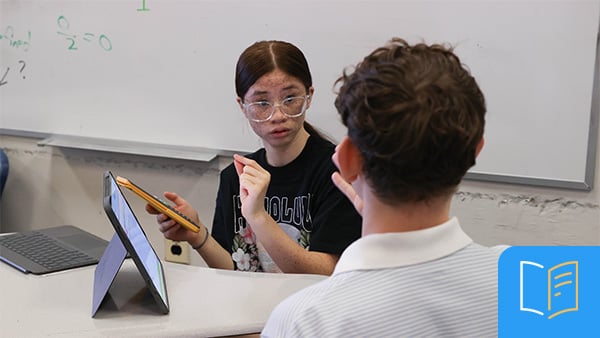
ASL–English Sandwiching Checklist, High School
A checklist high school teachers use to move students toward leading their own bridging between ASL and English, judging translation accuracy, and working as independent ASL/English bilingual...
What Not to Do: Ethical Use of Deaf Experience Tip Sheet
A tip sheet leaders use to avoid common missteps, such as tokenism, over-generalizing, or asking one person to speak for all, when drawing on Deaf staff and community expertise.
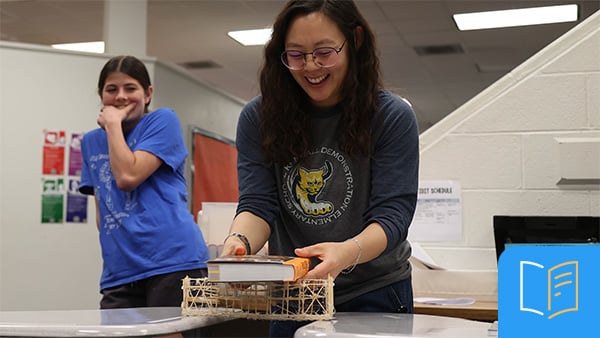
ASL–English Cross-Language Bridging Checklist, Grades 3-5
A quick checklist grades 3-5 teachers use in the moment to see whether students carry meaning between ASL and English and how much support they still need.
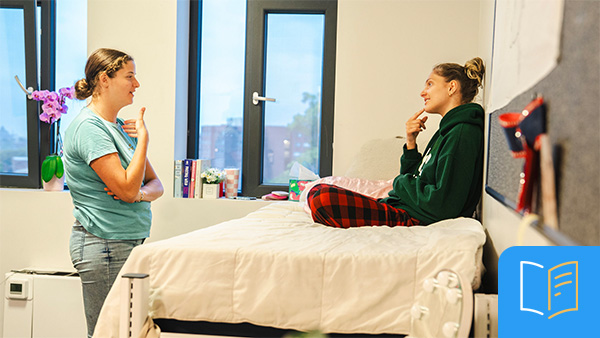
Student Life Dorm Environment Checklist
A checklist residential staff use to set up a dorm that is ASL/English bilingual, accessible, and welcoming, covering ASL and English access, the dorm library, and a home-like, safe space.
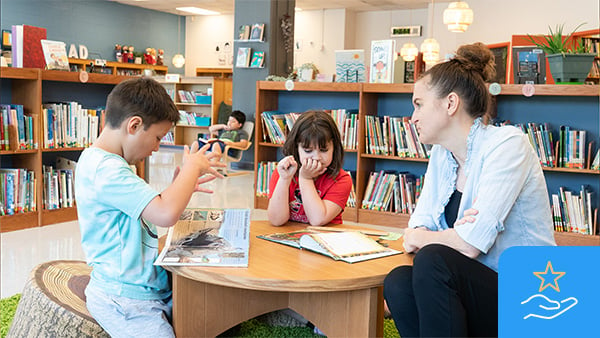
Transition & Self-Advocacy Teacher Checklist, PreK–K
A checklist PreK and kindergarten teachers use to build young children's independence, communication, and early self-advocacy: asking for help, taking turns, and expressing needs.
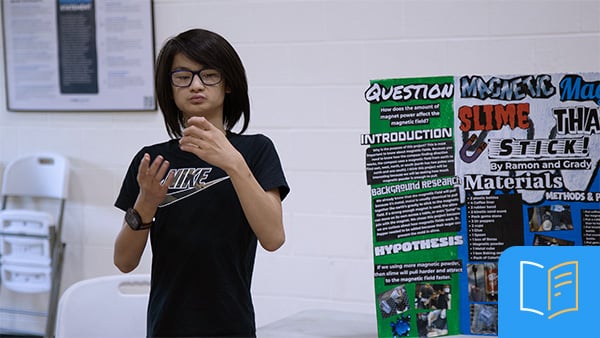
Anchor Charts Teacher Checklist
A checklist teachers use to design anchor charts, the reference posters built with students, so they are clear, accurate, accessible, and actually used to build independence.
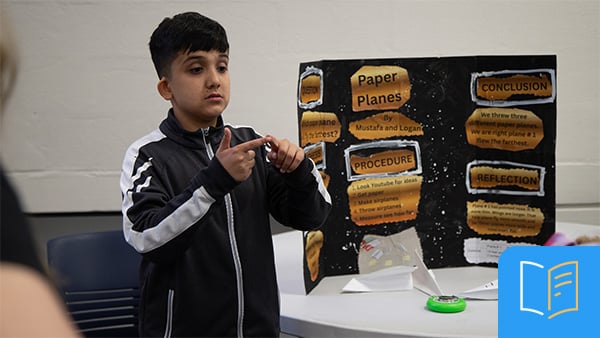
Anchor Chart Effectiveness Rubric
A rubric observers and coaches use to score how effective an anchor chart, a student-built reference poster, is across purpose, content, engagement, design, use, and longevity.
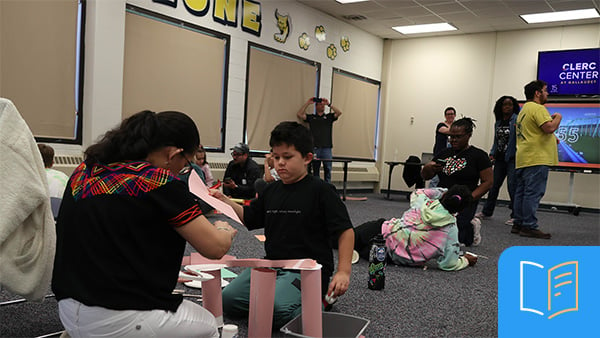
Anchor Chart Quick Look Walkthrough Tool
A short walkthrough tool administrators use during 5 to 10 minute classroom visits to note how anchor charts, student-built reference posters, are made and used.
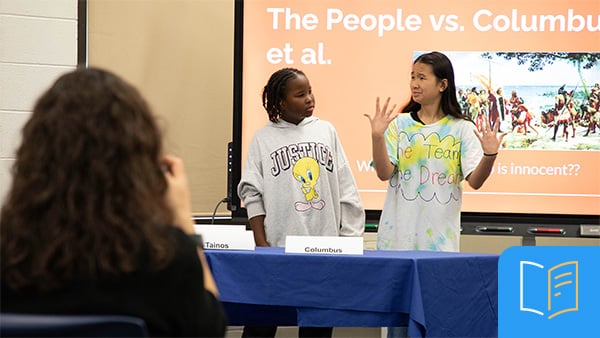
Creating Effective Anchor Charts Teacher Tip Sheet
A tip sheet teachers use when planning or revising anchor charts, student-built reference posters, so each one starts with purpose, is built with students, and stays a living tool.

Autonomy & Advocacy Program Reflection Checklist
A reflection checklist school teams use to gauge how well they teach students self-advocacy, independence, and how to request the access supports they need across grade levels.
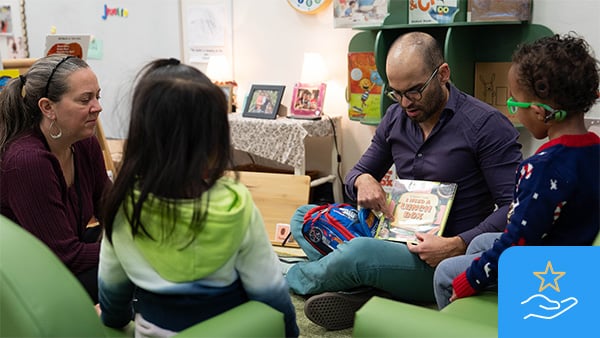
Transition & Self-Advocacy Administrator Walkthrough Checklist
A walkthrough checklist administrators use during classroom visits to see whether students are learning and practicing self-advocacy and how to ask for the access they need.

Leadership Self-Assessment and Reflection Rubric
A self-assessment rubric leaders use to reflect on their own practice across nine areas, from vision and follow-through to culturally grounded leadership that centers deaf and hard of hearing people.
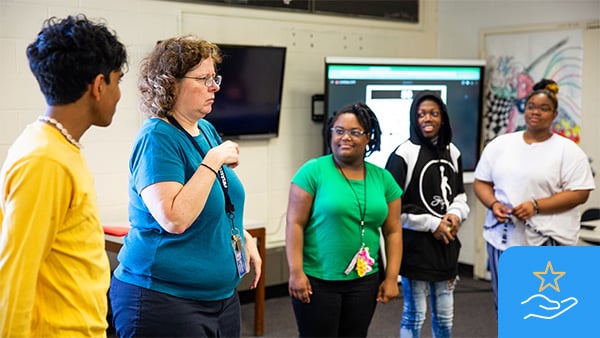
Related Services Administrator Checklist
A leadership checklist administrators use during program review to verify that support services such as counseling, speech, and therapy are fully staffed, ASL-accessible, and well coordinated.

Hosting ASL Classes for Families Planning Checklist
A planning checklist coordinators use to set up ASL classes for families, covering purpose, scheduling, space, instructors, childcare, budgeting, and outreach.

Family Communication Teacher Checklist
A checklist teachers use to keep family communication consistent and proactive all year, from a welcoming start through progress reports, mid-year check-ins, and raising concerns with care.
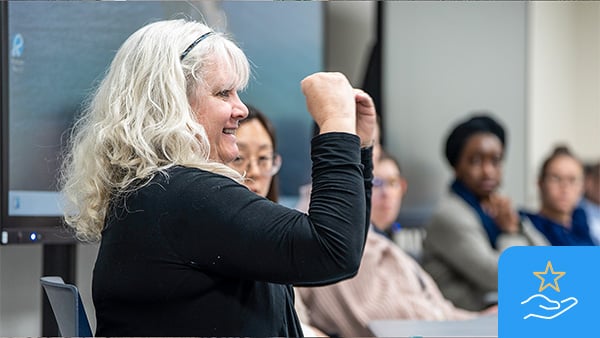
Related Services Overview Tip Sheet for Schools
A tip sheet staff use as a quick reference for what strong, ASL-accessible support services such as counseling, speech, and therapy look like across every school setting.

Service Provider Checklist for Related Services
A self-check related service providers use to reflect on ASL-direct delivery, language access, team collaboration, and how well their services fit each student's daily life and learning plan.
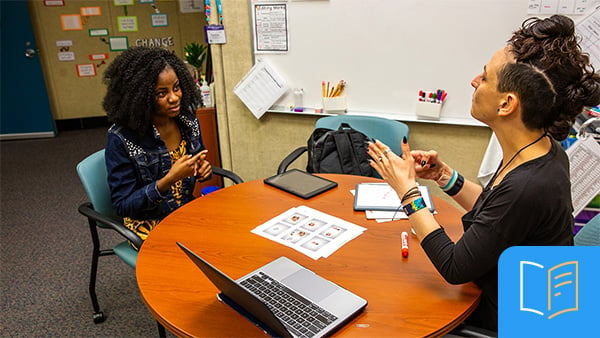
ASL/English Bilingual Instruction Administrator Walkthrough Checklist
A walkthrough checklist administrators use during class visits to capture evidence of intentional, accessible ASL/English bilingual instruction for a coaching conversation.
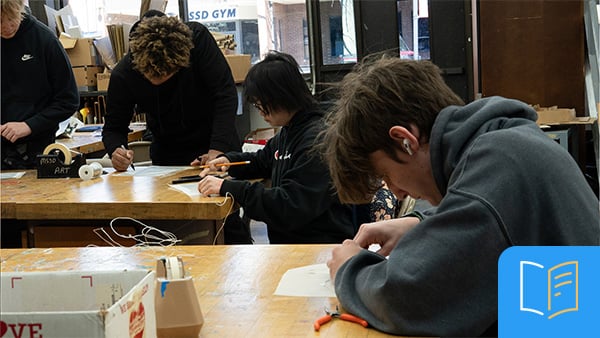
Differentiated Instruction Administrator Walkthrough Checklist
A walkthrough checklist administrators use during class visits to capture evidence that teaching is adjusted to reach diverse learners, ready for a coaching conversation.
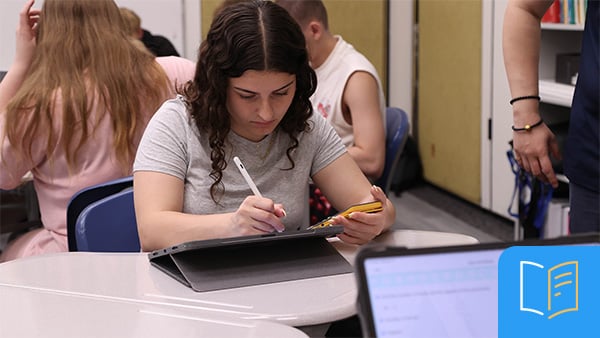
Assessment Practices Administrator Walkthrough Checklist
A walkthrough checklist administrators use during class visits to capture evidence of ongoing, ASL/English accessible assessment that guides day-to-day instruction.
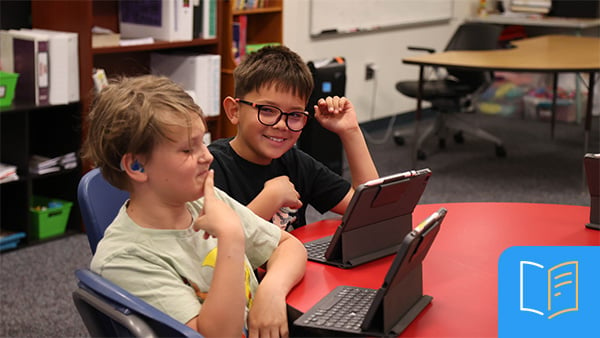
Data Use Administrator Walkthrough Checklist
A walkthrough checklist administrators use during class visits to capture evidence that teachers use ASL and English data to guide instruction and support students.
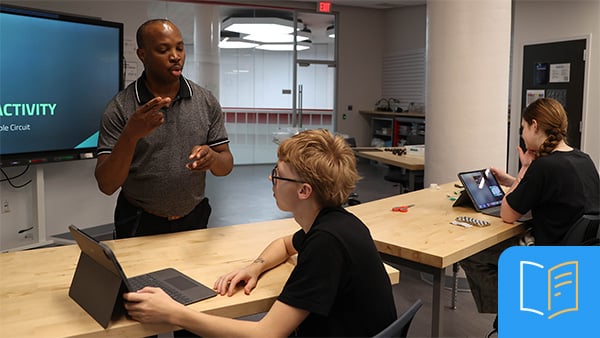
Professional Development and Reflection Administrator Walkthrough Checklist
A walkthrough checklist administrators use during class visits to see whether professional learning is showing up in teaching and improving student outcomes.

Family Involvement Leadership Guide for Schools
A guide leaders use to assess family partnership and move it from scattered efforts to one schoolwide system, with concrete next steps for every level of practice.
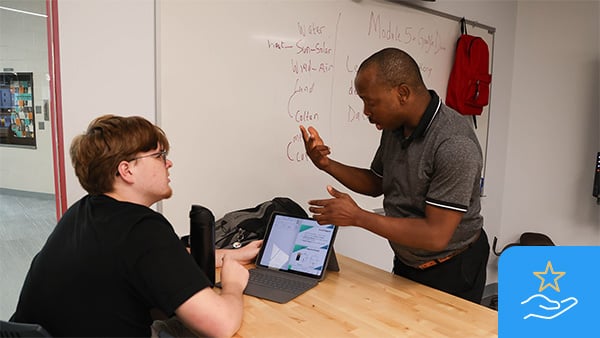
Program Identity Administrator Checklist
A checklist administrators use to monitor whether Deaf role models, Deaf culture, ASL use, and student leadership show up consistently across the whole school.
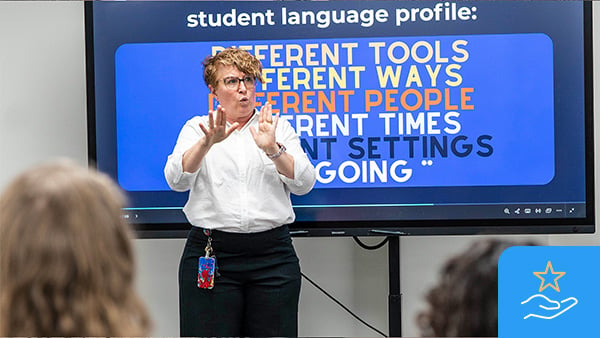
Related Services Leadership Guide
A guide leaders use to spot schoolwide patterns in specialist support services, then plan coaching that makes delivery consistent, ASL-accessible, and student-centered.
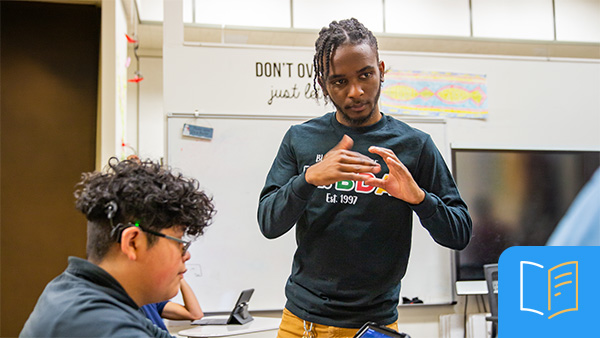
Student Self-Advocacy Check, Learner Version
A student-friendly self-check learners use to reflect on how they learn, how they ask for the access they need, and how they take part in decisions about their own goals.
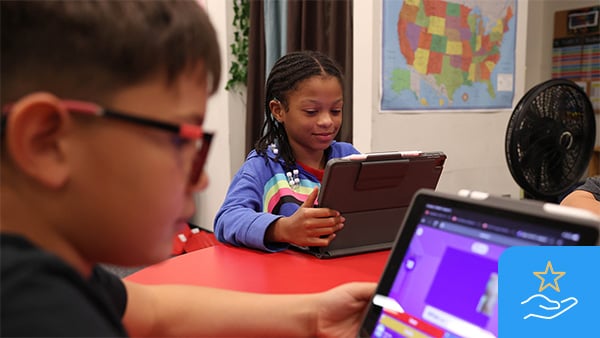
Transition Readiness Program Overview Tip Sheet
A tip sheet staff use as a quick reference for what strong transition practice looks like, building the independence, advocacy, and autonomy deaf and hard of hearing students need.
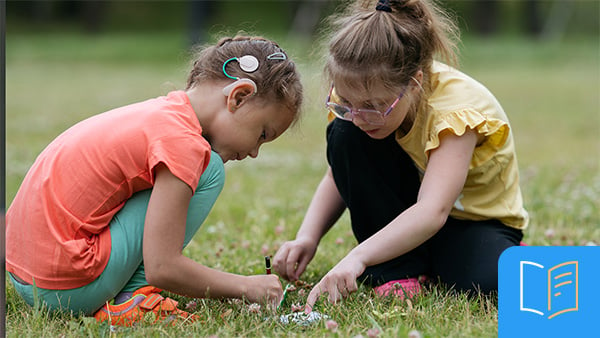
Family Tip Sheet: Supporting Independence and Self-Advocacy
A tip sheet families use to build independence and self-advocacy at home, with everyday ways to let a child express needs, make choices, and ask for the access they need.
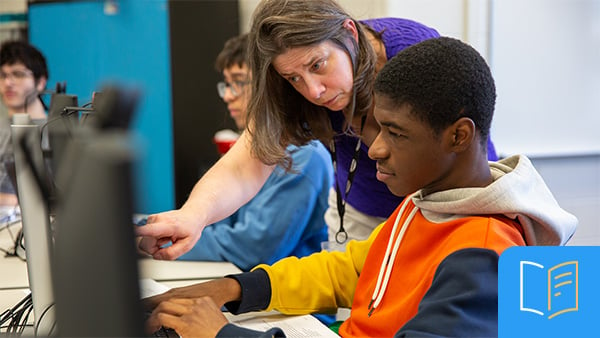
Chaining: Administrator Walkthrough Checklist
A walkthrough tool administrators use to observe chaining, a strategy that links a concept across ASL, fingerspelling, print, and visuals so students build deep, connected understanding.
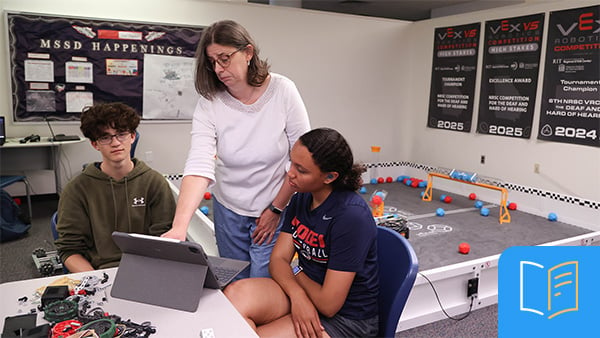
Free Translation: Administrator Walkthrough Checklist
A walkthrough tool administrators use to observe free translation, where students carry meaning across ASL and English by focusing on intent and clarity rather than word-for-word.
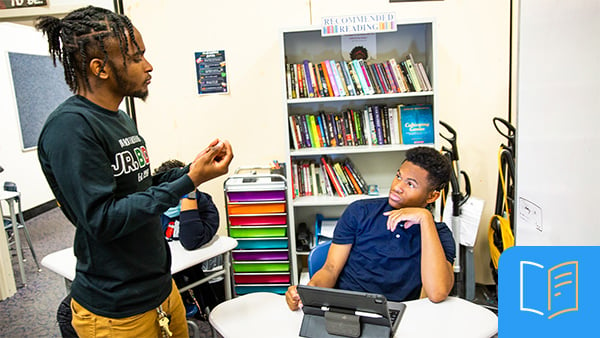
Chaining: Teacher Checklist
A checklist teachers use to plan and reflect on chaining, a strategy that links a concept across ASL, fingerspelling, print, and visuals to build deep, connected understanding.
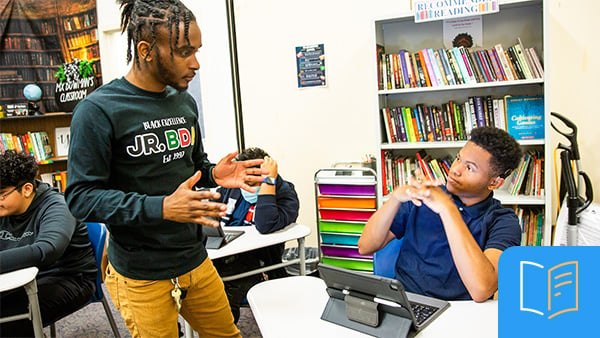
Free Translation: Teacher Checklist
A checklist teachers use to teach free translation, helping students carry meaning across ASL and English by focusing on intent and clarity rather than matching words.
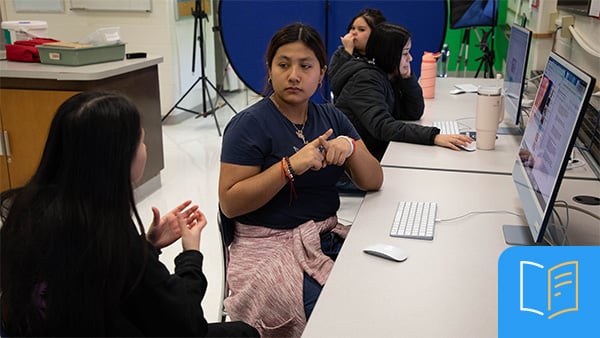
Literal Translation: Administrator Walkthrough Checklist
A walkthrough tool administrators use to observe literal translation, where students compare ASL and English directly to see how each language builds meaning through structure.
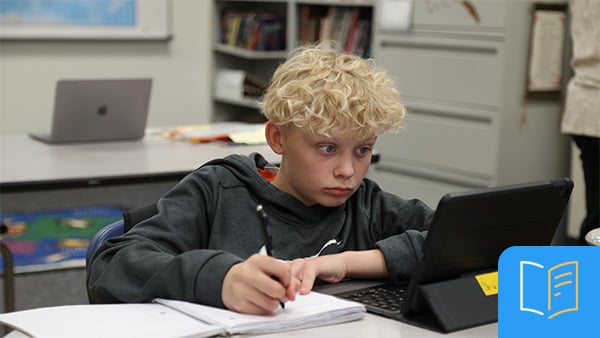
Literal Translation: Teacher Checklist
A checklist teachers use to guide literal translation, helping students compare ASL and English directly to notice how each language builds meaning through structure.

Sandwiching: Administrator Walkthrough Checklist
A walkthrough tool administrators use to observe sandwiching, where a teacher shows a concept in ASL, briefly gives the English word, then returns to ASL to connect meaning and print.
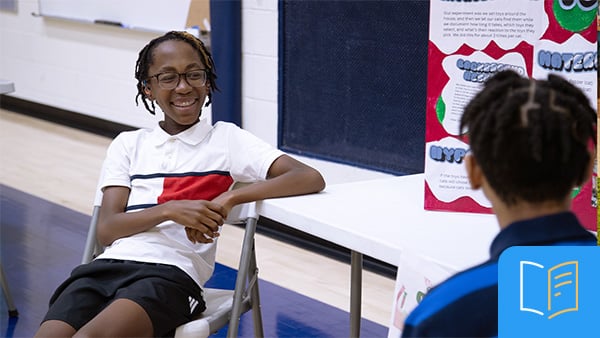
Sandwiching: Teacher Checklist
A checklist teachers use to apply sandwiching: show a concept in ASL, briefly give the English word, then return to ASL to connect meaning and print at the word level.
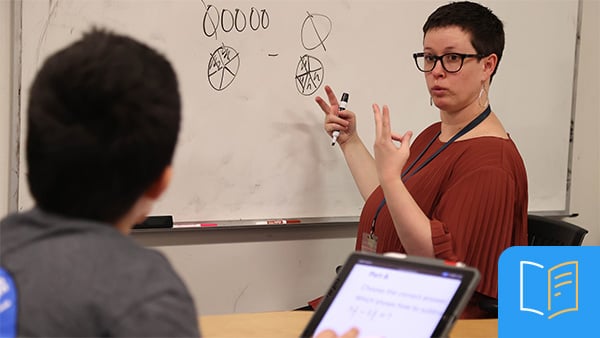
Teacher Reflection Checklist: Transition and Self-Advocacy in Practice
A reflection checklist teachers use to examine how independence, self-advocacy, and access advocacy show up in their daily instruction and classroom routines.
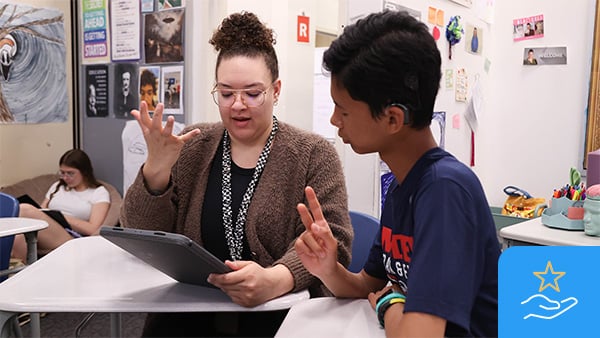
Language Use Overview Tip Sheet
A tip sheet staff use as a quick reference for what intentional, planned ASL and English use looks like across every classroom, dorm, and shared space in a ASL/English bilingual program.
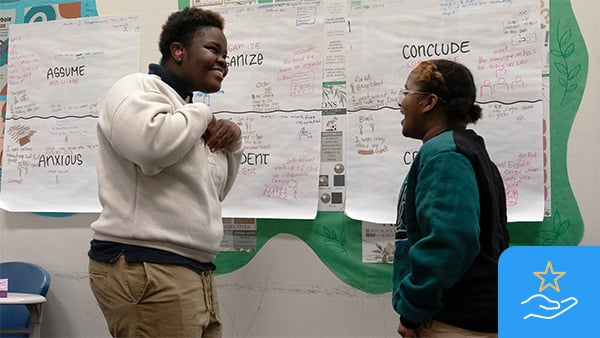
Language Use Administrator Checklist
A checklist administrators use to monitor whether ASL and English are used intentionally and consistently across classrooms, dorms, and shared spaces schoolwide.
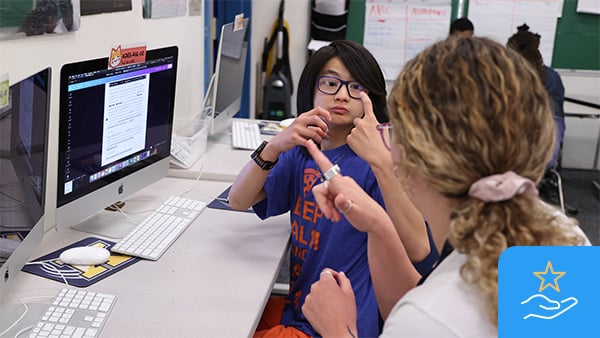
Language Use Teacher Checklist
A checklist teachers use while planning and reflecting to make sure ASL and English are used deliberately, accessibly, and in response to every student's needs.
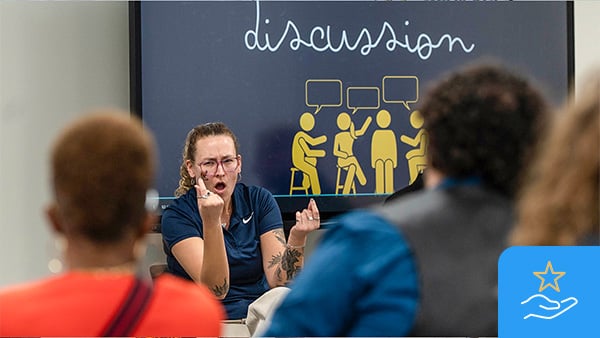
Language Use Leadership Guide
A guide leaders use to assess language-use systems, spot patterns across settings, and strengthen consistent, intentional ASL and English practice across the whole school.
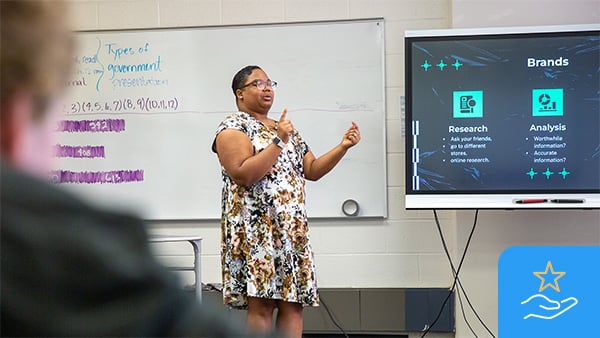
ASL/English Curriculum Overview Tip Sheet
A tip sheet you can use to recognize strong ASL/English bilingual curriculum across content areas, from standards alignment to Deaf culture and accessibility.
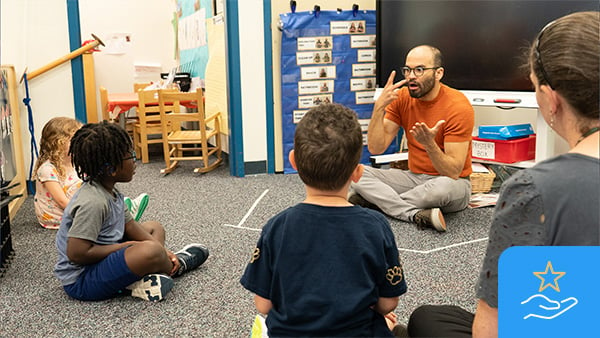
Curriculum Teacher Checklist
A checklist teachers use when selecting and adapting materials to keep them aligned, accessible, ASL/English bilingual, and reflective of Deaf perspectives for every learner.
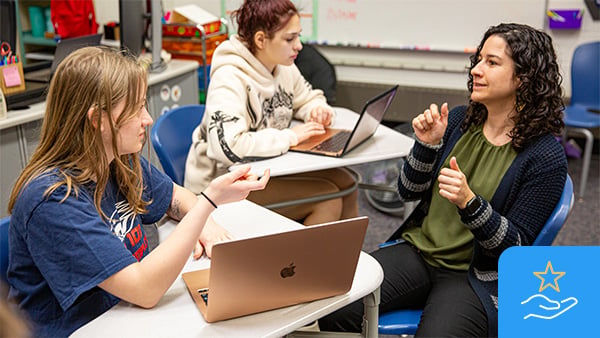
Curriculum Administrator Checklist
A checklist administrators use to review materials across the program and spot patterns, gaps, and next steps in alignment, access, and ASL/English bilingual content that reflects Deaf culture and...
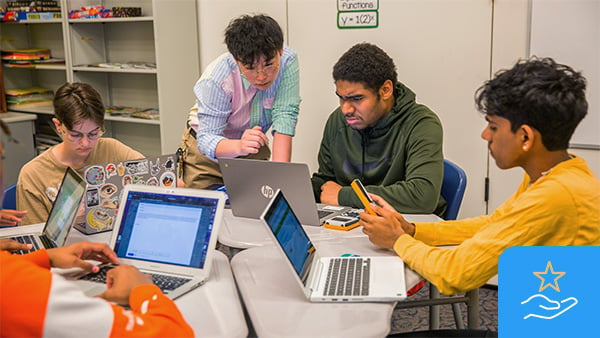
Instructional Technology Administrator Checklist
A checklist administrators use to review technology across the program, checking that it is accessible, well integrated, and advancing ASL and English ASL/English bilingual learning.
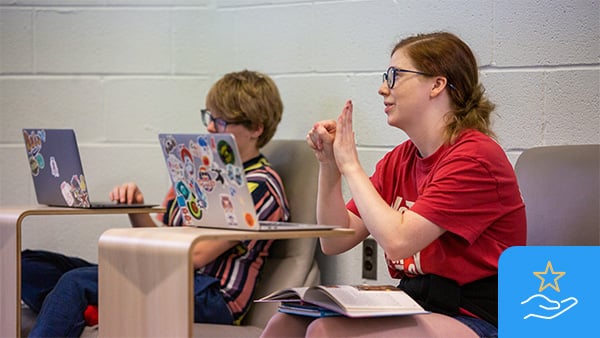
Instructional Technology Teacher Checklist
A checklist teachers use before, during, and after a lesson to make sure technology strengthens access, engagement, and ASL and English ASL/English bilingual learning.
Student Life Staff Checklist for Residential and After-School Programming
A checklist student life staff use to plan and reflect on residential and after-school activities so they are purposeful, developmentally right, and full of direct ASL communication.
Student Life Programming Administrator Checklist
A checklist administrators use to review the quality, variety, and design of student life activities and spot gaps in choice, engagement, and transition readiness.
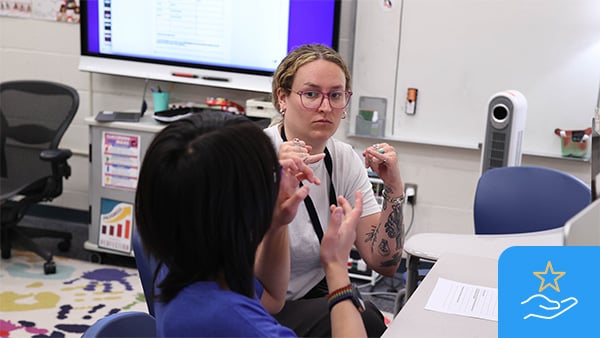
Related Services Research List
A reading list educators can use to ground related-services decisions in evidence: ASL-fluent delivery, culturally responsive practice, and team collaboration for deaf and hard of hearing students.
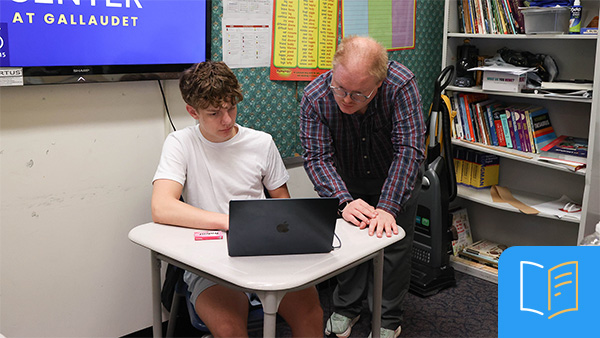
Administrator Walkthrough Form (ASL/English): Consultation and Collaboration
A walkthrough form administrators use to observe how itinerant teachers of the deaf coach the wider team on communication access, ASL/English bilingual supports, and student inclusion.
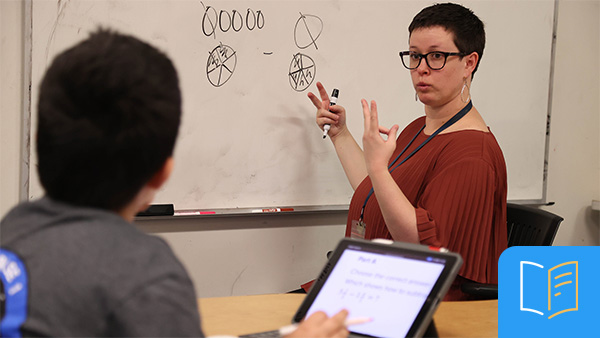
Administrator Walkthrough Form (ASL/English): Student Outcomes - Transfer, Identity, and Inclusion
A walkthrough form administrators use to observe how well a deaf or hard of hearing student applies skills across settings, grows a confident deaf and hard of hearing identity, and belongs in the...
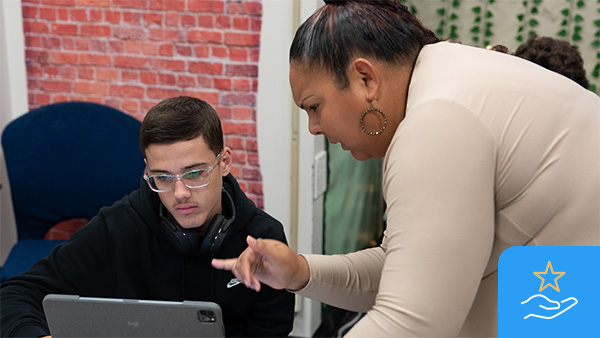
Administrator Walkthrough Form (ASL/English): Direct Instruction
A walkthrough form administrators use to observe itinerant teacher of the deaf sessions and give feedback on ASL/English instruction, language modeling, and student access.
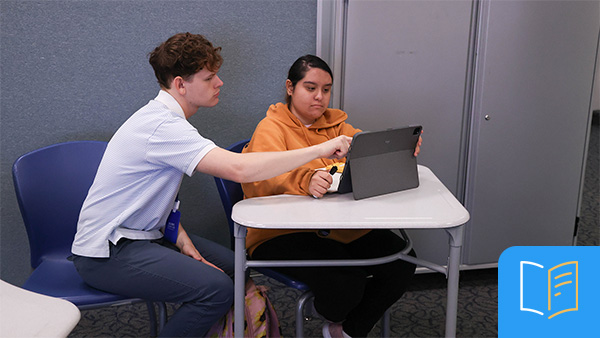
Administrator Walkthrough Form (Spoken English): Student Outcomes - Transfer, Identity, and Inclusion
A walkthrough form administrators use to observe how a deaf or hard of hearing student in a spoken-language program applies skills, builds identity and confidence, and belongs.

Teacher Checklist (ASL/English): Direct Instruction
A self-check itinerant teachers of the deaf use to reflect on their ASL/English instruction, language modeling, literacy support, self-advocacy teaching, and IEP goals.
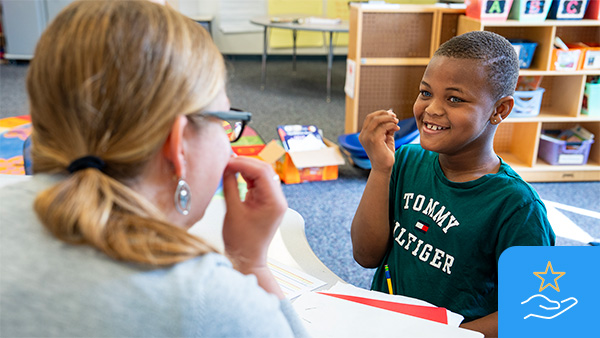
Teacher Checklist (Spoken English): Direct Instruction
A self-check itinerant teachers of the deaf use to reflect on spoken-language instruction, listening development, academic support, self-advocacy teaching, and IEP goals.
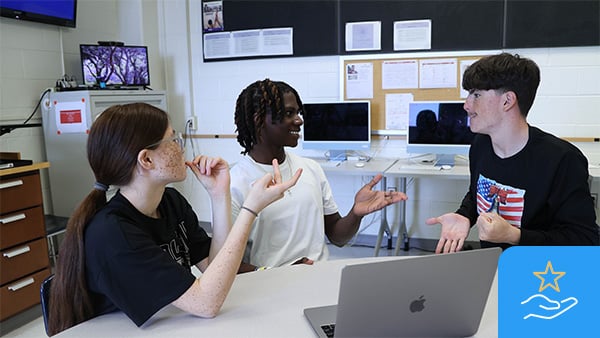
Language Use Research List
A reading list educators can use to ground language-use planning in evidence on ASL/English Bilingualism, the critical period for language, and how deaf and hard of hearing students learn.
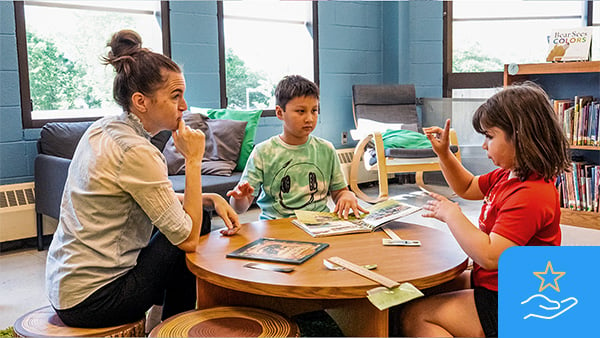
Curriculum Research List
A reading list educators can use to ground curriculum decisions in evidence on ASL/English bilingual instruction, literacy, and how the two languages support each other.
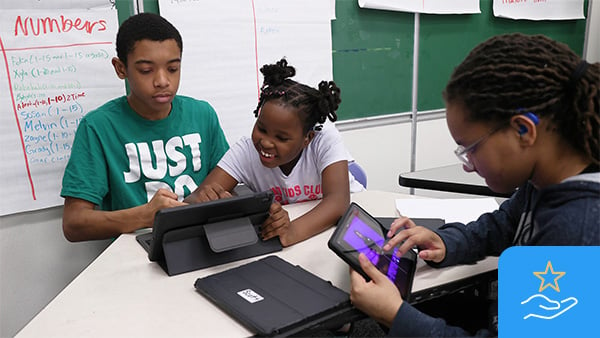
Instructional Technology Research List
A reading list educators can use to ground technology choices in evidence on how purposeful tools expand access, communication, and learning for deaf and hard of hearing students.
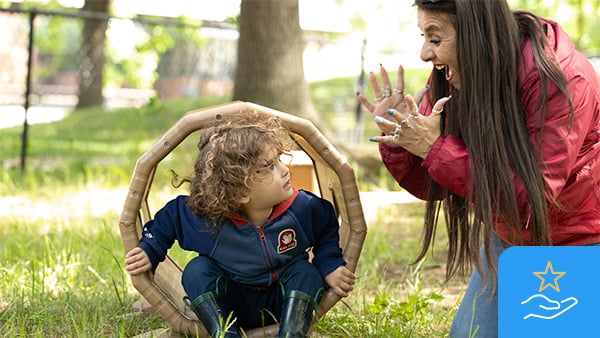
Family Involvement Research List
A reading list educators and families can use to ground family-school partnership work in evidence on language access, early language, and engagement for deaf and hard of hearing children.

Student Life Research List
A reading list educators can use to ground student life programming in evidence on identity, social engagement, school setting, and belonging for deaf and hard of hearing students.
Program Identity Research List
A reading list leaders can use to ground a school's Deaf-centered character in evidence on language, culture, community, and child development.
Classroom Environment Research List
A reading list educators can use to ground classroom setup in evidence on visual access, ASL/English instruction, culturally sustaining practice, and literacy-rich spaces.
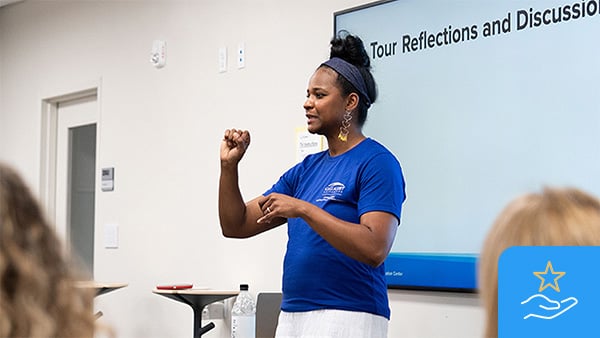
Leadership Tip Sheet (ASL/English)
A tip sheet leaders use to see how strong leadership sustains an ASL/English vision across policy, instruction, culture, accountability, and resources.
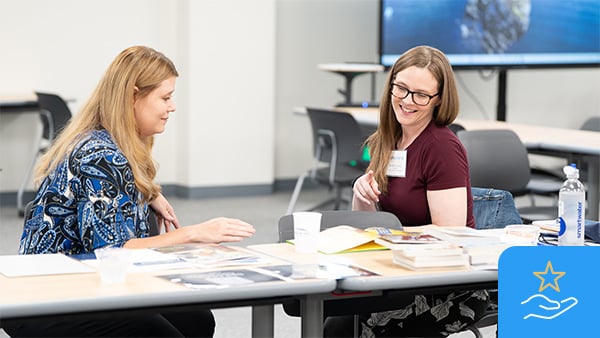
Leadership Team Self-Assessment Checklist (ASL/English)
A self-assessment leadership teams use to gauge how well their program reflects strong ASL/English bilingual leadership and to prioritize next steps.
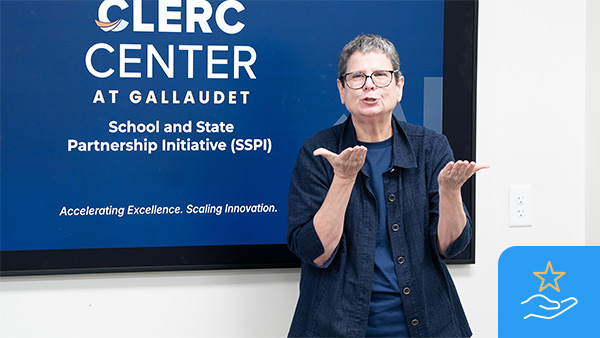
Leadership Guide (ASL/English Bilingual Program)
A reflective guide leadership teams use to align vision, systems, instruction, accountability, and culture and to plan improvements by how developed the program is.
ASL/English School Climate Research List
A reading list you can use to ground school-climate decisions in evidence, covering belonging, identity, peer relationships, and language access for deaf and hard of hearing students.
Paraprofessional Overview Tip Sheet
A tip sheet paraprofessionals use to reflect on their role across seven areas of effective practice, from language modeling to collaboration and building belonging.
Paraprofessional Effectiveness Leadership Guide
A reflective guide leaders use to assess paraprofessional practice, guide coaching, and move support from task-based help to intentional, student-centered practice.
Paraprofessional Administrator Walkthrough Checklist
A walkthrough checklist administrators use to observe paraprofessional practice, document what they see, and recognize strengths and growth areas across seven key areas.
Paraprofessional Self-Assessment Checklist
A self-check paraprofessionals use to reflect on their daily work across seven areas of effective practice and identify their own strengths and growth areas.
Paraprofessional Effectiveness Leadership Monitoring Checklist
A checklist leaders use to monitor whether the systems, coaching, and expectations that make paraprofessionals effective are consistently in place across seven key areas.

The Power of 'And' in Deaf Education: Language Acquisition and Language Learning
Highlighting how accessible language environments support development, Dr. Kaj Kraus and Dr. Naomi Caselli examine the role of sign language in reducing language deprivation risk and supporting...
-3.png)
The Power of 'And' in Deaf Education: Language Acquisition and Language Learning Presentation Slides
Highlighting how accessible language environments support development, this companion slide deck from Dr. Kraus and Dr. Caselli provides key concepts, research highlights, and visuals connected to...

Language Acquisition and Language Learning: What Research Shows
This overview resource summarizes key research related to sign language, spoken language development, and early language access for deaf and hard of hearing children.

Language Acquisition and Language Learning: Research List
This curated research list highlights key literature related to language acquisition, sign language development, spoken language outcomes, and risks associated with delayed language access for deaf...

Language Acquisition and Language Learning: Educators Checklist
This educator checklist supports reflection and planning for language-rich, visually accessible learning environments. It highlights practices that promote early language acquisition and language...

Mainstreaming - Communication Considerations from A to Z
Mainstreaming places deaf and hard of hearing students in classrooms with hearing peers, but it is often misconstrued as the intended application of Individuals with Disabilities Education Act and...
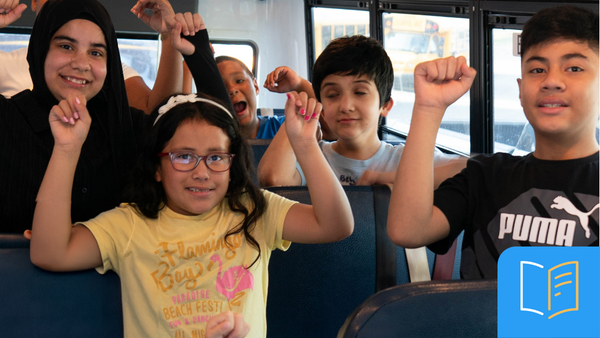
Communication Considerations A-Z: Deaf Plus
An overview of Deaf Plus Leaners, children who are deaf or hard of hearing with additional disabilities, that highlights communication access, individualizes supports, and collaborative planning with...
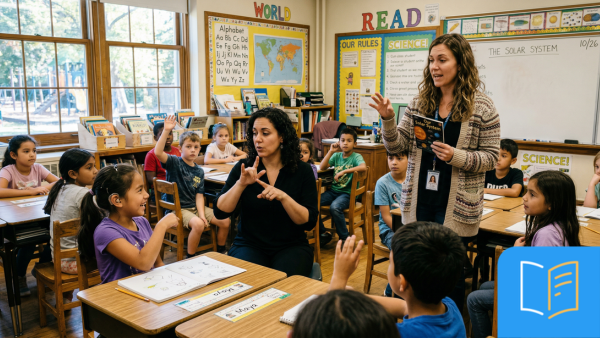
American Sign Language Interpreters in Public Schools: An Illusion
Relying on interpreters in mainstream classrooms can create an illusion of inclusion for deaf students, particularly those with language deprivation. Students need rich, language-focused environments...

A Portrait of Holly - Growing Up Deaf
Diagnosed at three, Holly speaks candidly about hearing aids, learning sign language as an adult, employment discrimination, and what it means to grow up deaf in a hearing world. Her message is...
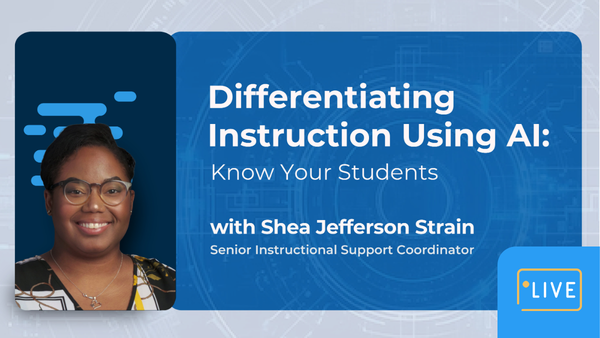
Differentiating Instruction Using AI
Educators explore how AI can support differentiated instruction, strengthen student learning, and encourage responsible classroom use. Presenter Shea Jefferson Strain shares practical strategies,...
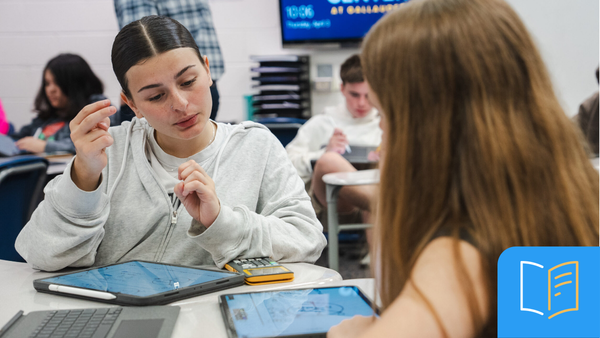
AI as a Thinking Partner - Not a Thinking Replacement
This lesson introduces students to how AI can be used as a learning tool. It helps set clear expectations for responsible use while reinforcing the importance of student thinking, decision-making,...
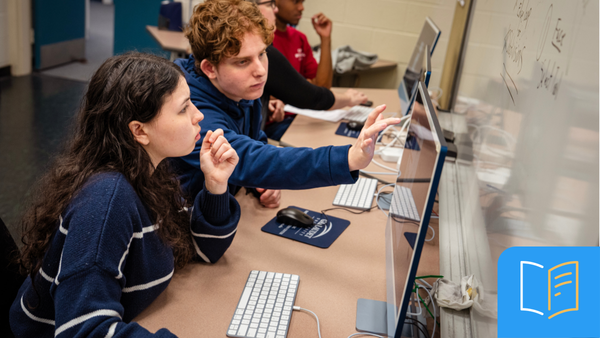
Using AI as a Learning Tool: It Starts and Ends With You
This resource helps teachers facilitate meaningful discussions with students about the role of artificial intelligence in learning. It includes guiding talking points and a simple framework to...

Resource List: Using AI in the Classroom
This resource features a selection of AI tools designed to support classroom instruction. The tools highlighted can assist teachers with lesson development, differentiated instruction, content...
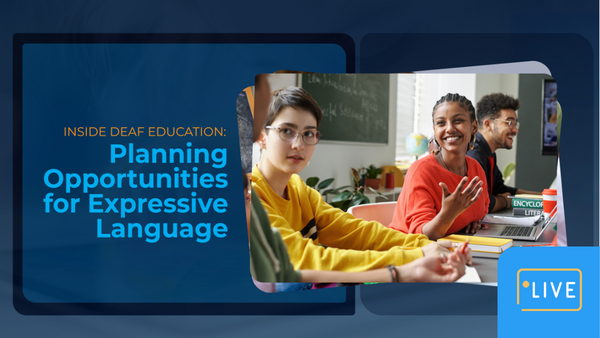
The Power of 'And' in Deaf Education: Language and the Brain
Dr. Wyatte Hall focuses on the foundational role of language in brain development and challenges the myth that using more than one language is harmful. Research shows that the brain thrives when it...
.png)
The Power of 'And' in Deaf Education: Language and the Brain at School and At Home
This presentation reviews research showing how early, accessible language supports brain development, academic success, and well-being for deaf children, while challenging non-evidence based...
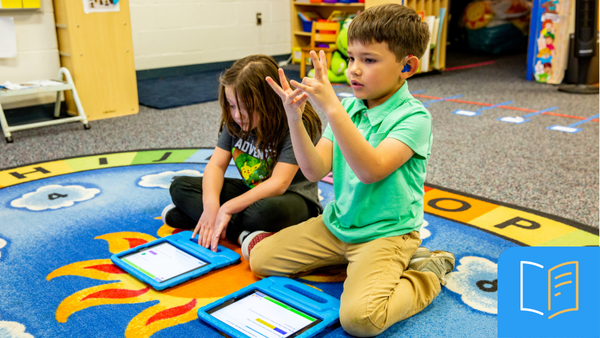
The Power of 'And' in Deaf Education: Language and the Brain at School
This infographic highlights the benefits of bilingualism in deaf education, showing how effortless access to language supports brain development, language acquisition, academic success, and social...

Coffee Chat with Dr. Wyatte Hall: Language and the Brain
In this follow-up recording to our live event, “The Power of ‘AND’ in Deaf Education: Language and the Brain,” Dr. Wyatte Hall joins us for a coffee chat to address questions from the event’s Q&A...
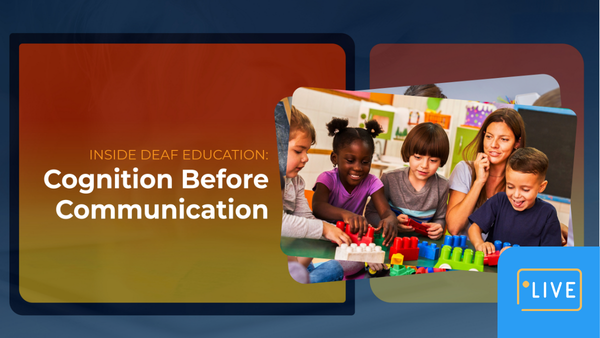
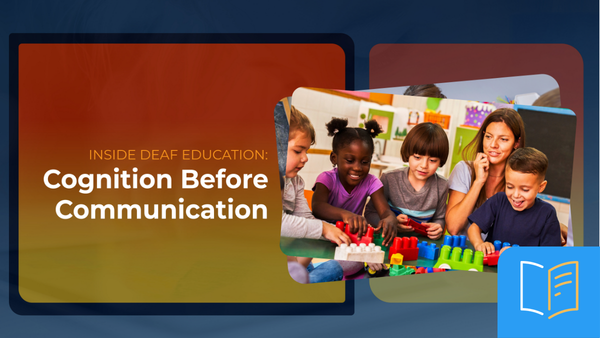
Inside Deaf Education: Cognition before Communication
Clerc Center teachers share how experience-based instruction builds background knowledge, supporting vocabulary development and language learning in both American Sign Language (ASL) and English.
Inside Deaf Education: Cognition before Communication Tipsheet
This tip sheet shares practical, experience-based strategies for prioritizing cognition before communication in Deaf education, helping educators build background knowledge and make abstract concepts...
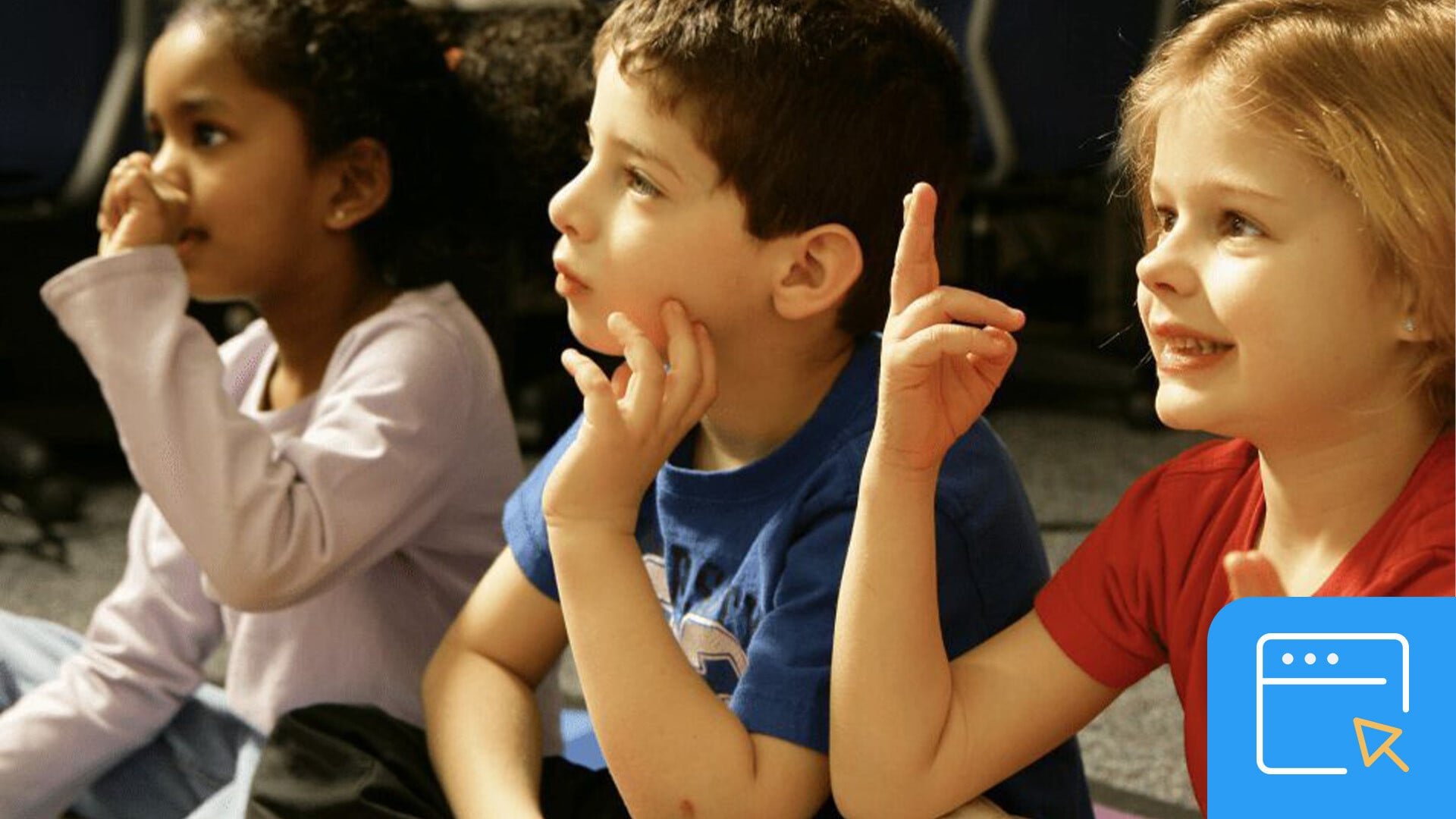
K-12 ASL Standards
K-12 ASL Content Standards provide grade-level benchmarks for planning curriculum and instruction of academic American Sign Language (ASL). Designed for use in ASL-English bilingual programs and...
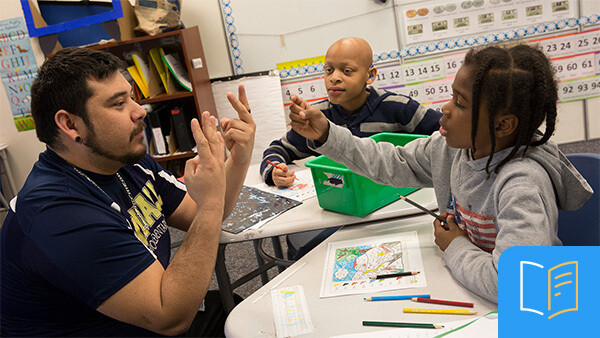
Sign Language Resources Toolkit
This toolkit provides families with Clerc Center-approved sign language resources from a variety of celebrated organizations and products.
Coding Concepts in American Sign Language by Apple
Two Deaf educators explain core programming concepts like loops, functions, and debugging entirely in ASL in this free video series on the Apple Developer site.
.png)
"Rosie Revere, Engineer" in ASL by Amy Aillion
A compelling ASL storytelling experience for young readers. Rosie Revere, Engineer is brought to life in American Sign Language, with the illustrated book pages visible in the background, making this...
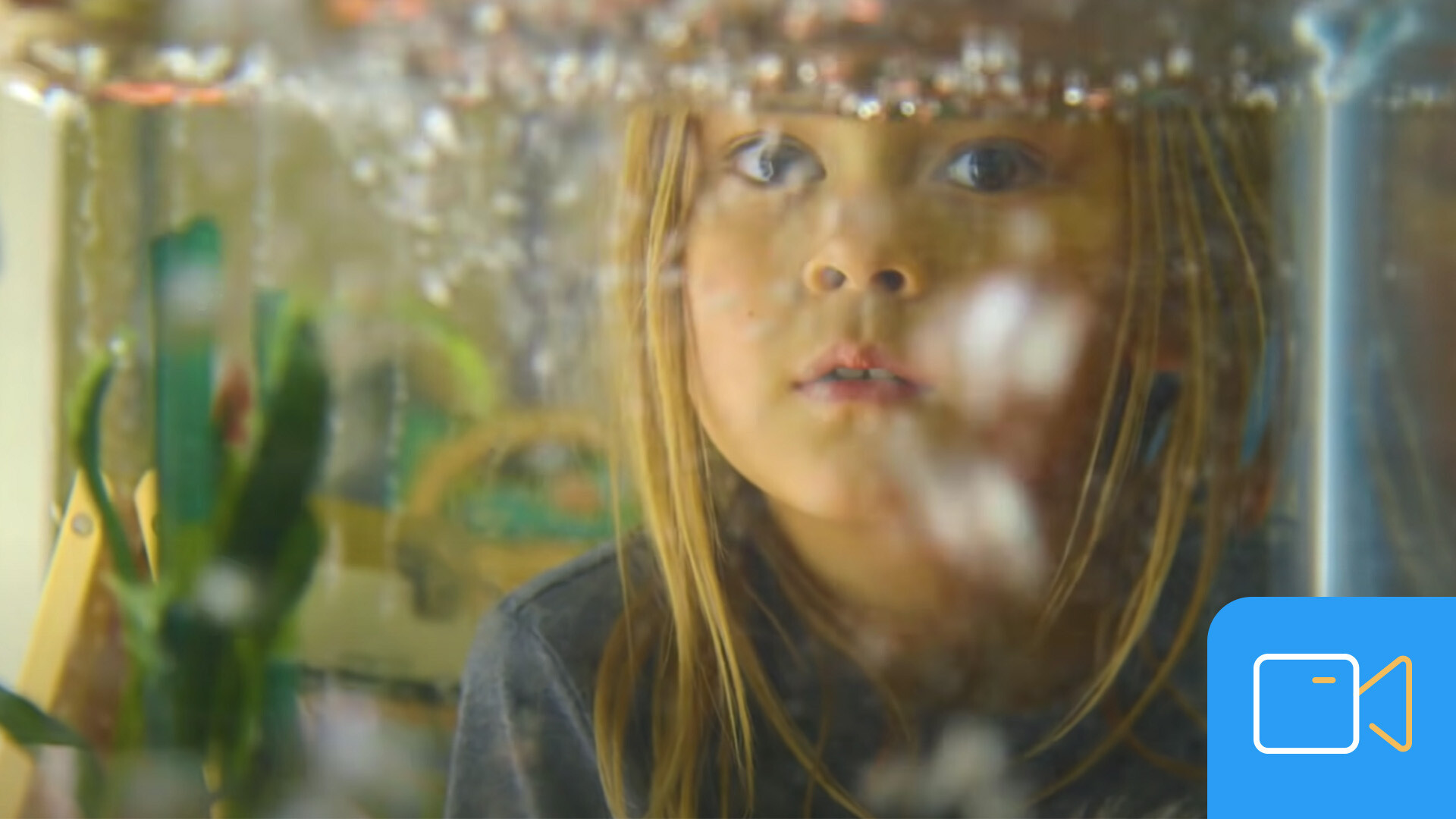
Through The Eyes of Deaf Children
Watch a day in the life of a third-grade classroom at the California School for the Deaf produced by the world-class documentarians at The Atlantic.
Language First
Why start with ASL? Language First shows how a strong first language foundation helps deaf children thrive—in any language.
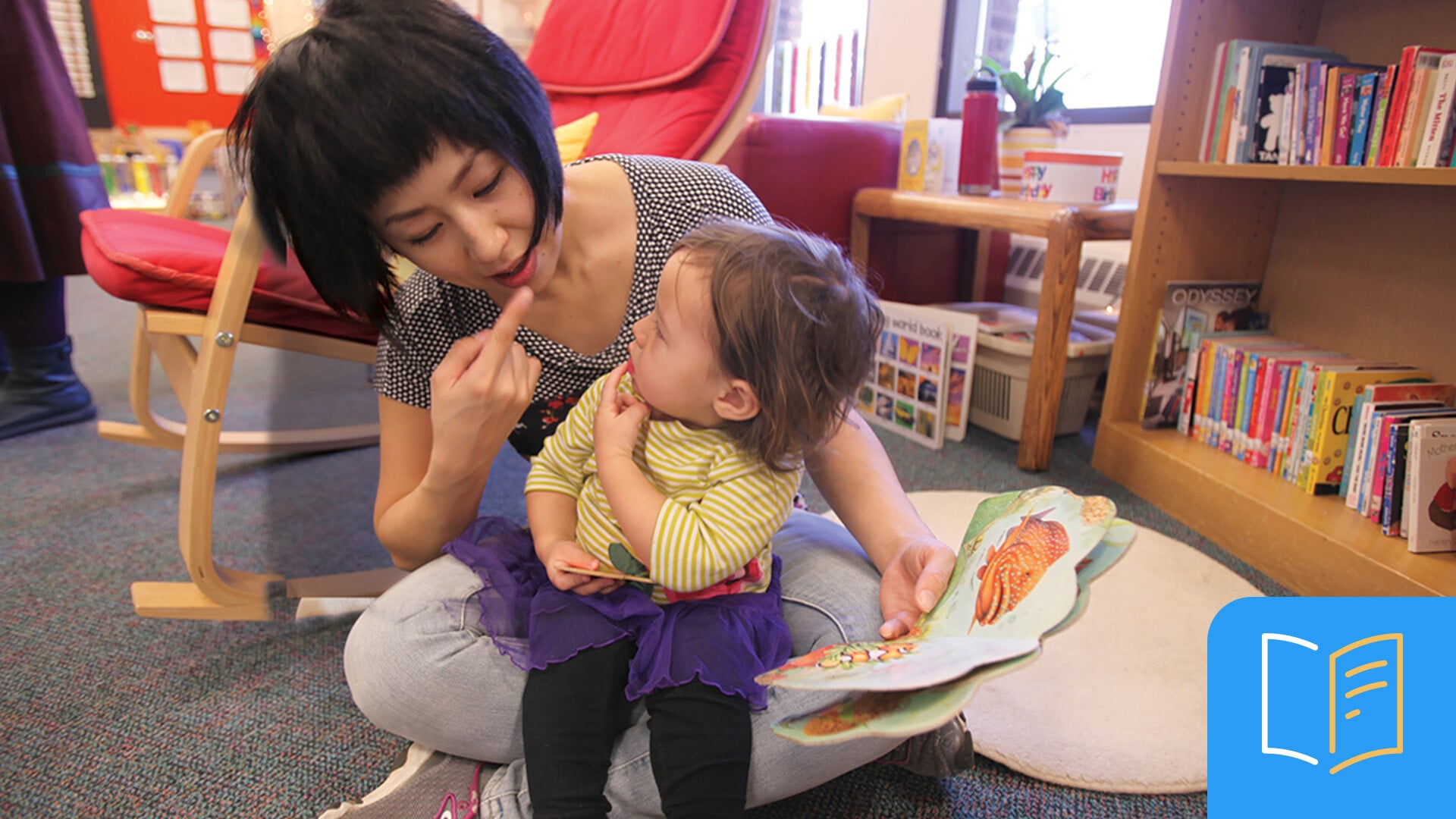
Language First Guide
Calling all parents of deaf and hard of hearing children: This roadmap resource from the Language First organization is packed with useful and easy to read information to help you support your child.
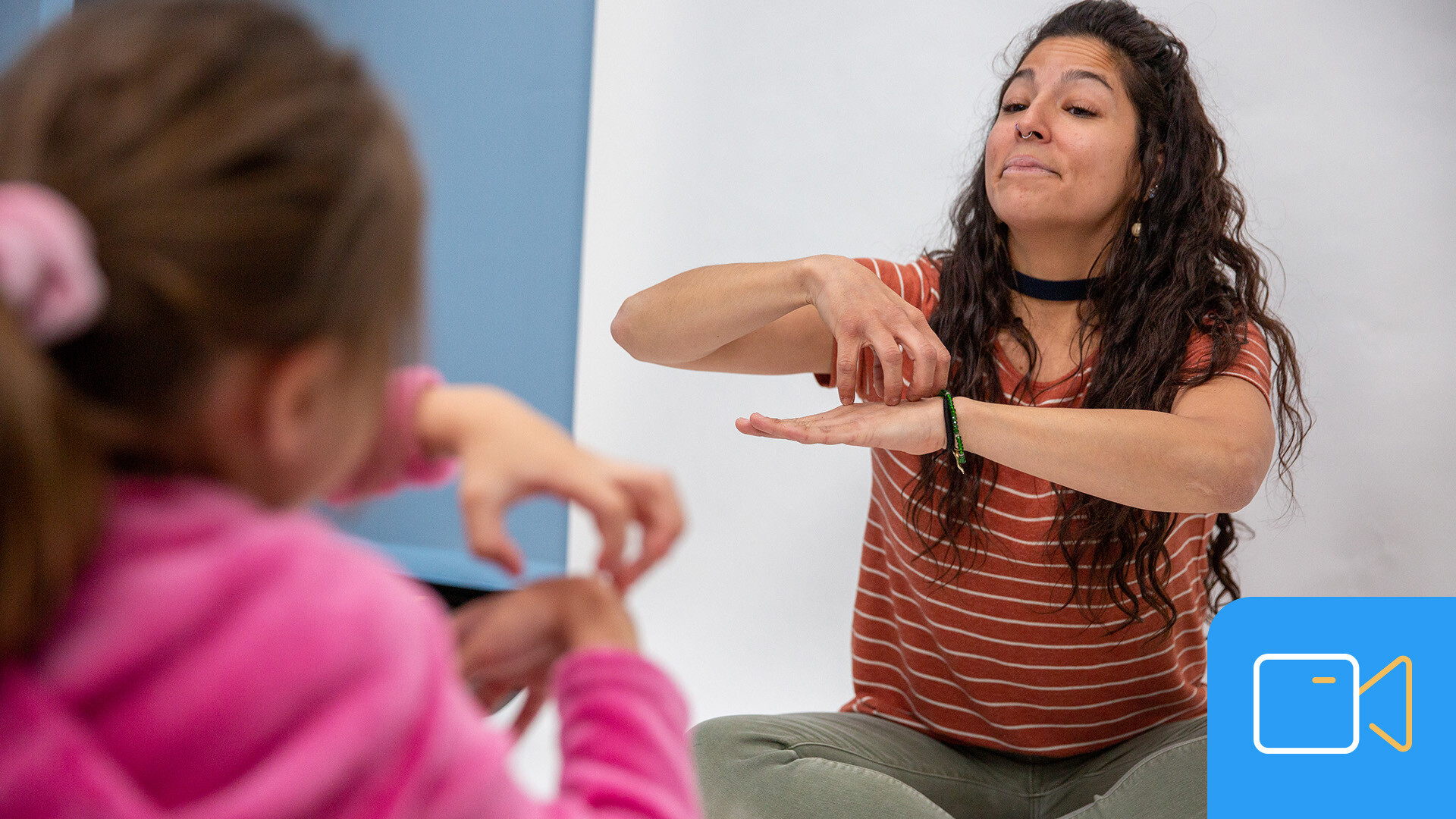
What is Bilingual Education?
This Gallaudet University and Clerc Center-produced video explains the philosophies and justifications for a bilingual approach to learning for deaf children.
National Deaf Center Online Learning
The National Deaf Center Learn site offers free, self-paced courses and resources supporting inclusive, evidence-based practices and deeper understanding of deaf people and deaf experiences.
Accountability in Language Planning
Learn the discrepancies in language access for deaf and hard of hearing students compared to their hearing peers, and understand that our community is facing a neurodevelopmental emergency.

Language Separation & Allocation
This Clerc Center infoblast explains when to make intentional time for signing and viewing ASL vs. reading and writing of English.

Purposeful Integration of Spoken English
This Clerc Center infoblast explains how and when to integrate spoken English into ASL curricula.

Purposeful Integration of Spoken and Written English
This Clerc Center infoblast explains how and when to integrate spoken and written English into ASL curricula.

Purposeful Integration of Written English
This Clerc Center infoblast explains how and when to integrate written English into ASL curricula.
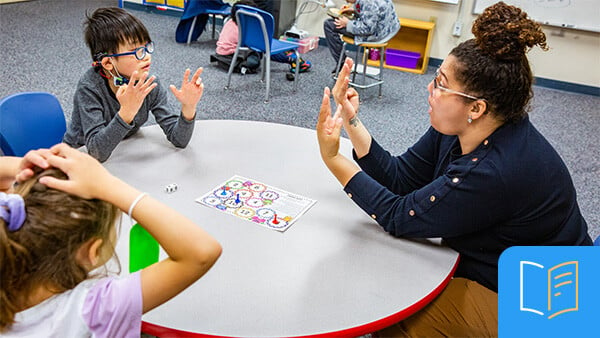
Language Acquisition Resource Toolkit
Explore an interactive resource PDF with links into articles about the impact of language deprivation on deaf and hard of hearing students.
ASL Connect
Learn ASL anytime, anywhere—with immersive, equity-centered lessons taught by Deaf professionals.
ASLized
Where ASL meets innovation—ASLized creates rich media resources that celebrate ASL literature and deepen linguistic understanding.
ASL Nook
A warm, family-run video series that brings ASL to life—perfect for parents and children learning together.
Atomic Hands
STEM gets visual—Atomic Hands offers accessible, engaging science content in ASL made by Deaf scientists.
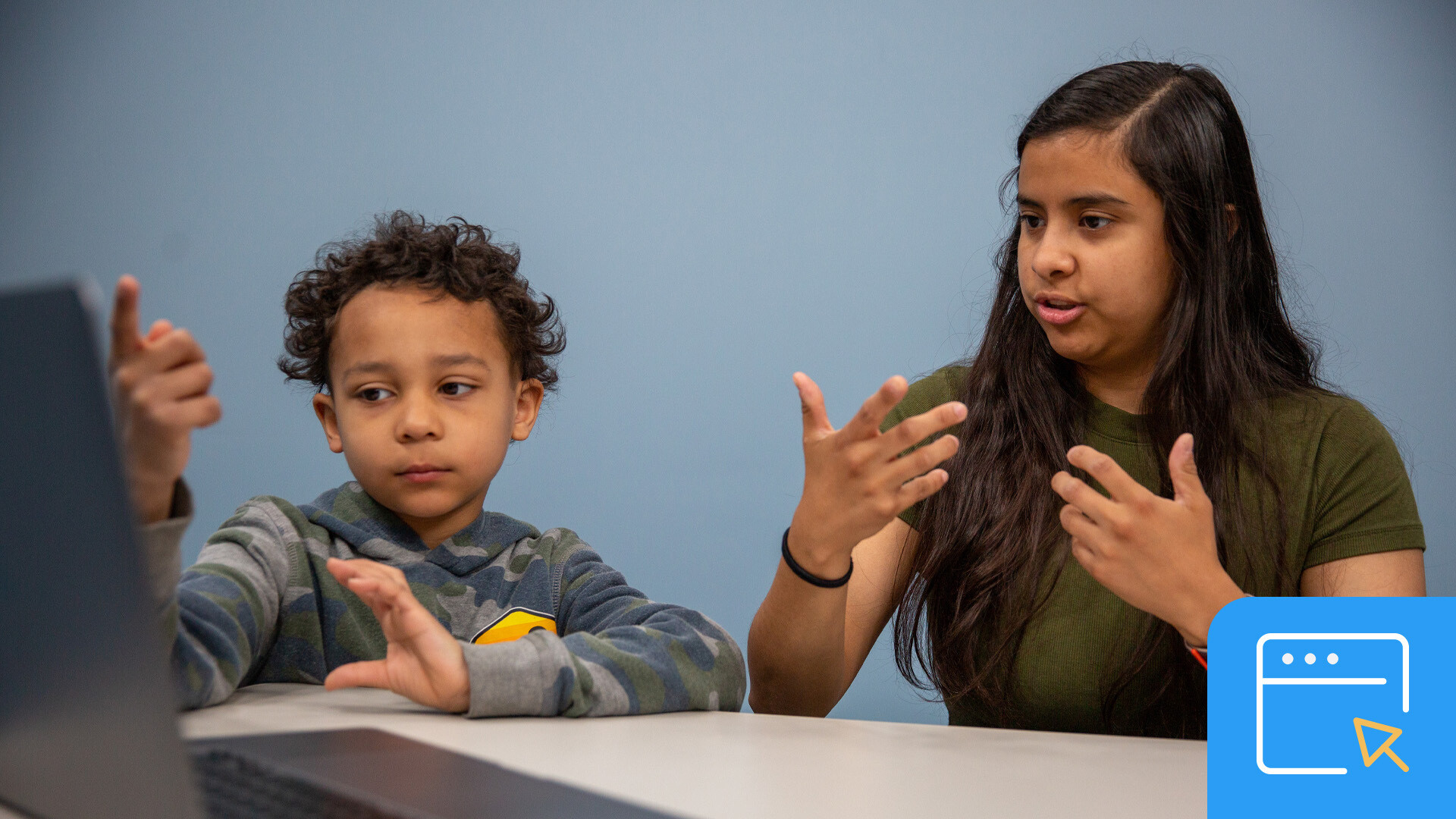
Fingerspelling Our Way to Reading
Explore the Clerc Center's Fingerspelling program, an evidence-based supplementary literacy program for deaf and hard of hearing students in kindergarten to second grade.
Fingerspelling Your Way to Reading Research
Explore research showing how fingerspelling strengthens print recognition, phonological awareness, and reading comprehension for deaf and hard of hearing learners.
.png)
Addressing Alcohol Use of Deaf and Hard of Hearing Youth
Watch an important conversation between Dr. Christine Gannon and Dr. James Huang about how key experiences of deaf and hard of hearing children impact alcohol use.
-1.png)
Center for Deaf Health Excellence at Gallaudet University
A Gallaudet-based research center driving better health outcomes for ASL users—through Deaf-centric data and inclusive education.

Children Who Are Deaf-Blind
Download a comprehensive guide on children who are deaf-blind from the National Consortium on Deaf-Blindness.
American Society for Deaf Children
Empowering families with deaf children through mentorship, resources, and a strong foundation in language and communication.
-1.png)
Deafhood Institute
More than identity—Deafhood is a journey of empowerment, language, and liberation from audism.
-2.png)
Deaf Printers Pages
Before this chapter of Deaf history disappears, it's being preserved. This digital archive documents over 125 Deaf workers who built careers at The Washington Post and across the American printing...
.jpg)
Adverse Childhood Communication Experiences
This toolkit for families explores adverse childhood communication experiences and their risks for acquiring chronic diseases and mental health disorders later in life.
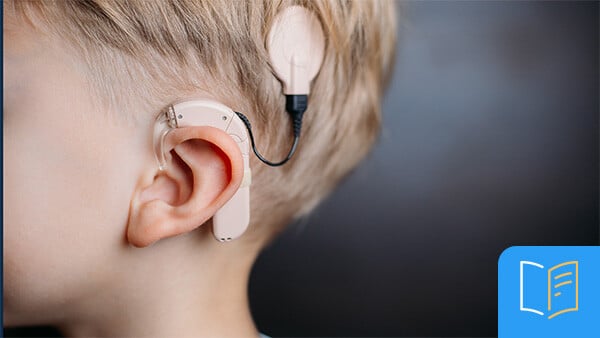
Students with Cochlear Implants: Guidelines for Educational Program Planning
Learn how to navigate discussions and build the appropriate educational supports for children with cochlear implants.
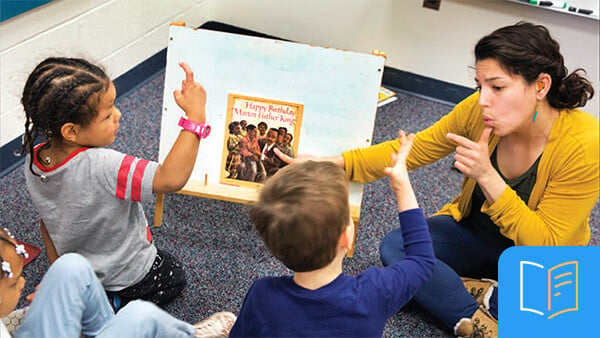
ASL is Just the Beginning: A Plea for Multicultural Deaf Education
Read an Odyssey article by Akilah English that explains how ethnicity, gender, and prejudice can shape how students receive their education.
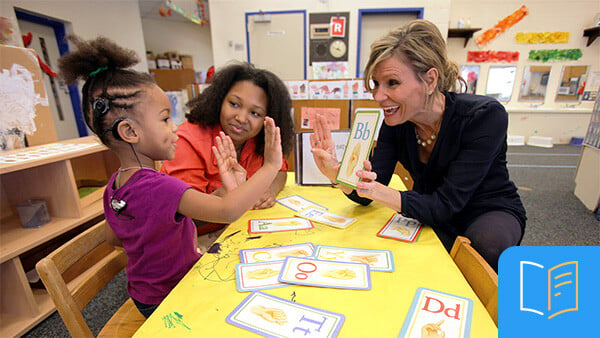
Boston University Parent Packet
Explore a wealth of resources for families from Boston University's American Sign Language Linguistics Project.
.png)
The Center on Literacy and Deafness
A research center driving innovation in how young deaf children learn to read—because early literacy can change everything.

Visual Language & Visual Learning Research Briefs
View a collection of research briefs for parents and educators produced by Gallaudet University's celebrated Visual Language and Learning Lab.
.png)
Gallaudet’s Learning and Training Center (LTC)
Gallaudet University's online hub for continuing education and training opportunities.
.jpg)
Covid-19 Impact on Deaf Education
Watch the National Association of the Deaf's presentation about the impact of Covid-19 on educational systems nationwide and, specifically, on deaf education.
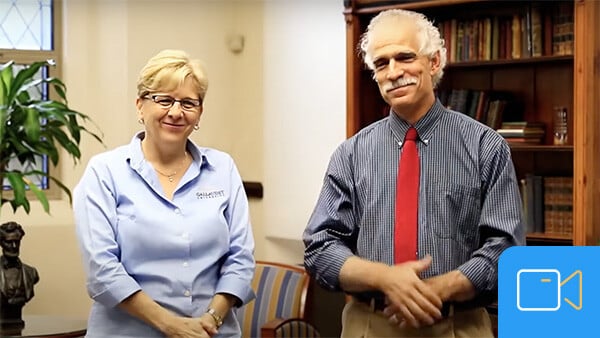
Dispelling Myths of Language Acquisition
Watch Gallaudet University President Roberta Cordano's Inauguration event aimed at dispelling common myths regarding ASL acquisition.

Language Abilities & Approaches Wheels (LAAWs) Framework
Access the new Language Abilities & Approaches Wheels (LAAWs) framework for Deaf Education professionals.
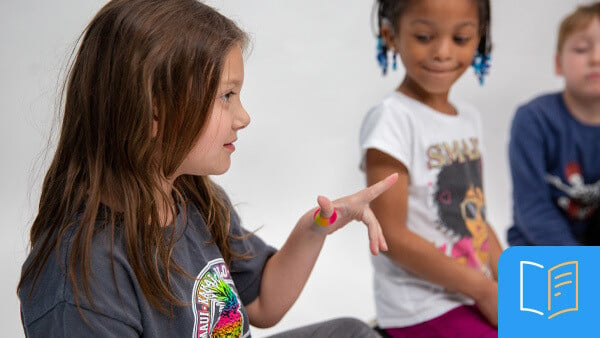
LAAWs Program Review Guide
Discover which programs, interventions, and supplemental resource providers address the language abilities and approaches put forth in the LAAWs framework.
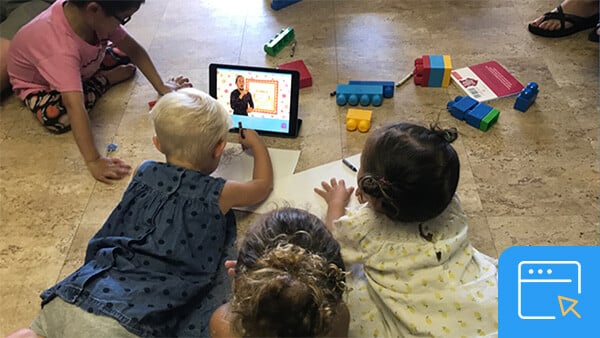
Motion Light Lab
The Motion Light Lab is home to a global digital library of bilingual storybooks, ASL literacy initiatives, and immersive 2D, 3D, VR, and augmented reality experiences for deaf children.
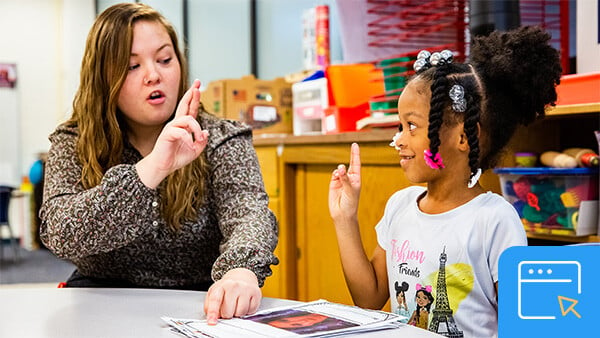
Importance of Fingerspelling
This research brief from Gallaudet's prestigious VL2 lab details the impact of fingerspelling exposure on deaf and hard of hearing children.

Engineering Can Be Fun: Live Event for K-5 Teachers
Watch a live event recording for K-5 educators on how to teach Force and Motion to elementary school deaf and hard of hearing students.

STEAM is Everywhere: Sphero Bolt and Electronics for High School Teachers
Watch a live event recording for teachers on how to conduct sphero bolt and electronics labs and lessons for deaf and hard of hearing high school students.
Beyond Classroom Walls: Exploring Camps and Family Learning for Deaf Children
Watch a live event recording for families about ASL immersion programs and camps for deaf and hard of hearing children.
Fitting IEP Pieces Together: Parents, Teachers, Related Service Providers, and IEP Coordinators
Watch a live event recording for families and educators about IEP meetings and how various professionals should collaborate to enable the best IEP outcomes for deaf and hard of hearing children.

Creciendo en Comunidad: Learning Together
Watch an insightful 1.5 hour session exploring Latino families' experiences with deaf and hard of hearing children. Enjoy a documentary video, expert discussions, and a panel with an audience Q&A.

Creciendo En Comunidad: Learning Together | Deaf and Hard of Hearing Organizations
This resource is a curated list of organizations for deaf and hard of hearing individuals that provide valuable information, resources, and support for families and professionals.

Creciendo En Comunidad: Learning Together | Resources for Multilingual Education
These resources provide access to useful information for professionals working with deaf or hard of hearing children and families from multilingual and multicultural backgrounds.

Creciendo En Comunidad: Recursos para familias hispanohablantes
These resources, with links to Spanish language sites, are available for Spanish-speaking families to assist them in finding more information to best support their deaf or hard of hearing children.
.png)
Supporting Deaf Students in the Classroom within a PBIS Framework
The guide offers evidence-based strategies within a PBIS framework to support deaf students’ behavior, communication, and social-emotional growth. It emphasizes visual supports, culturally responsive...
.png)
Imperfect Sounds
Cochlear implants give deaf kids unprecedented access to sound. But insisting they avoid using sign language may be risky.
National Center on Deafblindness
NCDB is the go-to hub for improving the lives of children who are deafblind through national partnerships and educational expertise.
National Institute on Deafness and Other Communication Disorders
National Institute on Deafness and Other Communication Disorders (NIDCD) conducts and supports research on hearing, balance, speech, language, and communication disorders, advancing prevention,...
Conference of Educational Administrators of Schools
CEASD is the national voice for schools serving deaf learners—leading advocacy, policy, and equity in deaf education.
National Association of the Deaf (NAD)
The NAD is the leading civil rights organization advocating for ASL access, Deaf culture, and equity in every part of life.
National Black Deaf Advocates (NBDA)
The leading national organization advocating for the rights and leadership of Black Deaf and hard of hearing Americans.
National Alliance of Black Interpreters: DC Chapter
Uplifting Black interpreters through mentorship, training, and advocacy—NAOBI-DC grows talent and representation.
.png)
ASLCIA
A hub of ASL-focused curriculum and assessment tools tailored for Deaf Heritage Language learners across PreK–12.
-1.png)
Visual Language and Visual Learning (VL2)
Explore how vision, language, and learning work together through Gallaudet’s groundbreaking VL2 research center.
National Student Life for the Deaf & Hard of Hearing
A professional network building stronger student life programs for deaf and hard of hearing college students across the country.
National Association of Interpreters in Education (NAIE)
National Association of Interpreters in Education supports interpreters working in K–12 educational settings. The organization advances effective practice by developing professional standards,...
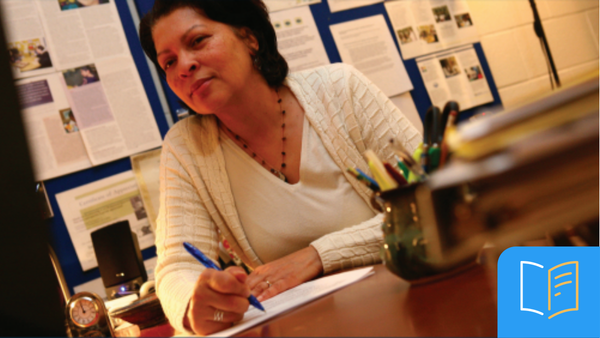
Classroom Interpreting: A Guide for Administrators
Learn how to effectively oversee interpreted classrooms and ensure students who are deaf or hard of hearing have full access to communication and learning.
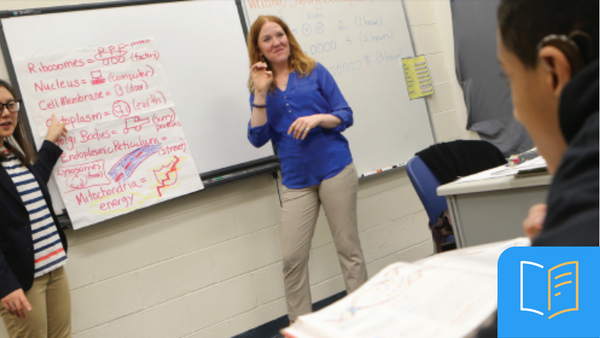
Classroom Interpreting: A Guide for Interpreters
Discover essential skills and strategies for educational interpreters working in schools, where interpreting means supporting language, learning, and social growth—not just conveying words.
-4.png)
Classroom Interpreting: A Guide for Parents
Gain insight into how interpreters support your child’s education, what rights your family holds, and how to advocate for qualified services that foster learning and inclusion.
-4.png)
Classroom Interpreting: A Guide for Students
Learn about your rights, how to work with interpreters, and strategies for success in school and beyond as a student who is deaf or hard of hearing.
-3.png)
Classroom Interpreting: A Guide for Working With Students With CI
Explore how interpreters can adapt to meet the diverse needs of students with cochlear implants, where effective support means understanding each student's unique use of spoken and visual...
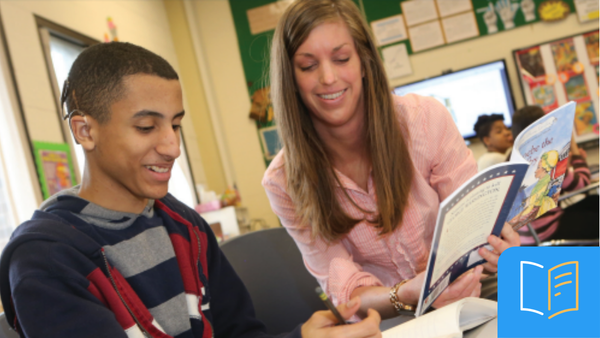
Classroom Interpreting: A Guide for Teachers
Practical tips for teachers to work with interpreters and support students who are deaf or hard of hearing in inclusive classrooms.
.png)
Odyssey 2024: Language-Rich Environments in Deaf Education
Explore diverse strategies to build language-rich environments that support deaf and hard of hearing students from early childhood through high school.
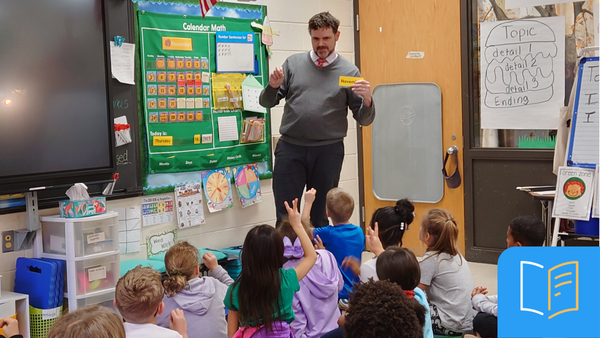
Dual Language Immersion Program
Inside the nation’s only ASL-English dual immersion program: how kids learn and thrive together.
.png)
Reflections on Changing Education: What if Classroom Professionals Had an IEP?
A creative call to reform SLP training, imagining an IEP for professionals who serve deaf students.
.png)
Visual Strategies for Engaging Deaf and Hard of Hearing Children
Explore proven visual strategies that help hearing parents and caregivers engage deaf children in early language development.
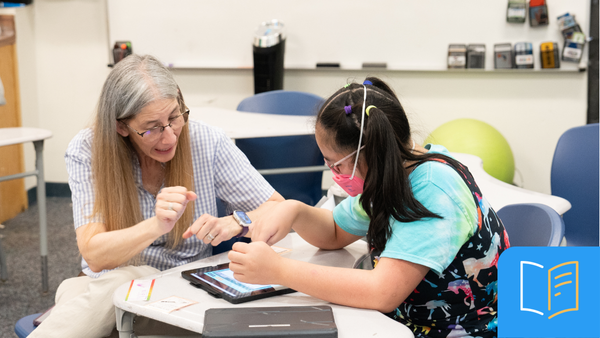
Language, Deaf and Hard of Hearing Youngsters, the IEP...and a Pathway to Literacy
Practical IEP-aligned strategies to support early and ongoing literacy for deaf and hard of hearing children.
-1.png)
Creating Language-Rich Environments with Intentionality
Florida’s Family Center on Deafness offers a holistic model for inclusive, language-rich learning.
-1.png)
A Personal Perspective: Fostering Language-Rich Environments to Enhance Educational Outcomes for Deaf and Hard of Hearing Students
A Deaf educator shares insights on creating language-rich environments that support the varied needs of deaf and hard of hearing learners.
-1.png)
Choosing a School for the Deaf: When a Language-Rich Environment is the LRE
A military family's story underscores why ASL-rich schools can be the least restrictive option.
-1.png)
Continuum of Reading Activities: An In-Depth Look
A step-by-step framework that boosts comprehension and reading independence in deaf learners.
-1.png)
When the Educator is a Parent: A Perspective and Some Helpful Hints
A teacher shares her dual role as educator and mom to a hard of hearing child, with real-world tips for literacy and connection.
-1.png)
Employment Standards for Our Students' Interpreters: Lacking and Badly Needed
A call to strengthen interpreter standards to ensure equitable access for deaf students in K-12 schools.
.png)
Across All Settings: Fostering Environments Rich in Language Comprehension
Embed language comprehension strategies into every part of the school day.
.png)
Building Language and Literacy at the Same Time: Strategies for Classroom and Home
Use interactive reading to strengthen language and literacy in classroom and home settings
.png)
Language - and Literacy- Rich Environments: Strategies for Young Deaf Children
Boost early literacy with ASL modeling, fingerspelling, and everyday routines that build strong signing foundations.
.png)
Odyssey 2023: Access and Equity in Deaf Education
Explore how educators, parents, and advocates are reimagining deaf education through language-rich environments, equity in access, and culturally responsive practices. This edition highlights...
.png)
Access and Equity in ASL Acquisition: Resources to Improve Early Access to Sign Language
Explore a wealth of accessible, low-cost resources designed to help families begin their ASL journey early—critical for language development in deaf children.
.png)
Hands Up for ASL Literature in K-12 Education
Explore why integrating ASL literature into K-12 classrooms is vital for cultural identity, equity, and bilingual learning.
.png)
Beautiful Utility: Visual Tools Make Teaching More Effective and Fun
Discover how visual tools empower deaf learners, enhance teaching, and make complex ideas accessible across subjects and settings.
.png)
Accessibility and Enrichment: Captioned Media Promotes Literacy
Learn how high-quality captioning and ASL access in educational videos can transform literacy and learning outcomes for deaf and hard of hearing students.
.png)
Early Exposure to ASL Yields Gifts to Children Learning to Read and Write
Backed by research, this article shows how early ASL exposure supports literacy and cognitive development in deaf children.
.png)
Supporting Deaf Students Who Experience Language Deprivation
Learn how strategic teaching methods help Deaf students with limited language exposure build foundational literacy and communication skills.
.png)
The Hard-Won Wisdom We Earn: A Letter to Deaf and Hard of Hearing Students
A heartfelt letter to Deaf students that celebrates their unique strengths, resilience, and leadership potential shaped by their experiences.
.png)
Professional Development and the Ongoing Quest for Equity
Explore one teacher's journey through professional development focused on equity for Deaf and ASL students packed with reflections and practical takeaways.
.png)
Road to Resolution: Forming a Team, Documenting Discoveries, and Making an Impact
See how Deaf educators in LAUSD formed an equity team and led bold systemic change for Deaf student success across the district.
.png)
Speech-Language Pathologists and Equitable Language for Deaf Children
Explore the challenges SLPs face and the shifts needed to ensure equitable language services for deaf students who use ASL.
-1.png)
Speech to Text, Text to Speech: Support for Deaf and Hard of Hearing Students
Discover how STT and TTS technology empowers deaf students with auditory access to thrive in bilingual learning environments.
-1.png)
Odyssey 2021-22: Transformative Practices in Instruction, Collaboration, and Administration
Explore transformative practices in Deaf education that emphasize bilingual learning, equity, and student-centered innovation. Learn how educators and families adapted instruction and reimagined...
-1.png)
Turning the Pages of Children's Literature: Dismantling Racial Inequities
Explore how diverse children's literature helps deaf students build identity, reduce bias, and increase belonging in the classroom.
-1.png)
Transforming Emotional Health: Addressing Teacher Burnout
Learn practical, research-backed strategies to prevent and recover from burnout designed especially for Deaf education professionals.
-1.png)
The Great Texas Deaf Ed Road Trip: Middle Schoolers Drive Development of Virtual Learning
Travel virtually across Texas with Deaf students as they explore cities, culture, and geography - boosting social studies through accessible, engaging digital lessons.
-1.png)
Social-Emotional Learning: How Can We Best Support Deaf Adolescents?
Explore strategies to support Deaf adolescents' emotional well-being through social-emotional learning, identity development, and connection.
-1.png)
Signs, Graphemes, Books, Writing and Lots of Joy: Embracing Bilingualism with Preschoolers
Discover how ASL graphemes and vibrant visuals transform early literacy instruction for Deaf preschoolers in a bilingual ASL-English environment.
-1.png)
Shifting Priorities, Technology-Centric Practices, and an Ever-Evolving Educational Experience for Our Children
Follow one family's story of resilience and adaptation during COVID-19, and how technology reshaped education for their deaf and deafdisabled children.
-1.png)
Transformation: Reframing Academic and Functional Learning
Discover how blending academic and functional skills in theme-based units transforms learning for Deaf students of all ages and abilities.
-1.png)
And the Beat Goes On: Using Music to Transform Classes for Deaf Students with Multiple Disabilities Through Universal Design
Experience how music is redefined through vibration, rhythm, and movement unlocks joy, language, and community for deaf students with multiple disabilities.
-1.png)
Teaching Literacy through Movement: A Transformative Partnership
See how dance and ASL combine to enhance grammar and literacy skills in a program that blends movement with language instruction.
-1.png)
Flipped Classroom Pedagogy in ASL Mathematics
See how flipped classrooms empower deaf students to learn math in ASL at their own pace while maximizing classroom time for hands-on problem-solving.
.png)
Facing Masks: Teaching Deaf and Hard of Hearing Students During a Pandemic
Explore how one educator adapted tools and strategies to ensure deaf students continued learning despite the masking challenges of COVID-19.
.png)
Defiant Joy: The Parent-Professional Collaboration Behind the Fostering Joy Movement
Discover how families and professionals are reshaping deaf education by centering joy, resilience, and community through the national Fostering Joy movement.
.png)
Decide, Act, Believe: Teaching Self-Determination Skills
Support students in becoming independent decision-makers using tools like the Self-Determined Learning Model and the ASL-translated Self-Determination Inventory.
.png)
Creating Transformative Units: Teaching to Foster Self-Determination and Learning
Learn how educators foster self-determination and academic engagement through student-centered, interdisciplinary units based on real-life challenges.
.png)
Co-Leadership and Community Involvement at the Clerc Center
Discover how shared leadership and national partnerships are transforming deaf education through equity, innovation, and collaboration.
.png)
Math, ASL, Social Studies-Building a Deaf School Online
Follow Utah's statewide journey to build an online school for deaf students with courses in ASL, English, and math tailored for equitable, remote learning.
-1.png)
Odyssey 2020: Diversity and Fostering Inclusive Learning
This issue of Odyssey focuses on equity, inclusion, and diversity in deaf education. Articles share real-world strategies and personal stories from families, educators, and students working to create...
Shared Cultural Connections Help Students Analyze Literature
Explore how one Deaf educator uses her own experiences and identity to help students connect with literature—and with each other—through shared stories and culture.
-2.png)
Grandparents, Parents, Children—and Four Languages: A Deaf Family’s Story
This inspiring family shares how they intentionally raise their three children in a multilingual home with ASL, Spanish, English, and Peruvian Sign Language.
Abuelos, Padres, Hijos y Cuatro Lenguajes: La Historia de una Familia Sorda
Una familia sorda relata cómo están criando a sus hijos con ASL, LSP, inglés y español, fomentando la identidad cultural y el multilingüismo desde el hogar.
-2.png)
Fostering Equity and Inclusion at the Clerc Center and Gallaudet University: Three Perspectives
Three Deaf professionals share how their cultural and linguistic identities shape their work supporting equity and inclusion across the Clerc Center and Gallaudet.
-2.png)
Family Language Planning with Deaf and Hard of Hearing Children: Fostering Multilingual Development
Learn how to support multilingual families in planning intentional, culturally inclusive language strategies for their deaf and hard of hearing children.
Planificación del Lenguaje—Familias con Niños Sordos e Hipoacúsicos: Fomentando el Desarrollo Multilingüe
Este artículo en español ofrece una guía clara para ayudar a familias a planificar de manera intencional el desarrollo multilingüe en sus hijos sordos o hipoacúsicos.
-2.png)
Gender Inclusion in the Clerc Center’s Demonstration Schools
This article outlines the Clerc Center’s process of adopting gender-inclusive policies and facilities across its schools, creating a more welcoming environment for all students.
-2.png)
In the U.S. Military: Gleaning Support for Our Deaf Sons
Follow one military family’s story of persistence, advocacy, and love as they navigate hearing loss, autism, relocation, and bilingualism for their two sons.
-2.png)
Yes, We Can! Addressing Personal and Cultural Connections Within Evidence-Based Reading Instruction
Learn how one teacher used culturally relevant reading instruction to engage a young Black deaf student—connecting literacy skills to identity, community, and joy.
-1.png)
Teresa: Curious and Fun Loving—A Family’s Journey
A heartfelt family story of discovery, diagnosis, and advocacy as one little girl navigates deaf-blindness and multiple disabilities with the support of inclusive programs and loving parents.
-2.png)
How Universal Design for Learning Can Help Students Who Are Deaf or Hard of Hearing
Discover how Universal Design for Learning (UDL) creates inclusive classrooms that proactively meet the needs of deaf and hard of hearing students—no advocacy required.

American Deafness and Rehabilitation Association (ADARA)
A hub for professionals serving the Deaf, Hard of Hearing, and DeafBlind—where collaboration drives better policies, programs, and lives.
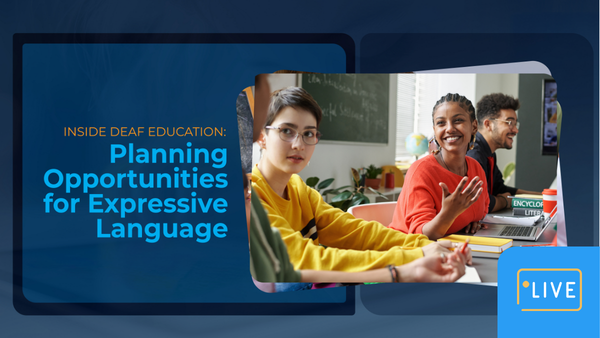
Inside Deaf Education: Planning Opportunities for Expressive Language
This webinar explores how to support expressive language in DHH students using strengths-based strategies and intentional instruction.
.png)
Odyssey 2019: Parent-School Advocacy
Explore the transformative power of parent-school partnerships through personal stories, strategies, and research on how advocacy impacts educational outcomes for deaf and hard of hearing students.
.png)
Odyssey 2018: The Future of Deaf Education
Explore practices that shape the future of deaf education, from mentorship and literacy strategies to professional development and multicultural inclusion.
.png)
Odyssey 2017: What's Trending in Student Success
Discover how families, educators, and entire communities are embracing new ways to support student success through language access, family involvement, culturally responsive practices, and integrated...
.png)
Odyssey 2016: The Power and Potential of Collaboration
This issue explores the transformative power of collaboration in deaf education, highlighting partnerships that help deaf and hard of hearing students succeed in school and beyond. Stories span rural...
.png)
Odyssey 2015: The Influence, Impact, and Opportunity of Technology
Discover how technology is transforming learning for deaf and hard of hearing students—from storytelling apps to robotics, screen-recorded feedback, and bilingual video tools. This issue explores how...
-1.png)
Odyssey 2014: High Expectations for All
Explore how high expectations can unlock potential for deaf and hard of hearing students. This issue dives into success stories, practical strategies, and reflections from educators and families...
-1.png)
Odyssey 2013: Accessing Appropriate Special Education and Related Services
Discover how collaboration between families, schools, and communities helps deaf and hard of hearing children thrive—emotionally, socially, and academically.
-1.png)
Odyssey 2012: Research to Practice
Explore how research-based strategies—from bilingual approaches to managing visual attention—can improve learning outcomes for deaf and hard of hearing students.
-1.png)
Odyssey 2010: Supporting Students - Working Together to Meet Diverse Needs
This issue offers practical guidance and success stories about how families, educators, and specialists collaborate to support deaf students with diverse needs across school settings.
-1.png)
Odyssey 2009: Success - Experiences from Across the Nation
Success stories from across the nation highlight how families, educators, and schools are working together to support deaf and hard of hearing students academically and socially.
-1.png)
Odyssey 2008: Autism Issue - When Deafness and Autism Coexist in Children
This issue focuses on the intersection of deafness and autism, offering insight from parents, educators, and researchers on what works and where more work is needed.
-1.png)
Odyssey 2007: Deaf and Hard of Hearing Teens
This issue spotlights the unique challenges and triumphs of deaf and hard of hearing adolescents—offering tools and stories to help professionals support youth during their critical transition years.
-1.png)
Odyssey 2000 (Winter): Shared Reading Project Evaluation
This issue explores the Shared Reading Project, Virtual High School student experiences, and cochlear implant strategies. It highlights innovative teaching, family engagement, and national...
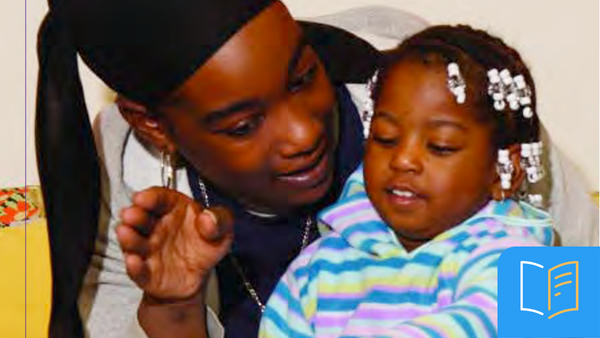
Odyssey 2006 (Fall/Winter): Shared Reading: Helping Parents Read to Deaf Children Around the Country
Explore the Shared Reading Project through stories of impact, tips from tutors, and the transformative power of connecting families, Deaf adults, and books.
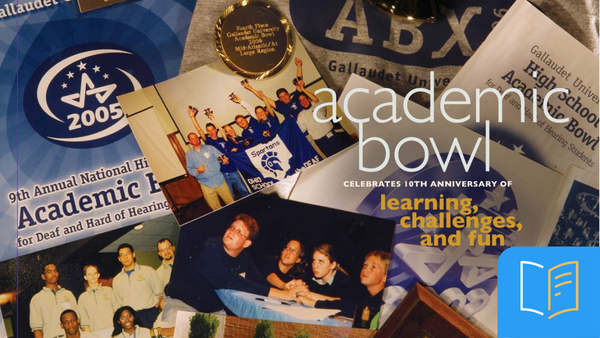
Odyssey 2006 (Spring/Summer): Academic Bowl Celebrates 10th Anniversary of Learning, Challenges, and Fun
This issue highlights the Academic Bowl’s 10-year impact on deaf and hard of hearing students, showcasing the excitement of competition, creative team preparation, and personal growth. Reflections...
Odyssey 2005 (Fall/Winter): Testing & Deaf Students in the Age of the No Child Left Behind Act
This issue explores assessment in deaf education through the lens of the No Child Left Behind Act, offering real-world strategies, insights, and reflections from schools, families, and researchers.
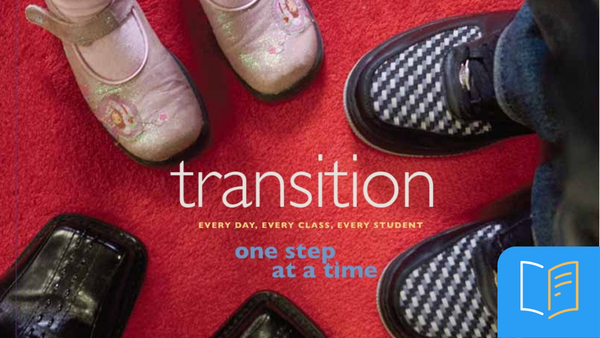
Odyssey 2005 (Spring/Summer): Transition: Every Day, Every Class, Every Student ... One Step at a Time
This issue focuses on transition skills for deaf and hard of hearing students, highlighting real-world learning through school expos, portfolios, internships, on-site businesses, and project-based...

Odyssey 2004: Bullying: Facing the Challenge - Insights & Strategies
This issue focuses on helping deaf and hard of hearing children manage bullying through trauma-informed strategies, peer support, and counseling approaches such as sandtray therapy.
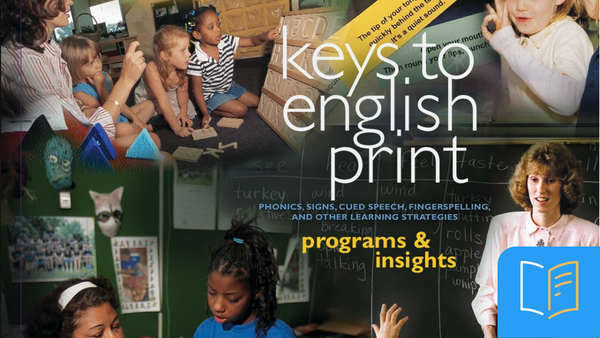
Odyssey 2003 (Fall): Keys to English Print: Phonics, Signs, Cued Speech, Fingerspelling, and Other Learning Strategies - Programs & Insights
This issue unpacks the intersection of school reform, instructional practices, and equity in deaf education—with stories from leaders who are changing the narrative.
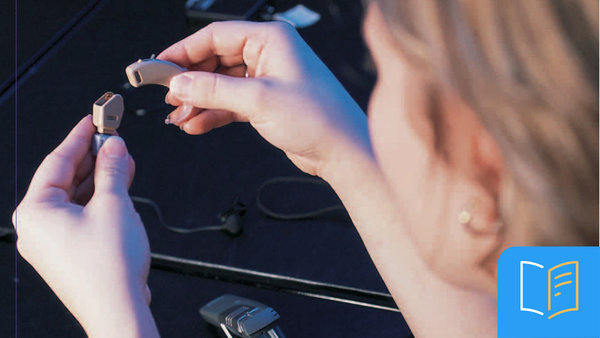
Odyssey 2003 (Winter): Hard of Hearing: Facing the Challenge in Class - Insights & Strategies
This issue examines the experiences of hard of hearing students, highlighting academic and social challenges, overlooked needs, identity development, family and educator resources, and diverse...
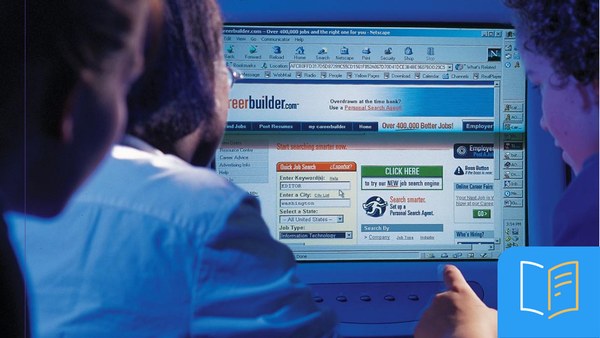
Odyssey 2002 (Fall): Literacy: Preparing Students for Jobs and Careers - Coursework Can Help
This issue highlights technology-enhanced literacy, workplace skill-building, independent reading, and tools that support organization. It also features accessible science learning and resources that...

Odyssey 2002 (Winter): Family Involvement: What Schools Can Do to Foster Partnerships with Families - Recommendations & Results
Dive into insights and innovations that support early childhood language development, inclusive education strategies, and empowering families through ASL-rich environments.
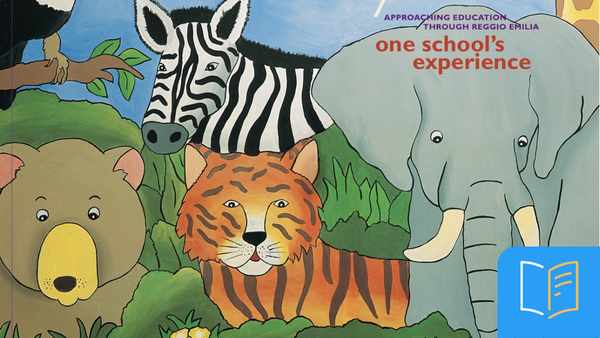
Odyssey 2002 (Spring/Summer): The First Years: Approaching Education Through Reggio Emilia - One School's Experience
This issue highlights Reggio Emilia-inspired early learning, focusing on child-led exploration, parent involvement, evolving classroom environments, emergent curriculum, and creative teaching that...

Odyssey 2001 (Winter/Spring): Interpreting: Reaching Out to Teach Deaf Children - Theory and Practice
This powerful issue dives deep into educational interpreting, blending personal stories and expert analysis to highlight what it really takes to ensure deaf and hard of hearing students thrive in...
Odyssey 2001 (Summer): Transition: What Schools Can Do to Foster Career Skills - Planning & Preparation
Focusing on career readiness for deaf and hard of hearing students, this issue offers practical strategies, innovative teaching approaches, and family engagement tips. Filled with nationwide...
-1.png)
Odyssey 2000 (Spring): Deaf ESL Students
This issue highlights strategies, stories, and research on teaching English as a Second Language to deaf and hard of hearing students, with perspectives from educators, families, and students.
-1.png)
Odyssey 2000 (Summer): Literacy - and the Family
Explore a powerful collection of stories and strategies showing how families and educators can foster literacy in deaf children using visual language, fingerspelling, shared reading, and guided...