Classroom Library Checklist for Bilingual Programs
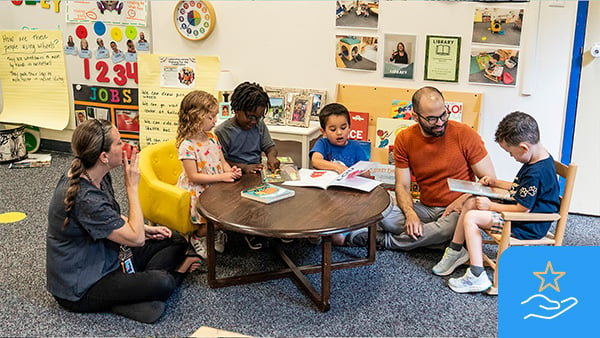
Use this checklist to build and review a classroom library that truly serves deaf and hard of hearing learners. It prompts you to include Deaf and hard of hearing characters shown as whole, capable people, books by Deaf authors, and stories that reflect many racial, cultural, and family identities. It also asks whether ASL materials like signed stories and QR-linked videos are available, whether reading levels and genres vary, and whether the library is actually used during instruction. Use it to find gaps and plan what to add next.