.png?width=250&height=46&name=ClercCenter-HColor%20(2).png)
Classroom Environment Administrator Walkthrough Checklist
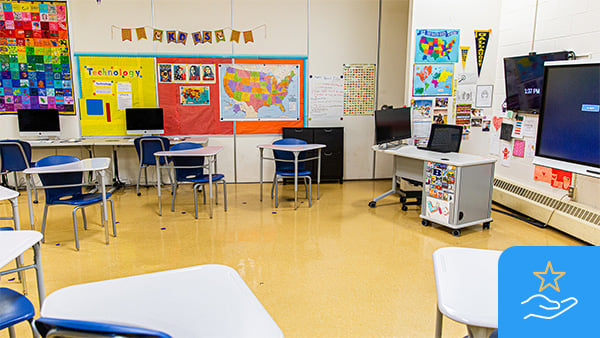
Use this checklist during classroom walkthroughs to assess whether the learning environment supports deaf and hard of hearing students. Look for clear sightlines so every student can follow ASL interactions, and for ASL and English used intentionally and separately rather than signed and spoken simultaneously. Note whether Deaf role models and Deaf culture are visibly present, whether the classroom library reflects Deaf lives, and whether every student is safe, included, and respected. Use what you observe to guide coaching and set shared expectations across the school.

.png)
-1.png)