ASL–English Sandwiching Checklist, Grades 6-8
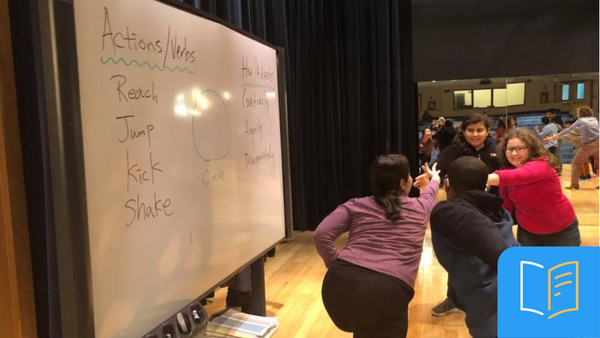
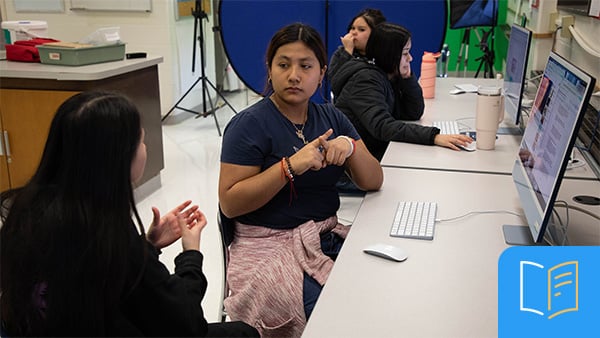
Sandwiching' means teaching an idea in one language, then the other, and comparing the two. Use this checklist for grades 6-8, where the focus shifts to more complex academic language and how ASL and English structure ideas differently. It helps you plan for specific language demands, such as passive voice or figurative language, alongside ASL features like role shift and use of space, and guide students to translate for meaning rather than word for word. Quick checks help you see whether students can explain structural differences and choose the right English structure on their own.