.png?width=250&height=46&name=ClercCenter-HColor%20(2).png)
Program Identity: Deaf-Centered Practice Administrator Walkthrough Checklist
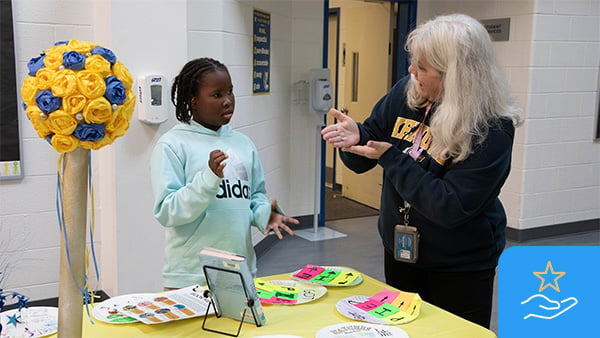
Use this checklist as you walk through your school to see whether Deaf-centered practice, meaning learning built around Deaf people, language, and culture, is real in daily life and not just in the mission statement. It prompts you to look for Deaf adults visible as leaders and experts, Deaf culture and history in shared spaces, ASL used and respected everywhere, active partnerships with the Deaf community, and real leadership roles for students. Use what you notice to guide programming, staffing, and coaching across the whole school.