.png?width=250&height=46&name=ClercCenter-HColor%20(2).png)
Classroom Environment Teacher Checklist
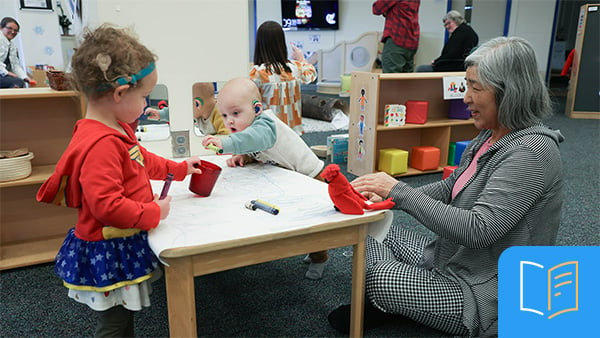
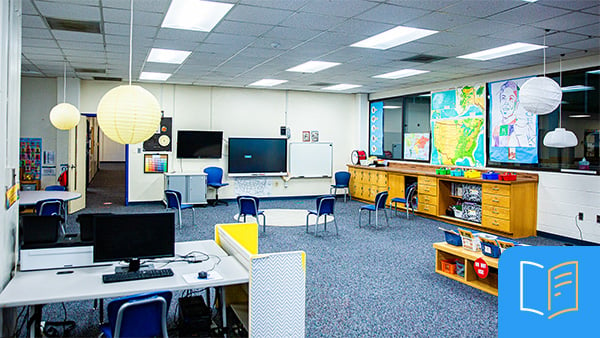
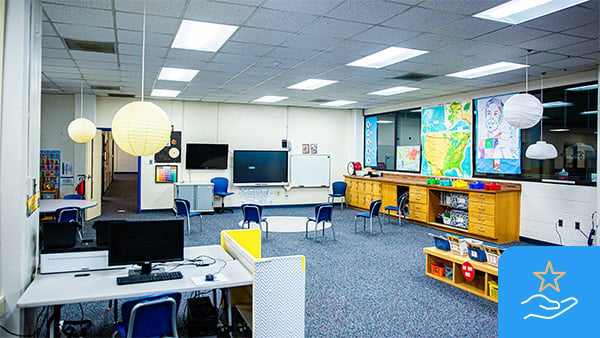
Use this checklist to set up and reflect on your classroom so deaf and hard of hearing students can fully access information, participate, and learn. Look for clear sightlines and lighting for viewing ASL interactions, word walls and signage in both ASL and English, and displays that honor Deaf leaders and history. Build a library featuring Deaf characters and authors, and keep routines, pathways, and behavior expectations visual and welcoming. Use it at the start of the year and revisit it often to keep the environment accessible and welcoming.
-1.png)