.png?width=250&height=46&name=ClercCenter-HColor%20(2).png)
Program Identity Administrator Checklist
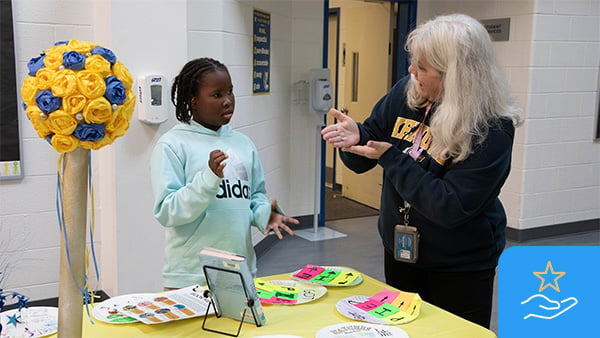
Program identity is a school's Deaf-centered character, the sense that this is a place built by and for Deaf people. Use this checklist as you walk the building to see whether that identity is real and consistent. It prompts you to look for Deaf role models who are present and engaged, Deaf culture and history reflected in shared spaces, ASL used naturally in every setting, strong ties to the Deaf community, and students taking on leadership and advocacy roles. Use what you notice to name strengths and plan coaching that moves the whole program toward exemplary bilingual practice.