.png?width=250&height=46&name=ClercCenter-HColor%20(2).png)
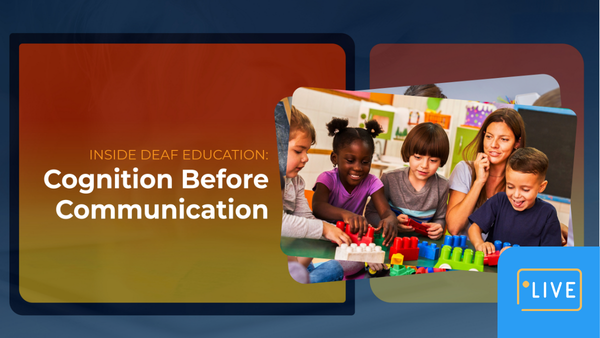
Inside Deaf Education: Cognition before Communication
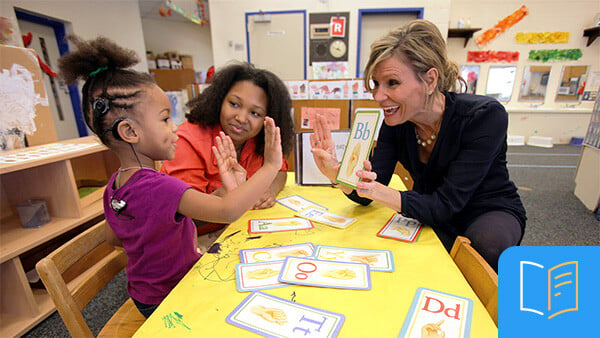
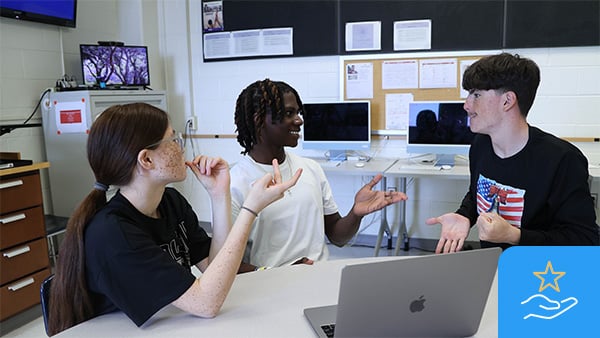
Providing children with rich, accessible experiences is essential for building the cognitive pathways that support language acquisition and learning. In this installment of Inside Deaf Education, Clerc Center teachers share how they intentionally ground instruction in meaningful, hands-on experiences. By building strong background knowledge, educators help children make connections, deepen understanding, and develop new vocabulary in both American Sign Language (ASL) and English.
-1.png)