Literal Translation: Administrator Walkthrough Checklist
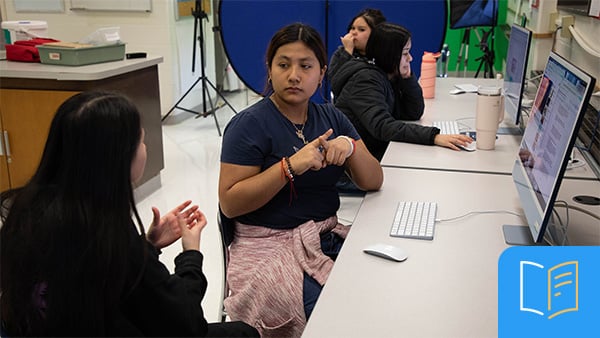
Literal translation is a bilingual strategy where students translate directly between ASL and English to examine how each language represents meaning, looking closely at grammar, word order, and expression. The goal is understanding how language works, not the content itself. This walkthrough tool helps administrators observe and give feedback on that work. It looks at whether teachers plan chances to examine structure, establish meaning before analyzing, and make differences between the languages explicit, and whether students can identify and explain how meaning shifts across ASL and English with growing independence. Use it to support students' awareness of how ASL and English each work.