

IFSP Provider Checklist: Before the Meeting
A checklist early intervention providers use to prepare for a child's first IFSP, the family service plan: the legal basics, records, and family routines to review beforehand.
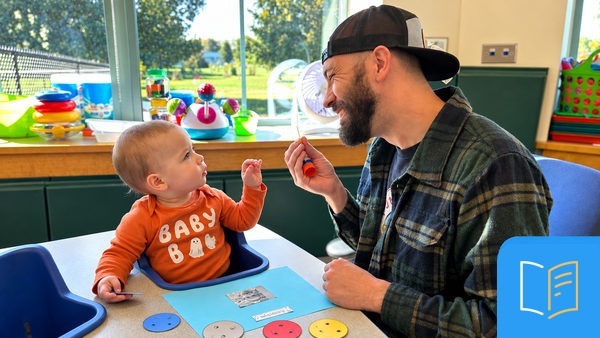
Initial IFSP Checklist for Families: Before the Meeting
A checklist families use before their first early intervention planning meeting: understanding their rights, gathering documents, and naming their child's top priorities.
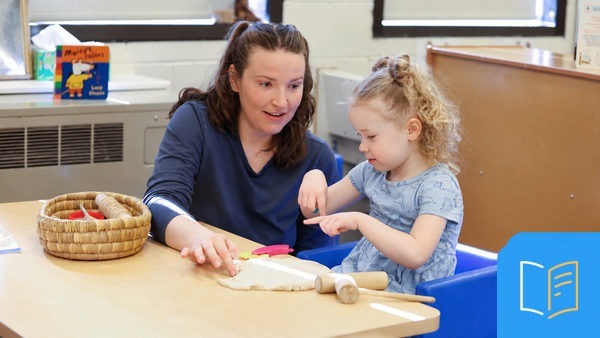
Playgroup Materials Checklist for DHH Infants and Toddlers
A checklist providers use to stock an early intervention playgroup with books, toys, visual supports, and sensory materials that turn play into language-building.
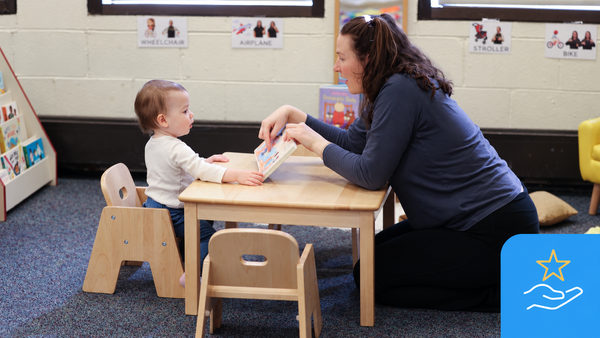
DHH Early Intervention Playgroup Setup Guide
A guide providers use to set up a playgroup room for Deaf and hard of hearing toddlers, with clear sightlines, good lighting, visual supports, and language-rich materials.
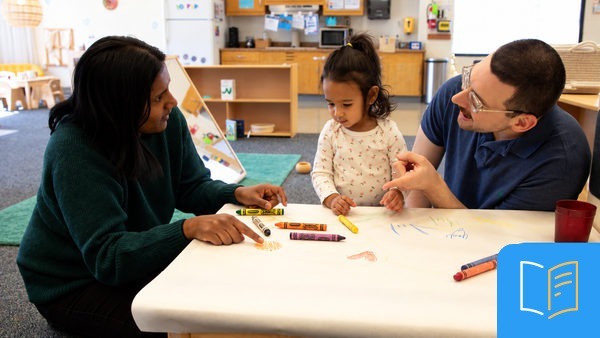
IFSP Checklist for Providers: During the Meeting
A checklist providers use during an IFSP meeting to keep families in the lead, write functional goals, and make sure services and communication access reflect the child's real daily life.
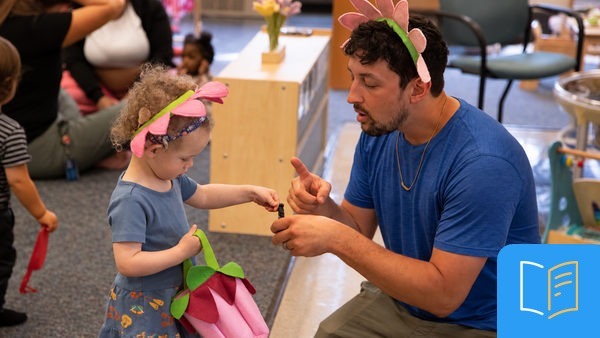
IFSP Checklist for Providers: After the Meeting
A checklist providers use after the IFSP meeting to confirm the written plan is accurate, track progress in everyday routines, prepare for reviews, and start transition planning early.
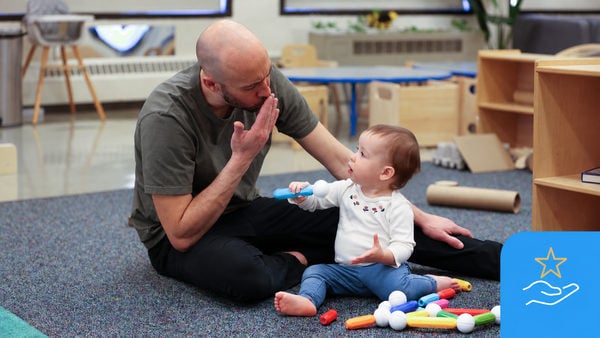
IFSP Checklist for Providers: Special Considerations
A checklist providers use to make sure a child's early intervention plan reflects their full language environment, uses fair assessment, and connects families to Deaf community and role models.
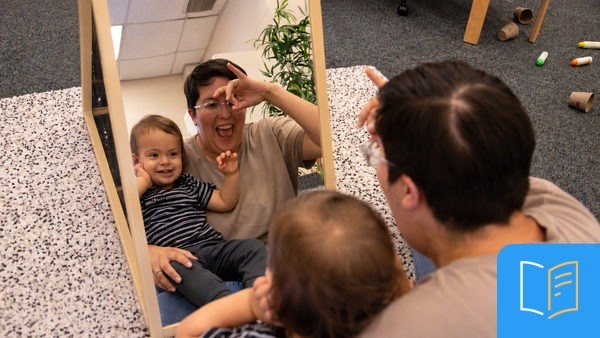
Initial IFSP Checklist for Families: During the Meeting
A checklist families use during the planning meeting to share what they know, shape their child's goals, confirm where services happen, and review the written plan before signing.
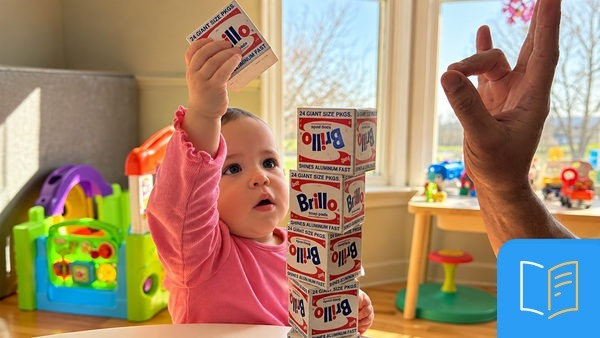
Initial IFSP Checklist for Families: After the Meeting
A checklist families use after the planning meeting to watch their child's progress, know when reviews happen, connect with other families, and plan ahead for the move out of early intervention.
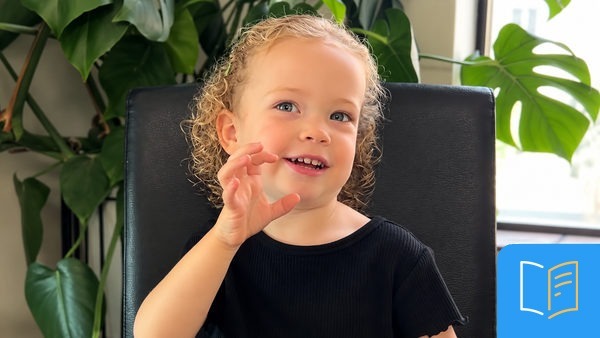
Initial IFSP Checklist for Families: Special Considerations
A checklist families use to make sure their child's early intervention plan reflects the family's full language environment, uses fair assessment, and opens doors to the Deaf community.
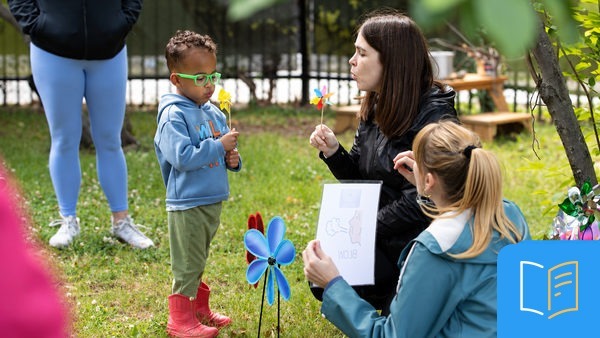
Family Checklist: Is My Child Ready for Camp?
A checklist families use to reflect on whether their Deaf or hard of hearing child is ready for camp, looking at comfort with separation, communication, independence, and practical planning.

Template Letter for Families to Share with Camps
A ready-to-use letter families send to a mainstream camp, sharing simple, practical steps so staff can support their Deaf or hard of hearing child's communication, safety, and full participation.
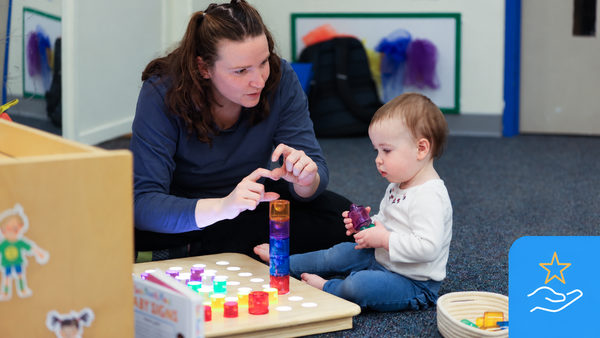
Language Assessments for DHH Infants and Toddlers
A reference list professionals use to pick language assessments for Deaf and hard of hearing infants and toddlers, covering tools for ASL, spoken English, or both, with age ranges and publishers.
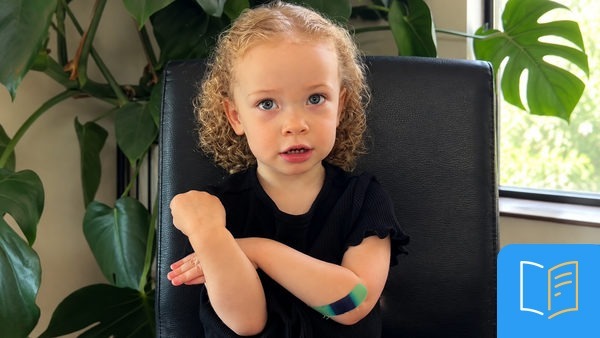
Creating a Visual Schedule at Home Tip Sheet
A tip sheet families use to build a picture schedule at home, helping their Deaf or hard of hearing toddler know what comes next, ease transitions, and grow language through daily routines.
Home Environment Setup Checklist for Families (0-3)
A checklist families use to set up a home that supports their Deaf or hard of hearing child's communication: lighting, sightlines, consistent signs, alerts, and routines.

Family Checklist: Age-by-Age Camp Skill Builder
A checklist families use to practice camp-ready skills with their Deaf or hard of hearing child, with age-by-age ideas for communication, independence, and self-advocacy.
EI Data Collection Checklist: Enrollment
A checklist programs use at enrollment to build a full baseline for each Deaf or hard of hearing child and family, from hearing technology to language levels and priorities.
EI Data Collection Checklist: Exit
A checklist programs use when a family completes a birth-to-three program, capturing exit data on language growth, use of technology, transition handoff, and Deaf community connection.
EI Data Collection Checklist: Ongoing Data
A checklist programs use at each review to track a Deaf or hard of hearing child's language progress, hearing technology, services, and family engagement.
Research List: Sign Language Benefits for Children with Cochlear Implants
Studies families and professionals can use to ground decisions in evidence: early sign language supports language and thinking for deaf children, including those with CIs.
Tip Sheet: Transition and Exit Planning for Birth-to-Three Programs
A tip sheet programs use to build a family-centered exit from birth-to-three services, covering exit surveys, family reports, transition planning, and outcomes tracking.
Tip Sheet: Five Data Essentials for EI Enrollment
A tip sheet program leaders use to make enrollment consistent, naming the five pieces of data to capture from the start so the team can understand each family and measure progress.

Tip Sheet: Five Ongoing Data Priorities for EI Programs
A tip sheet program leaders use to keep data tracking consistent, naming five priorities to update at each review, from language progress to family engagement.
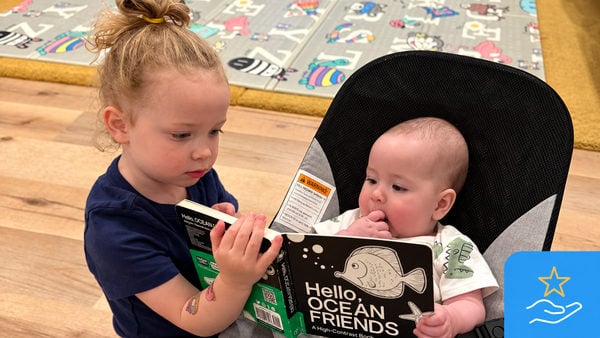
Family Tip Sheet: Using the Bilingual Stories Bookshelf App
A tip sheet families can use to get the most from the Bilingual Stories Bookshelf app, with five simple, interactive ways to share signed stories with their young child.
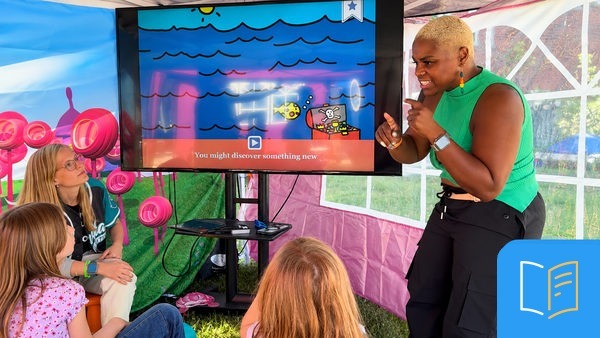
Bilingual Stories Bookshelf App Tip Sheet
A tip sheet families can use to get the most from the Bilingual Stories Bookshelf App, moving between watching a story in ASL, reading the text, and practicing new signs together.
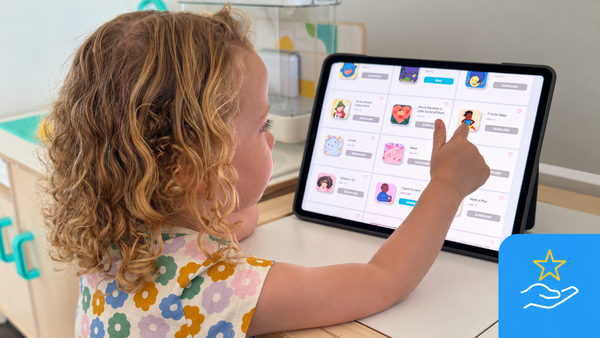
Family Learning Administrator Checklist
A checklist early intervention administrators use to make sure family learning materials, scheduling, events, and Deaf community connections are accessible and consistent.
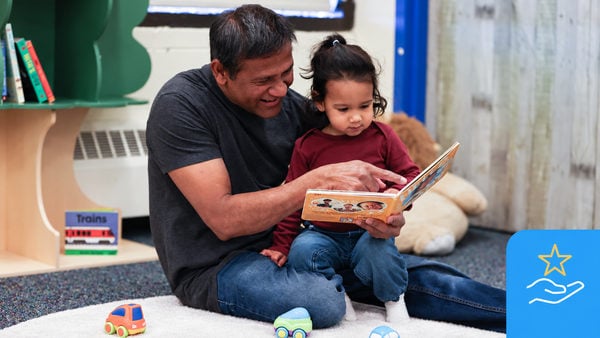
Family Learning Provider Checklist
A checklist early intervention providers use to build caregiver knowledge, confidence, communication access, and connections for families of Deaf and hard of hearing infants and toddlers.
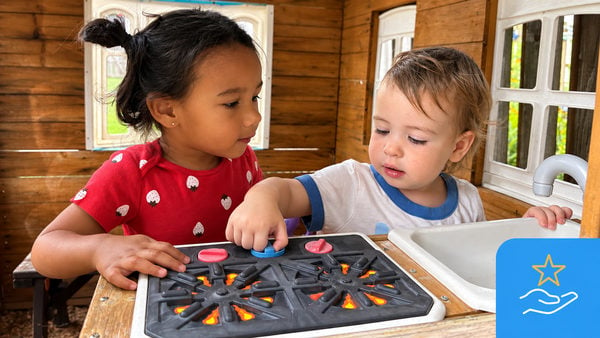
Family Learning Research List
A reading list you can use to ground family-learning decisions in evidence, covering early ASL access, Deaf mentorship, and family-centered early intervention.
Home-Based Services Research List (Birth to Three)
A research list you can use to ground home-based early intervention decisions in evidence, gathering studies on family-centered services, caregiver coaching, and early ASL access.
Family Learning Tip Sheet for Birth-to-Three
A tip sheet families can use to put family learning into practice: ASL, book sharing, play, and everyday routines that support their Deaf or hard of hearing child's language and connection.
Home-Based Services Administrator Checklist
A checklist administrators use to strengthen the systems behind home visits, from scheduling and provider safety to documentation, coaching, and family feedback.
Home-Based Services Provider Checklist
A checklist providers use to reflect on home visits: building language into routines, coaching caregivers, connecting families with Deaf adults, and documenting progress.
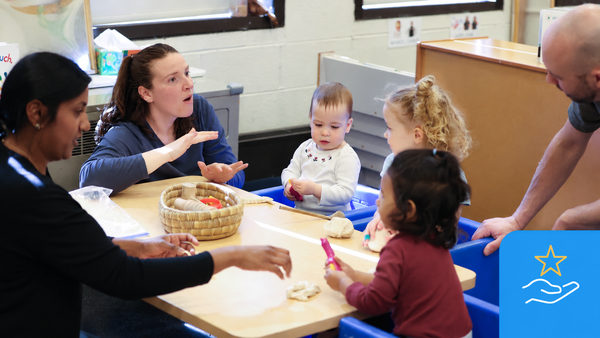
Center-Based Environment Administrator Checklist
A checklist administrators use to set up center-based playgroups that are visually accessible, bilingual, and family-centered, covering compliance, staffing, room design, and family engagement.
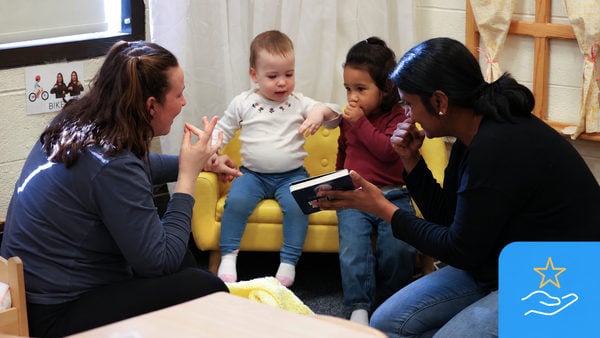
Center-Based Environment Tip Sheet: 5 Essentials
A tip sheet programs use to shape strong center-based playgroups, laying out five essentials: an accessible environment, prepared staff, family engagement, community ties, and quality leadership.
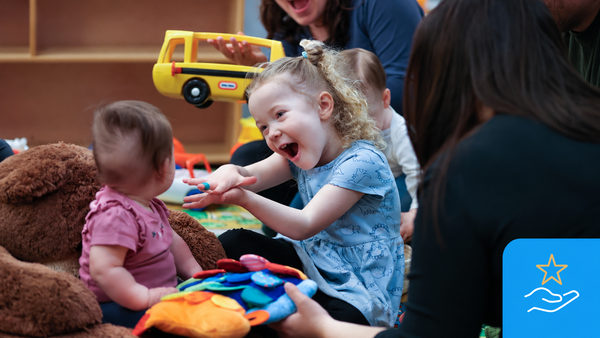
Center-Based Environment Research List
A research list you can use to ground center-based playgroup services in evidence, gathering studies on family-centered early intervention, parent confidence, and bilingual language support.

Program Leadership Research List
A research list leaders can use to ground program decisions in evidence on governance, a Deaf-affirming vision, family advisory roles, and data-informed staffing.
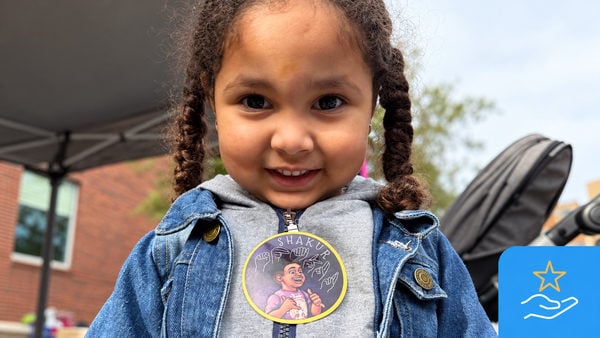
Program Identity Research List
A research list you can use to ground a program's Deaf-centered identity in evidence, gathering studies on Bilingual values, Deaf role models, and consistent messaging to families.
Program Identity Administrator Checklist
A checklist administrators use to make a program's Deaf-centered values visible across services, messaging, and family partnerships, and to keep improving through family and staff feedback.
Program Identity Provider Checklist
A checklist providers use to help families experience a program's Deaf-centered values, from explaining the language approach to connecting families to Deaf culture.
Program Identity Tip Sheet
A tip sheet you can use to understand what program identity means, why a clear one matters for families, and what a strong, Deaf-centered program identity looks like in practice.
Language Use Administrator Checklist (Birth to Three)
A checklist administrators use to keep language development and access central to services, from a clear language philosophy to staff ASL growth, Deaf language models, and multilingual supports.
Language Use in Birth to Three Provider Checklist
A checklist providers use to support language during everyday routines: modeling ASL and communication strategies, coaching families, and respecting each family's language and culture.
Tele-Practice Administrator Checklist (Birth to Three)
A checklist administrators use to run secure, accessible Tele-Practice, the delivery of early intervention by video, covering platforms, coaching, documentation, follow-through, and backup plans.

Tele-Practice Provider Checklist (Birth to Three)
A checklist providers use to deliver Tele-Practice well, early intervention by video, from secure setup and clear ASL visibility to coaching, documentation, and family follow-through.
Tele-Practice Tip Sheet: 5 Essentials
A tip sheet programs use to strengthen Tele-Practice with five essentials: accessible technology, coaching-centered visits, documentation, clear takeaways, and coordination.
Tele-Practice Research List for EI
A reading list you can use to make the evidence-based case for Tele-Practice, early intervention delivered by video visit, showing it expands access and matches in-person results.
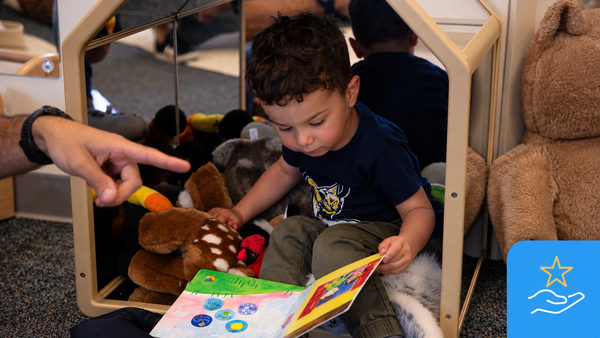
Interdisciplinary Collaboration Administrator Checklist
A checklist administrators use to coordinate medical, early intervention, education, and Deaf community partners through shared messaging, formal agreements, and family and Deaf-adult voice.
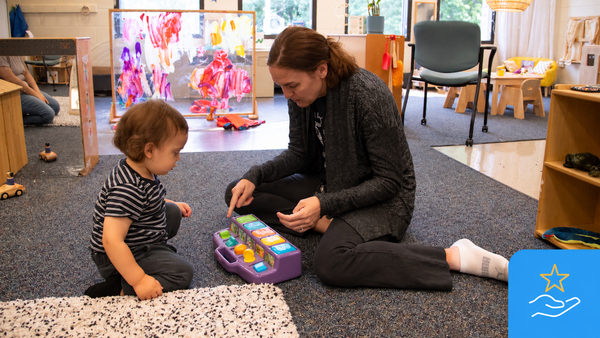
Interdisciplinary Collaboration Provider Checklist
A checklist providers use to collaborate across home and center-based services: sharing observations, keeping messaging consistent, coaching families, and connecting them to the Deaf community.
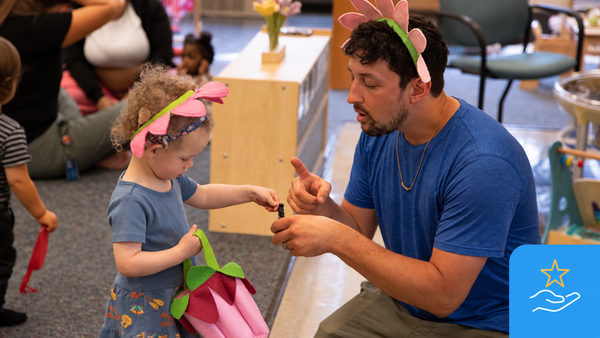
Interdisciplinary Collaboration Tip Sheet: 5 Essentials
A tip sheet programs use to strengthen collaboration across early intervention, medical, education, and Deaf community partners, from shared messaging to coordinated services.
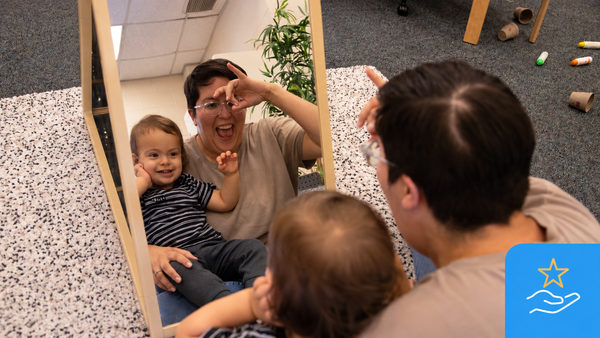
Interdisciplinary Collaboration Research List
A research list you can use to ground coordinated early intervention in evidence, gathering studies on collaboration across medical, education, audiology, and Deaf community systems.

Home-Based Services Tip Sheet
A tip sheet you can use to understand home-based early intervention: why it helps, what strong services look like, and how professionals can support families right in their homes.
Deaf and Hard of Hearing Adults to Families Research List
A research list you can use to show the value of involving Deaf and hard of hearing adults as mentors and role models in family support, with evidence on language, confidence, and identity.
Program Leadership Administrator Checklist
A checklist administrators use to lead birth-to-three programs with a clear Bilingual, Deaf-affirming vision, covering direction, language access, policies, data, and shared decision-making.
Program Leadership Provider Checklist for Birth-to-Three
A self-check providers use to reflect on how they support the program's vision through family-centered, language-rich services and continuous improvement.
Program Leadership Tip Sheet for Birth-to-Three
A tip sheet leaders use to build early intervention programs with a clear vision, strong family partnerships, and services that support language access.
Program Operations Administrator Checklist for Birth-to-Three
A self-check administrators use to review the staffing, funding, policies, and data systems that keep early intervention services consistent and high quality.
Program Operations Research Highlights (Reading List)
A reading list administrators use to ground program decisions in evidence on qualified staff, collaboration, and data-informed early intervention services.
Additional Disabilities Administrator Checklist (Birth-to-Three)
A self-check administrators use to ensure services for Deaf and hard of hearing children with additional disabilities stay coordinated, individualized, and family-centered.
Additional Disabilities Provider Checklist (Birth-to-Three)
A self-check providers use to support Deaf and hard of hearing children with additional disabilities through individualized planning, accessible communication, and family coaching.
Additional Disabilities Program Tip Sheet (Birth-to-Three)
A tip sheet programs use to shape individualized, family-centered services for Deaf and hard of hearing children with additional disabilities.
Additional Disabilities Research Highlights (Reading List)
A reading list professionals use to ground services for Deaf and hard of hearing children with additional disabilities in evidence on communication, planning, and collaboration.
Language 360: Everyday Language Moments Tip Sheet
A tip sheet families use to build their child's language during daily routines, play, and shared attention, with a simple example for each moment.
Giving Name Signs Family Tip Sheet
A tip sheet families use to understand name signs: what they mean, the Deaf cultural traditions around them, and how they support a child's identity and belonging.
Real Start with Language: Research Highlights
A reading list professionals and families use to ground early language decisions in evidence that consistent, accessible language from birth supports development.

Language Strategies: Summer Fun Family Tip Sheet
A tip sheet families use to turn summer routines and play into language-building moments for their Deaf or hard of hearing child, with an example for each strategy.
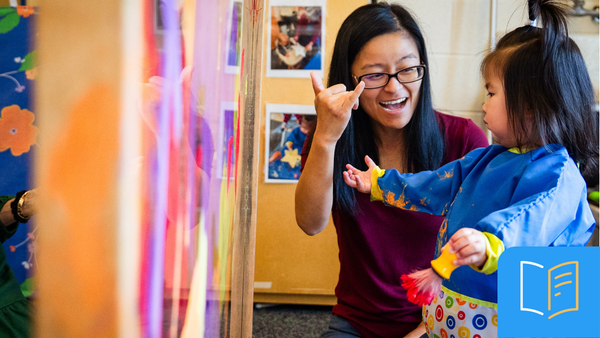
Language Acquisition and Language Learning: Family Checklist
This family checklist provides practical actions families can use to support language development through meaningful interaction, early access, and everyday use of sign language and print.

What You Don’t Know Can Hurt You: The Risk of Language Deprivation for Deaf Children
The claim that sign language interferes with spoken language is unsupported. This commentary examines what research shows about language deprivation and its lifelong impact.

Sign Language Use for Deaf, Hard of Hearing and Hearing Babies
Sign language benefits all babies, with no risk to other language development. This summary explains how early signing supports communication, cognition, and long-term success.

The Power of 'And' in Deaf Education: Language and the Brain at Home
An infographic on how home shapes deaf children's development: accessible communication, avoiding dinner table syndrome, parents learning sign language, and family connection.
Through Your Child's Eyes: American Sign Language
This video shows how American Sign Language supports communication, bonding, and cognitive development for deaf and hard of hearing infants from the very beginning of life.
A Través de los Ojos de su Hijo: Lenguaje Americano de Signos
Este video muestra cómo el Lenguaje Americano de Signos (ASL) apoya la comunicación, el vínculo afectivo y el desarrollo cognitivo de bebés sordos e hipoacúsicos.
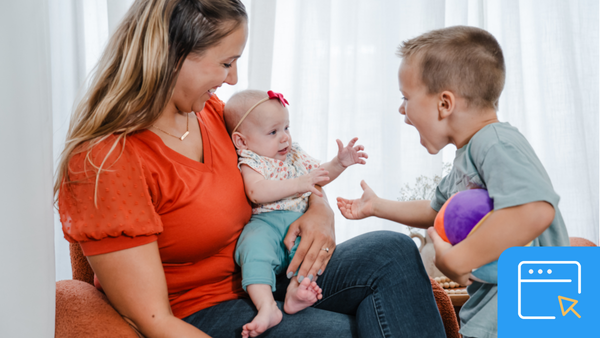
Top 10 Signs
Early sign language benefits all children. Top 10 Signs introduces families to ten everyday signs with illustrations and Deaf-led videos, a fun way to start signing at home.
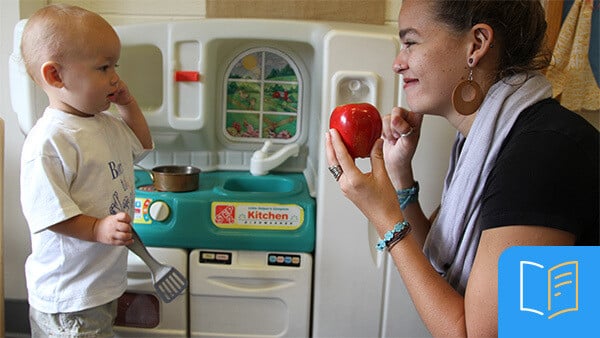
Principles & Guidelines for Early Hearing Detection and Intervention Programs
Explore core principles and takeaways from the Journal of Early Hearing Detection and Intervention's study of current programs.
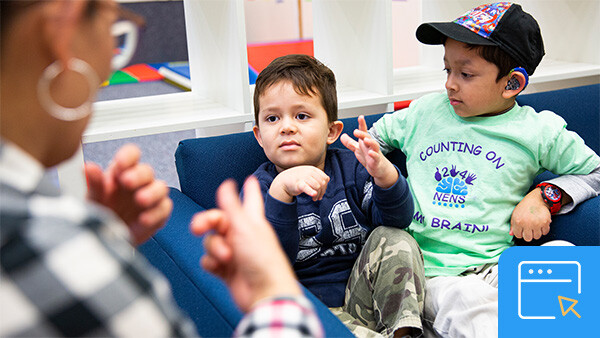
Language Development Milestones
Access the California Department of Education's Parent Profile, which is designed to help you track your child's language growth.
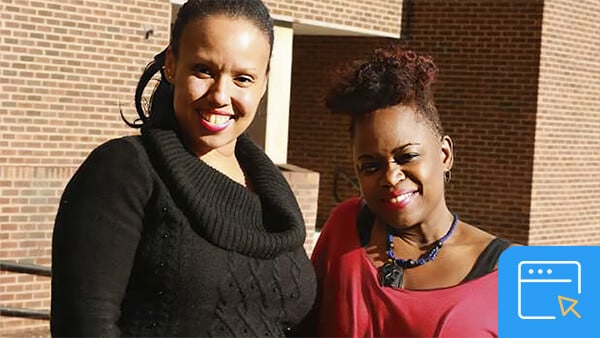
With Strong Roots, Children Soar
Read Barbara Hunt's Odyssey essay on how understanding a parent's perception of their child's disability should shape educational planning and rehabilitation approaches.

VL2 Storybook Application
Your child will love these captivating stories presented in both American Sign Language and English!
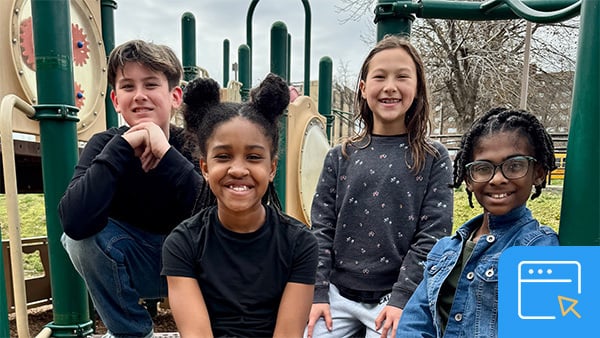
Hands Land: The Power of Language Play
A Deaf-led nonprofit that promotes early signed language development, using play-based approaches to empower families, educators, and children.
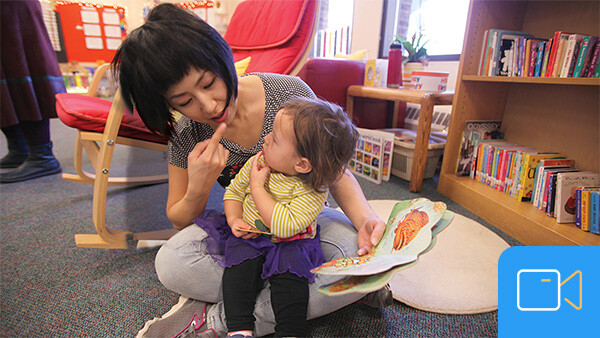
Maximizing Language Acquisition
This webcast provides an evidence-based rationale for supporting language acquisition in both American Sign Language (ASL) and spoken English for young children who are deaf or hard of hearing.

IDEAL ASL & English Language Milestones
Explore the ideal ASL and English language developmental milestones for newborns to 11-year-olds.

Parent Advocacy Resources
Visit the Clerc Center's Parent Advocacy website, which contains helpful resources and toolkits for parents navigating IEP meetings, 504 meetings, and more!

Individualized Family Service Plan
Learn tips for developing an Individualized Family Services Plan from our partners at the National Association of the Deaf.

Language Through the Eye and the Ear
Watch a research-based webcast that addresses how deaf and hard of hearing babies acquire language and why one should sign with babies as early as possible.
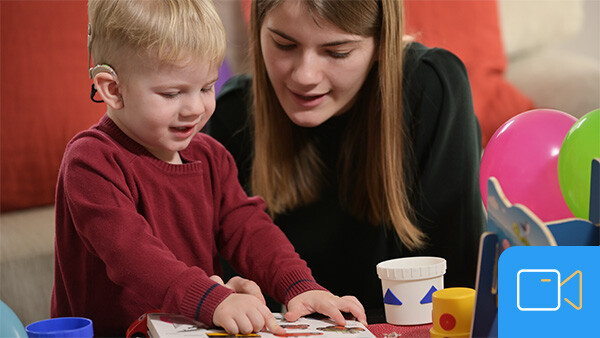
Language Through the Eye and Ear – Part II
Watch Part II of the Clerc Center's webcast designed to increase knowledge among early interventionists.
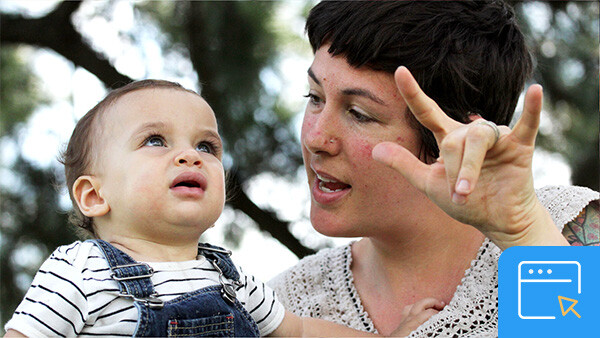
Advantages of Early Visual Language
This research brief from Gallaudet's prestigious VL2 lab explains why the brain is most receptive to language acquisition during "sensitive periods" – early in a child's development.

Cochlear Implant Research
This research brief from Gallaudet's prestigious VL2 lab explains why bilingual education and learning American Sign Language is necessary for children with cochlear implants.

Benefits of Bilingualism
This research brief from Gallaudet's prestigious VL2 lab presents findings that bilingual children achieve language milestones at similar ages to monolingual children without delay or confusion.
The NCHAM E-book
The NCHAM EHDI eBook covers newborn hearing screening, diagnostics, early intervention, and family support, with best practices to improve outcomes for deaf children.

AAP's EHDI Resource Page
AAP resources on early hearing screening and family-centered intervention that recognize ASL as a complete, accessible language for deaf and hard of hearing children.

Empowering Parents & Caregivers: Supporting Families with ASL at Home
Learn how the 'ASL at Home' curriculum helps families build communication and confidence with their deaf children.
Deaf Role Models
Inside the nation’s only ASL-English dual immersion program: how kids learn and thrive together.

Looking Back: A Deaf Woman Extolls the Importance of Family in Language Access
A touching memoir about the power of parental advocacy and early sign language exposure in a Deaf woman's life journey.

Odyssey 2011: Early Intervention & Outreach
Explore how outreach and early intervention programs nationwide are empowering families, improving services, and building strong foundations for deaf and hard of hearing children.