Home-Based Services Administrator Checklist
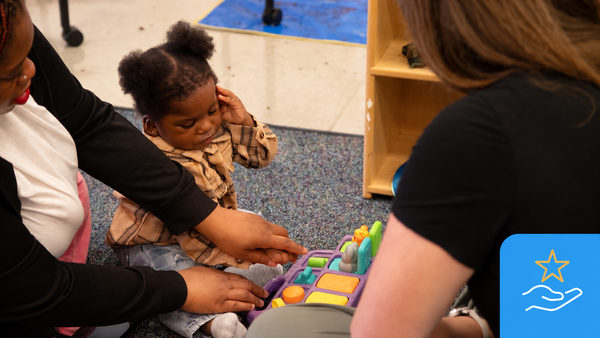
Home-based services bring early intervention into a family's home and daily routines. Administrators use this checklist to build the systems that keep those services strong and consistent. It walks through scheduling and travel, home-visit safety and provider well-being, and documentation that reflects family routines and each child's IFSP, the Individualized Family Service Plan, which is the written plan of goals and supports for the child and family. It also prompts you to review coaching quality, family connections to Deaf adults, progress monitoring, and family feedback so the program keeps improving.