
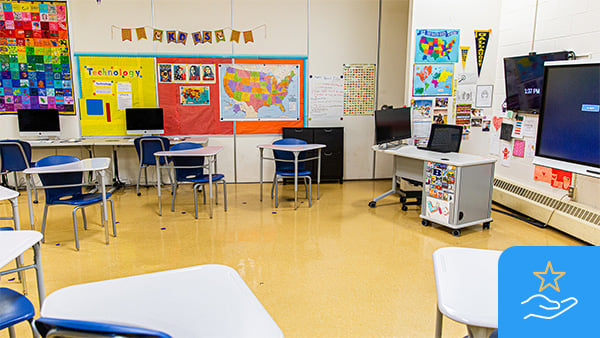
Classroom Environment Administrator Walkthrough Checklist
A walkthrough tool administrators use to observe whether classrooms give deaf and hard of hearing students clear visual access, real ASL and English use, Deaf culture, and an inclusive climate.

Classroom Environment Teacher Checklist
A self-check teachers use to build a classroom with clear visual access, real ASL and English use, Deaf culture, a rich library, and a safe, inclusive climate for deaf and hard of hearing students.

Classroom Environment Leadership Guide
A guide leaders use to spot schoolwide patterns and choose next steps for classroom environments, with recommendations matched to how far along a program is.

Classroom Environment Overview Tip Sheet
A tip sheet teachers use to understand the five parts of a strong ASL/English bilingual classroom and treat the room itself as a learning tool for deaf and hard of hearing students.
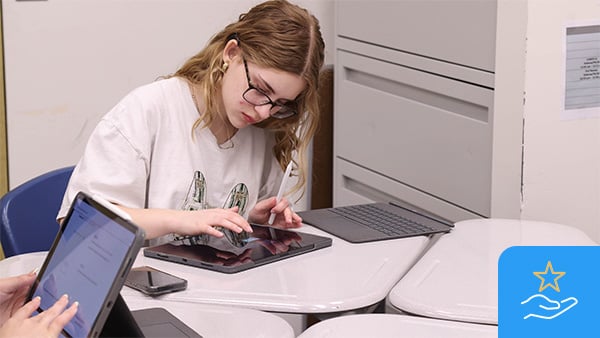
Instruction and Assessment Overview Tip Sheet
A tip sheet teams use as a quick reference for what strong ASL/English bilingual teaching and assessment look like across content areas and school settings.

Instruction and Assessment Teacher Checklist
A self-check teachers use to reflect on their ASL/English bilingual instruction, differentiation, assessment, data use, and professional growth.
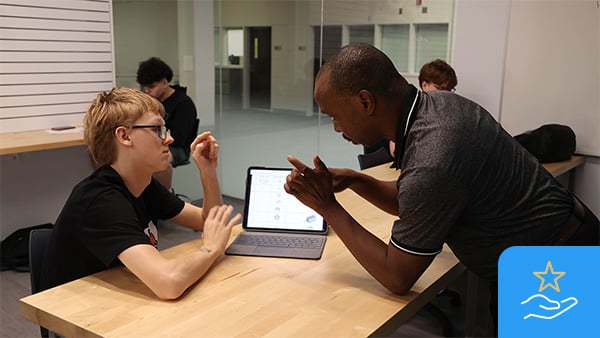
Instruction and Assessment Administrator Checklist
A flexible checklist administrators use for quick walkthroughs and coaching talks on ASL/English bilingual instruction, differentiation, assessment, and data use.

Instruction and Assessment Leadership Guide
A guide leaders use to see schoolwide patterns in ASL/English bilingual teaching and testing, then plan the coaching and professional learning that lift instruction for every learner.
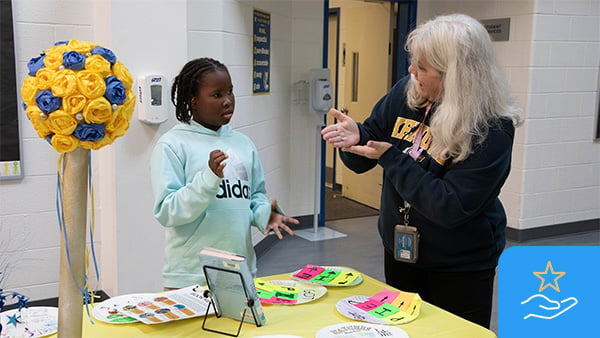
Deaf-Centered Practice Overview Tip Sheet
A tip sheet for spotting the marks of a school's Deaf-centered identity: Deaf role models, ASL, Deaf culture, community ties, and student leadership. Use it as a quick reference.

Program Identity: Deaf-Centered Practice Teacher Checklist
A self-check teachers use to bring Deaf-centered practice into daily lessons: Deaf role models, Deaf culture, ASL as a full language, community, and student leadership.
Program Identity Leadership Guide
A guide school leaders can use to strengthen their program's Deaf-centered identity, its Deaf role models, ASL use, and Deaf culture, with next steps for each stage of growth.

Program Identity Overview Tip Sheet for Deaf-Centered Schools
A tip sheet teams use to see what a strong Deaf-centered school identity looks like, from Deaf role models to ASL across the building to Deaf culture woven into daily life.

Family Involvement Administrator Checklist
A leadership checklist administrators use to monitor family partnership across the school: ASL classes, family empowerment, accessible communication, and home-school collaboration.

Family Involvement Overview Tip Sheet for Schools
A tip sheet teams use to see what strong family partnership looks like, from accessible communication and ASL classes to meaningful engagement and shared decision-making.

Family Involvement Teacher Self-Check Checklist
A self-check teachers use to reflect on how they support families' ASL learning and keep home-school communication proactive, accessible, and two-way.