.png?width=250&height=46&name=ClercCenter-HColor%20(2).png)
Classroom Environment Research List
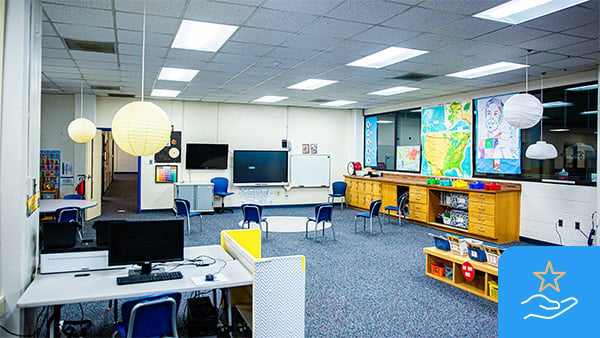
Use this reading list to ground your classroom-environment choices in research rather than opinion. It gathers studies and trusted sources on how visual access, intentional ASL and English instruction, culturally sustaining practice, and literacy-rich spaces support Deaf and hard of hearing learners. It also points to resources like DeafSpace design guidelines and national position statements on Bilingual education. Use it when you build the case for a change, plan professional learning, or want evidence to share with staff and families.