.png?width=250&height=46&name=ClercCenter-HColor%20(2).png)
Deaf-Centered Practice Overview Tip Sheet
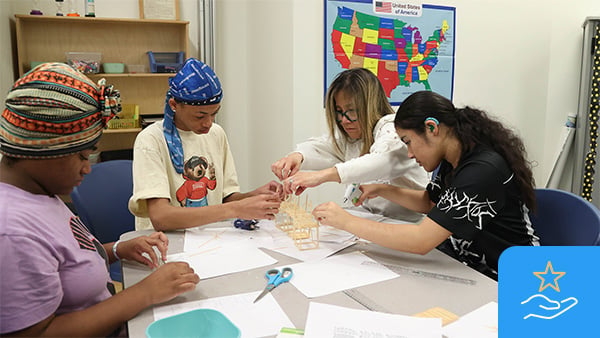
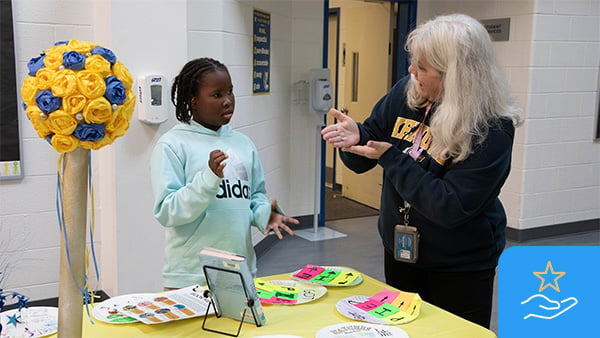
A school's program identity is its Deaf-centered character: how well it affirms who deaf and hard of hearing students are. It isn't built in a single lesson but grows over time through representation, language access, relationships, and real participation in the Deaf community. Strong programs make sure students regularly see Deaf adults in visible, meaningful roles, and that Deaf culture and history appear across hallways, assemblies, and schoolwide events. ASL is recognized and used as a full language throughout the building, students are connected to the wider Deaf community, and they have genuine chances to lead and advocate. Use this tip sheet as a quick reference for what strong program identity looks like.
-2.png)