Deaf Printers Pages
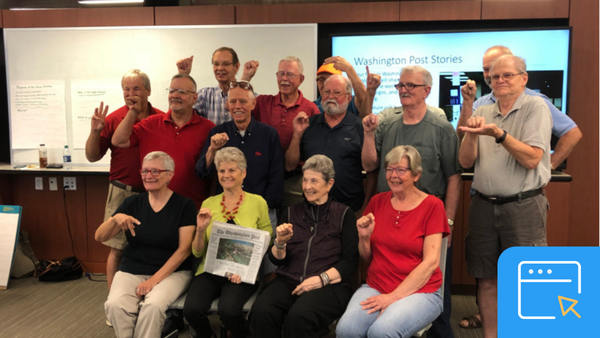
For generations, Deaf Americans built careers in the printing trade at local and national newspapers, where composing rooms became rare, organically accessible spaces where Deaf and hearing colleagues worked side by side. This collaborative project — developed with Deaf retirees from The Washington Post — documents that now-vanishing chapter of Deaf labor history. Through personal stories, community-specific signs, and cultural memory, the site preserves what might otherwise be lost. A rich primary source for anyone interested in Deaf history, Deaf workplace culture, and the communities that formed around shared work.