.png?width=250&height=46&name=ClercCenter-HColor%20(2).png)
Signs, Graphemes, Books, Writing and Lots of Joy: Embracing Bilingualism with Preschoolers
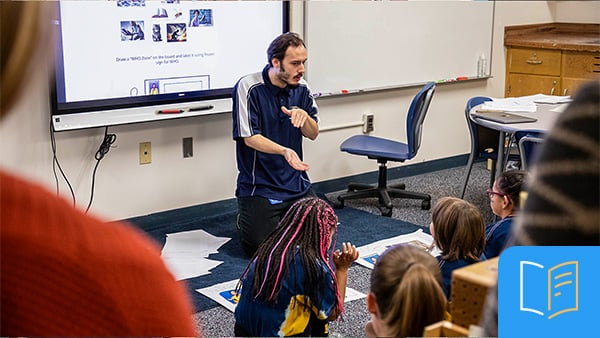
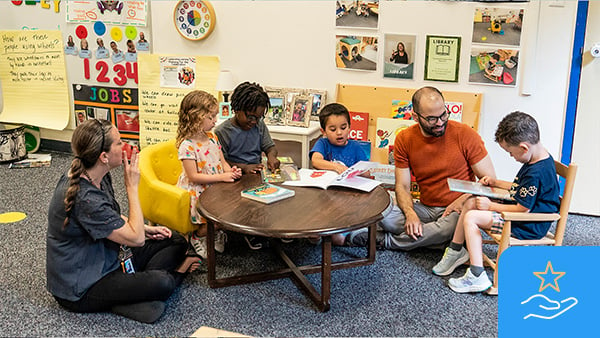
This article highlights a preschool classroom where ASL graphemes, color-coded visuals, and fingerspelling support bilingual literacy. Students learn to transition from ASL to English through joyful, structured activities that connect print, sign, and meaning in meaningful ways.
-1.png)