Language Use Administrator Checklist
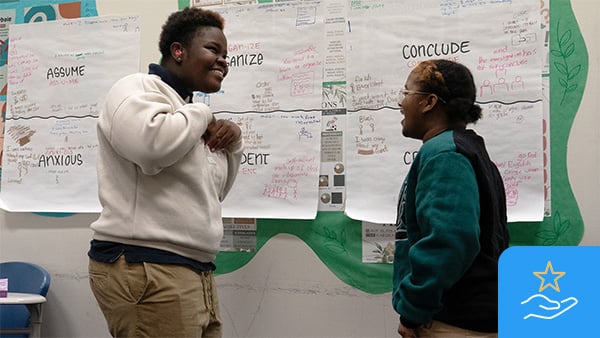
Use this checklist to monitor how intentionally your school carries out ASL/English bilingual practice. It walks you through the systems that make bilingual practice consistent: a documented language plan that staff know and follow, balanced use of both languages in every setting, staff who model fluent ASL and adjust to each student, embedded visual supports such as anchor charts (posted visuals that map out a concept), regular use of language data, and bilingual teaching strategies used on purpose. A quick set of walkthrough questions helps you judge what you see. Use it to name strengths and target coaching across the program.