.png?width=250&height=46&name=ClercCenter-HColor%20(2).png)
Accessible Required Trainings Checklist (ASL/English)
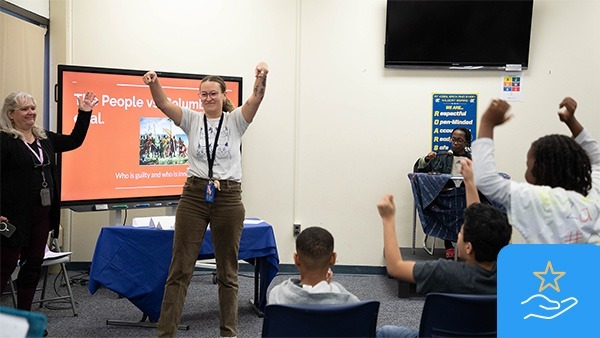
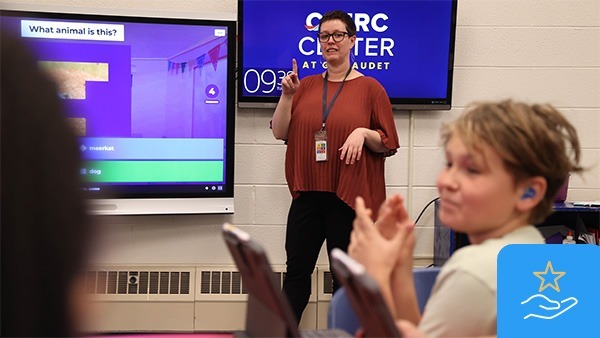
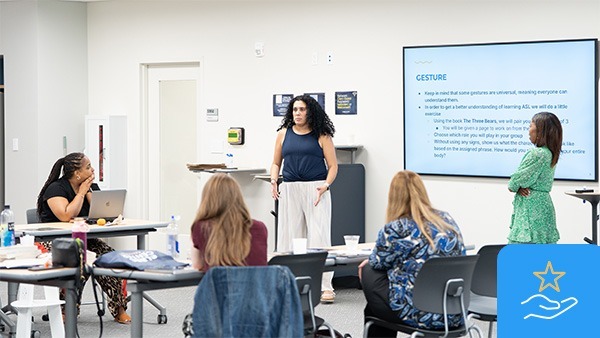
Use this checklist as a quick reference for making required staff trainings accessible from start to finish. It covers four stages: designing for accessibility from the beginning, including budgeting for interpreters, captioning, and translation and planning sightlines and seating; delivering training in the languages your community uses, ideally directly in ASL, with qualified interpreters and visual supports; aligning content linguistically and culturally, such as using visual rather than sound-based examples; and evaluating understanding through feedback and pre- and post-tests. Use it when planning any required training so every staff member gets equal access.