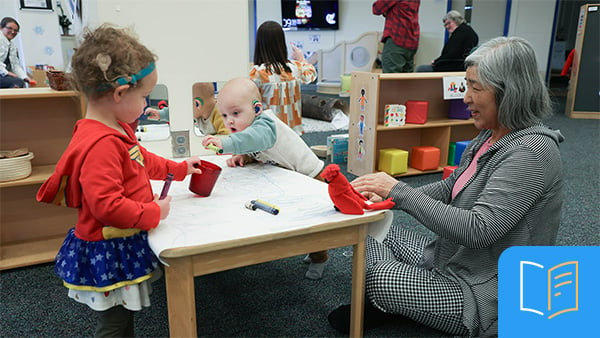
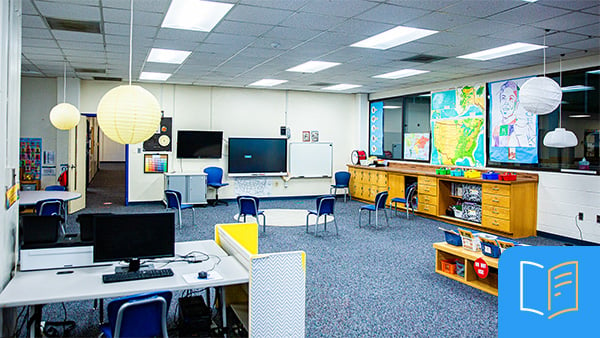
Visual tools—from diagrams and maps to infographics and ASL vlogs—can boost comprehension and creativity for deaf and hard of hearing students. This article explores how visual strategies support instruction, foster critical thinking, and improve access in K-12 and higher education settings.
Because of your selected audience type, you may also enjoy the following related resources.
A checklist early childhood teachers use to prepare a Pre-K and kindergarten library that supports ASL and English, identity, and joyful book sharing.
A tip sheet teachers use to understand the five parts of a strong ASL/English bilingual classroom and treat the room itself as a learning tool for deaf and hard of hearing students.
A checklist elementary teachers use to review a Grades 1-5 library that supports ASL and English reading, deaf and hard of hearing identity, and books children actually use.