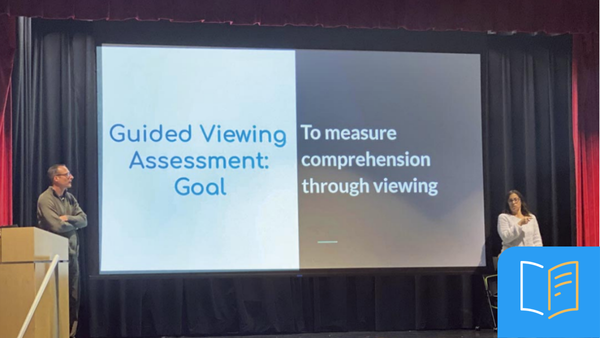
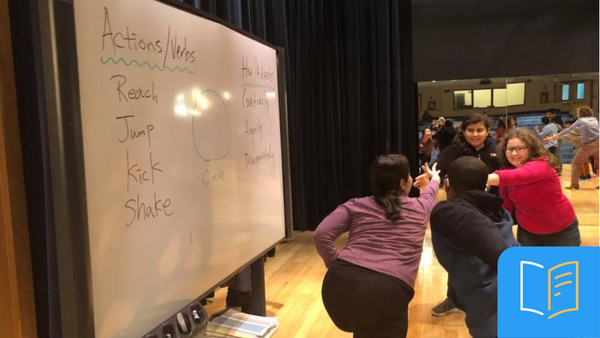
This interdisciplinary collaboration uses creative dance to support grammar and literacy development in Deaf students. Through kinesthetic learning and shared reading, students build language skills while engaging in expressive movement.
Because of your selected audience type, you may also enjoy the following related resources.
Backed by research, this article shows how early ASL exposure supports literacy and cognitive development in deaf children.
A checklist teachers use to plan and reflect on chaining, a strategy that links a concept across ASL, fingerspelling, print, and visuals to build deep, connected understanding.
A checklist for grades 6-8 teachers to help students compare how ASL and English structure ideas and translate meaning, not word for word, as academic language grows more complex.