This article breaks down how UDL principles can be used to support deaf and hard of hearing students through flexible lesson planning, visual access, and collaborative strategies. Tools, templates, and real-world applications empower educators to build equity from the start.
Because of your selected audience type, you may also enjoy the following related resources.
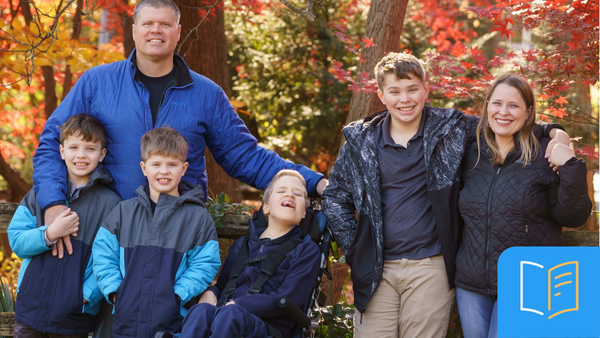
Follow one family's story of resilience and adaptation during COVID-19, and how technology reshaped education for their deaf and deafdisabled children.
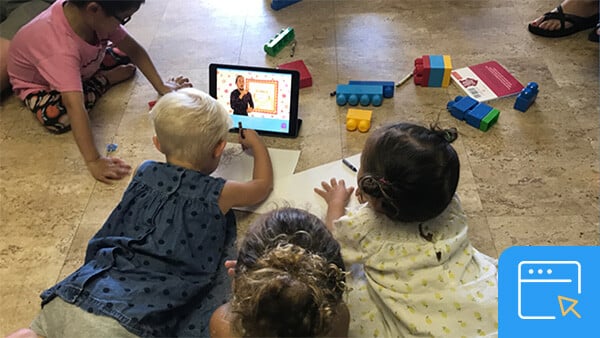
The Motion Light Lab is home to a global digital library of bilingual storybooks, ASL literacy initiatives, and immersive 2D, 3D, VR, and augmented reality experiences for deaf children.
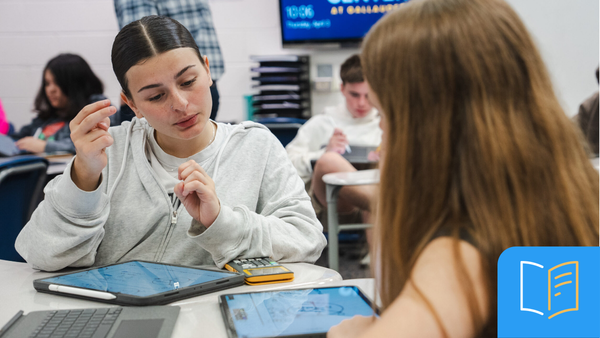
A lesson that introduces students to AI as a learning tool, setting clear expectations for responsible use while keeping student thinking and ownership at the center.