.png?width=250&height=46&name=ClercCenter-HColor%20(2).png)
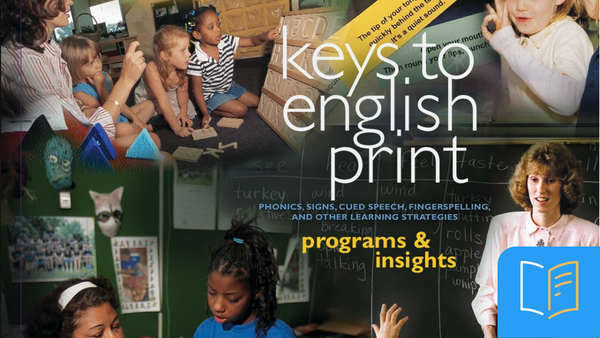
Odyssey 2003 (Fall): Keys to English Print: Phonics, Signs, Cued Speech, Fingerspelling, and Other Learning Strategies - Programs & Insights
In this issue, educators and advocates reflect on school reform, high standards, and culturally responsive practices in deaf education. Through practical models and bold ideas, this issue addresses instructional equity and celebrates approaches that empower both students and teachers.

-1.png)