Odyssey 2000 (Spring): Deaf ESL Students
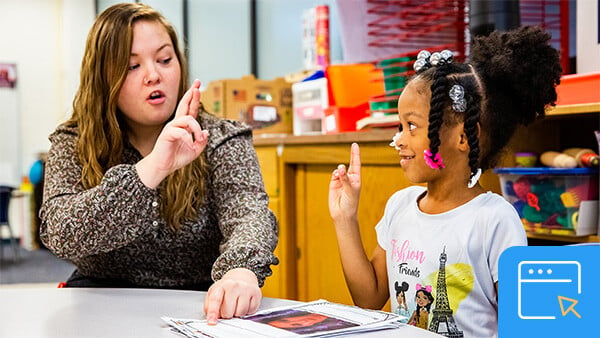
This issue explores the experiences of deaf and hard of hearing students learning English alongside other languages. It features instructional practices such as guided reading, dialogue journals, and writers’ workshops, showing how teachers adapt for visual learners. Student and family stories highlight challenges of cultural and linguistic transitions as well as strengths brought to classrooms. Educators stress honoring home languages, supporting literacy across modes, and fostering connections among students, families, and schools to build communication and academic success.