.png?width=250&height=46&name=ClercCenter-HColor%20(2).png)
Classroom Interpreting: A Guide for Students
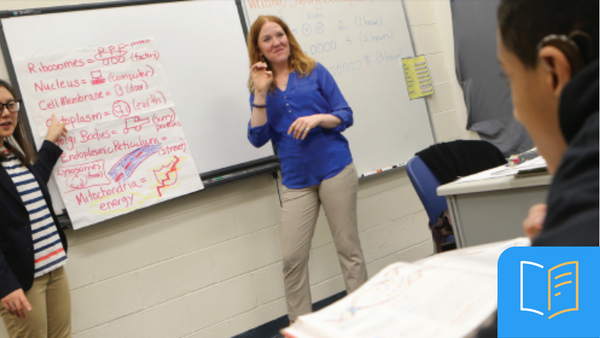
This guide outlines the specialized role of educational interpreters working with students who use cochlear implants. It emphasizes collaboration with the educational team, adapting to diverse communication needs, and using differentiated strategies that support both spoken and visual language access. Interpreters are encouraged to consider the student’s evolving abilities, foster independence, and ensure meaningful participation in both academic and social settings.
-4.png)

-3.png)