Home Environment Setup Checklist for Families (0-3)
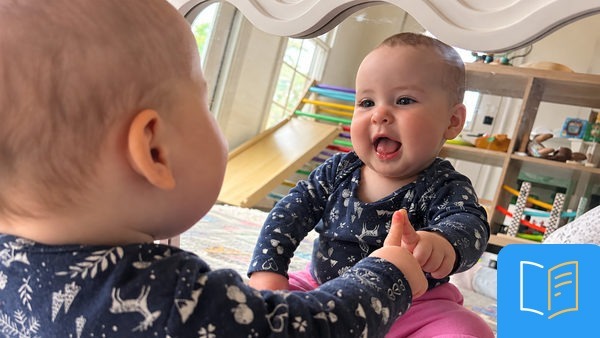
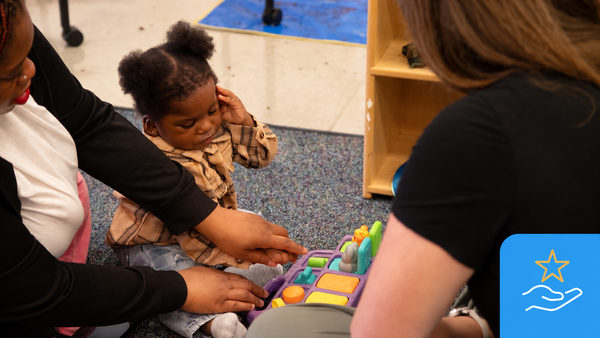
A home that supports language is less about equipment and more about visual access, consistency, safety, and connection. Use this checklist to set up your home for a Deaf or hard of hearing child from birth to three. It covers lighting and clear sightlines so faces and hands are easy to see, getting your child's attention before you communicate, consistently using the same signs and words across daily routines, and adding visual or vibrating alerts for doorbells and alarms. It also prompts predictable routines and face-to-face play. Use it to help your child fully engage and thrive every day.