Student Life Programming Administrator Checklist
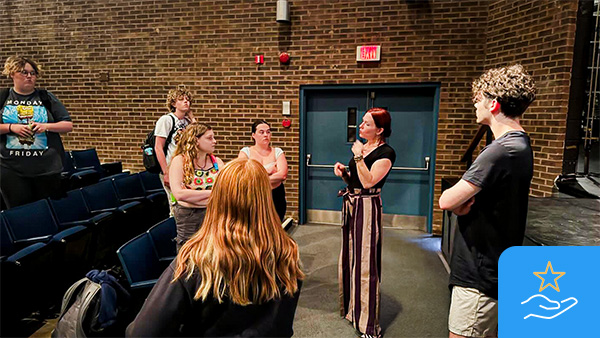
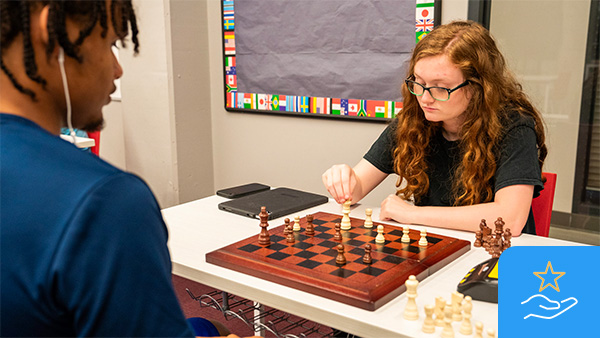
Student life programming includes the clubs, recreation, arts, leadership, and career activities students take part in beyond core academics. Use this checklist to review how well those programs serve deaf and hard of hearing students. It prompts you to look at whether students have real choices, whether activities connect to their interests and future goals like independent living and careers, whether programs are planned intentionally rather than just filling time, and whether students help shape and lead them. Use what you find to name strengths, close gaps, and plan next steps.