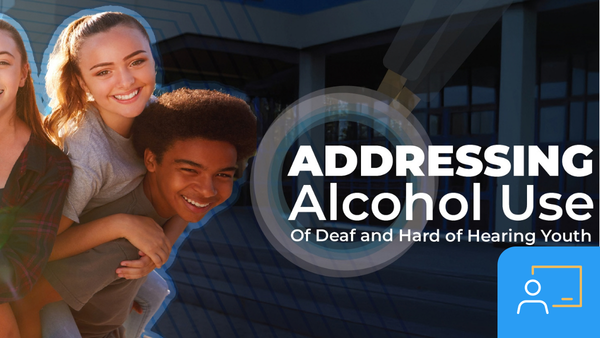
Explore key considerations for preventing and addressing alcohol use among deaf and hard of hearing youth. This session highlights risk factors, protective strategies, and culturally responsive approaches for educators, families, and service providers. Learn how language access, social connections, and informed support can strengthen prevention efforts and promote healthy decision-making for DHH adolescents.
Because of your selected audience type, you may also enjoy the following related resources.
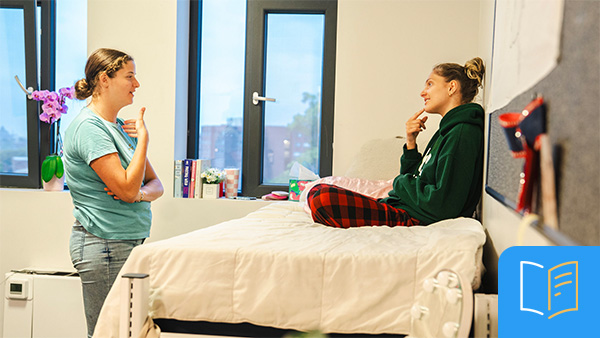
A checklist residential staff use to set up a dorm that is ASL/English bilingual, accessible, and welcoming, covering ASL and English access, the dorm library, and a home-like, safe space.
A professional network building stronger student life programs for deaf and hard of hearing college students across the country.
A reading list educators can use to ground student life programming in evidence on identity, social engagement, school setting, and belonging for deaf and hard of hearing students.