This guide highlights the unique role of educational interpreters as part of the learning team. It covers professional qualifications, preparation, fostering student independence, and ethical responsibilities, ensuring interpreters provide accurate, effective access to education.
Because of your selected audience type, you may also enjoy the following related resources.
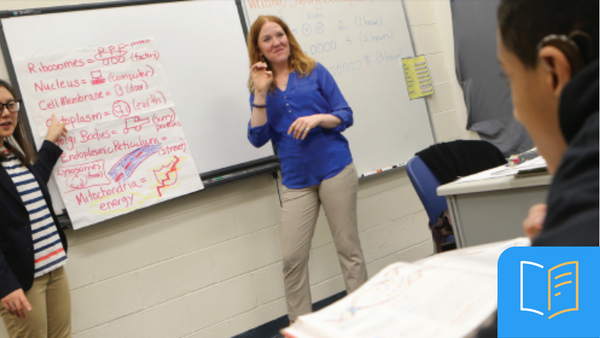
Practical tips for teachers to work with interpreters and support students who are deaf or hard of hearing in inclusive classrooms.
Learn how to effectively oversee interpreted classrooms and ensure students who are deaf or hard of hearing have full access to communication and learning.
National Association of Interpreters in Education supports interpreters working in K–12 educational settings. The organization advances effective practice by developing professional standards, providing resources and support for interpreters, and promoting ethical practice to meet the diverse needs of deaf and hard of hearing students.